






The Rise of the Anti-Bucket List
For decades, the travel playbook was simple: pick a famous landmark, book a flight, and jostle for the same photo everyone else has. The Eiffel Tower, the Colosseum, Times Square—these were the gold standards of a life well-traveled. But a growing weariness
with 'overtourism' is fueling a significant shift. Travelers are becoming disillusioned with destinations loved to death, where the reality on the ground is less about cultural immersion and more about crowd management. The post-pandemic world has also recalibrated our priorities. After years of isolation, many are seeking genuine connection and mental restoration, not the frantic pace of a checklist-driven itinerary. The result is a quiet rebellion against the bucket list, where the goal isn't to 'do' a place, but to simply 'be' in it.
What Exactly Is a 'Quiet Trip'?
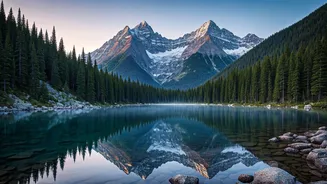
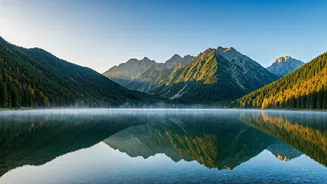
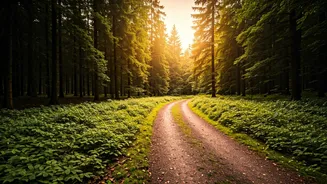
A 'quiet trip' isn't necessarily about total silence (though it can be). It's more of a mindset. It means intentionally choosing destinations and activities that prioritize peace, space, and personal fulfillment over spectacle and social media clout. It’s swapping a week in a major European capital for a stay in a small coastal town two hours away. It's choosing a national park in the off-season or a cabin in a state you've never considered visiting before. This approach centers on 'slow travel'—the idea of moving at a more deliberate pace, connecting with local culture, and minimizing environmental impact. Instead of collecting landmarks, quiet travelers collect moments: the morning coffee on a secluded porch, the unhurried conversation with a local shop owner, or the simple joy of a hike with no one else in sight.
It’s Not Just About Avoiding Crowds
This trend runs deeper than simple annoyance with long lines. It's a direct response to the pressures of our hyper-connected, always-on lives. In a world where every moment feels like it needs to be optimized and performed for an audience, the 'quiet trip' offers a radical alternative: a vacation that doesn't feel like another form of work. It’s about reclaiming leisure time for its original purpose—rest and rejuvenation. Psychologically, these trips allow our brains to switch off the constant stimulus of urban life and digital notifications. Studies on the benefits of nature and silence show they can reduce stress, improve focus, and boost overall well-being. A quiet trip, then, becomes less of an escape from work and more of an investment in your own mental health, a deliberate act of self-care disguised as a vacation.
How to Plan Your Own Quiet Escape
Finding your own slice of tranquility is easier than you think. It just requires a slight change in how you search for and plan your travel.
First, embrace 'destination dupes.' Instead of flocking to the most famous national parks like Zion or Yellowstone, explore less-trafficked gems like North Cascades in Washington or Voyageurs in Minnesota. Love the idea of a charming coastal Italian town? Look at smaller, less-famous villages nearby instead of the main attractions.
Second, become a fan of the 'shoulder season.' This is the time just before or after the peak tourist season. Visiting Europe in April or October, for example, often means pleasant weather with a fraction of the summer crowds and lower prices.
Finally, rethink your search terms. Instead of typing a city name into a booking site, use map-based searches. Zoom in on green spaces, lakes, or coastlines far from major hubs and see what rentals or inns pop up. Searching for experiences ('quiet cabin near a lake,' 'farm stay,' 'dark sky park') instead of destinations can unlock a world of possibilities you never knew existed.