






The High Stakes of a Grand Opening
For decades, the path to opening a café or small restaurant was a high-wire act performed without a net. It involved signing a five- or ten-year commercial lease, securing loans for a six-figure build-out, purchasing thousands of dollars in equipment—from
a high-end espresso machine to industrial ovens—and hiring staff, all before selling a single cup of coffee. The business plan was based on projections, the menu on gut feelings, and the location on a hope and a prayer. Success or failure hinged on whether enough customers would walk through the door in the first few crucial months to cover the massive overhead. This “go big or go home” model is incredibly risky. The food and beverage industry is notoriously difficult, with high failure rates often tied directly to these immense upfront costs and the unforgiving pressure of immediate profitability. A slow first quarter doesn’t just mean a dip in revenue; it can mean the end of the entire dream.
Testing the Waters, One Latte at a Time
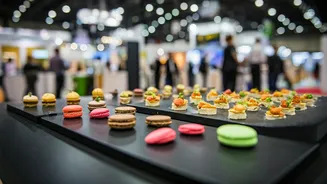
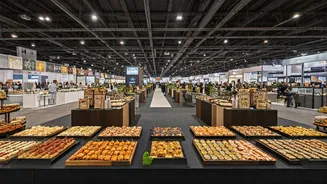
Enter the “rehearsal.” Instead of gambling everything on a permanent space, savvy founders are now using temporary food events as a low-cost, low-risk laboratory. A weekend pop-up in a friend’s boutique, a shared stall at the local farmers’ market, or a multi-week residency in an established restaurant’s kitchen during off-hours—these have become the new proving grounds. This approach transforms a business plan from a static document into a dynamic experiment. Is the signature lavender latte a hit, or does everyone just want a classic flat white? Are the vegan pastries flying off the shelf, justifying a larger investment in that product line? Is the $6 price point for a specialty cold brew met with enthusiasm or hesitation? A pop-up provides immediate, real-world data. It’s market research in its purest form, allowing entrepreneurs to test their core product and pricing strategy with a small, manageable investment before committing to a long-term financial burden.
Building an Audience Before the Doors Open
One of the most powerful advantages of the rehearsal model is the ability to build a dedicated following long before a lease is ever signed. A traditional launch relies on a “Grand Opening” banner to attract strangers. A pop-up strategy, executed over months or even a year, allows a brand to cultivate a community of genuine fans. Each weekend market appearance or event is a chance to connect with customers, collect email addresses, and grow a social media following. By the time the founder is ready to open a brick-and-mortar location, they aren’t hoping for an audience; they’re sending a newsletter to a pre-built list of loyalists who have been following their journey. The grand opening isn’t an introduction; it’s a celebration. The line out the door isn’t a surprise; it’s the direct result of months of grassroots marketing and relationship-building. This built-in customer base provides a crucial financial cushion during the difficult opening months.
Refining the Concept and the Workflow
A successful café is more than just good coffee; it’s a well-oiled operational machine. Food events serve as the perfect environment to work out the kinks. Founders get a real-world education in supply chain management, learning exactly how much milk to order for a weekend rush. They test their workflow under pressure, figuring out the most efficient way to arrange their station to handle a long line of customers. They discover that a menu item that sounds great on paper is a logistical nightmare to prepare quickly. These rehearsals are invaluable for fine-tuning everything from staffing needs to brand identity. The logo, the packaging, the way employees interact with customers—all of it can be tested and perfected in a low-stakes environment. Learning these lessons during a pop-up might cost a few hundred dollars in wasted product. Learning them after opening a permanent location, with staff on the payroll and rent due, can be a fatal business error.