



Beyond the Postcard Paradise
For most American travelers, Goa is a simple, beautiful concept: a stretch of golden sand on the Arabian Sea, a place for yoga retreats, fresh seafood, and bohemian beach parties that last until dawn. It’s India’s capital of coastal leisure, a sun-baked
escape that has drawn wanderers for decades. But from June to September, when the skies open up and the monsoon rains begin their daily deluge, that familiar postcard image is washed away. The tourist crowds thin, beach shacks are boarded up, and a dramatic, emerald-green wilderness reclaims the landscape. This is the “other” Goa, an inland world of saturated jungles, swollen rivers, and a profound, quiet beauty. For those willing to trade a swimsuit for a rain jacket, this season offers not an escape from the weather, but an immersion in it, revealing an adventurous spirit that feels raw, elemental, and refreshingly real.
The Roaring Sea of Milk
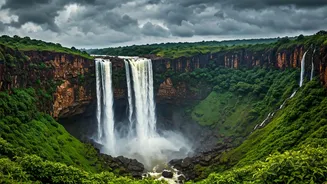
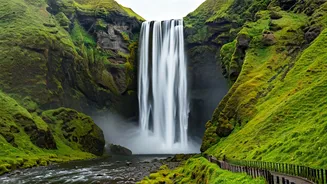
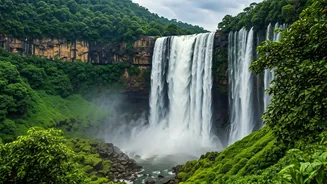
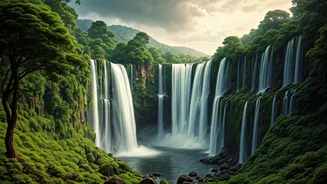
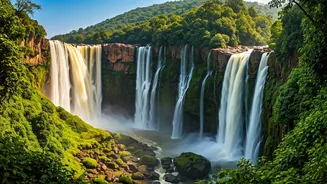
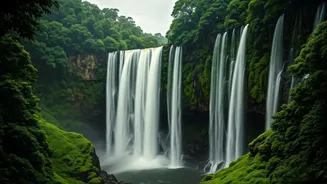
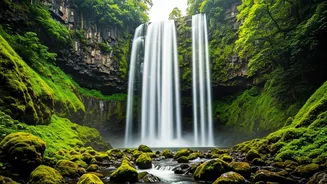
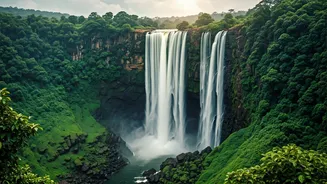
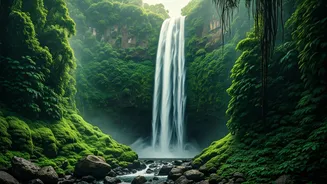
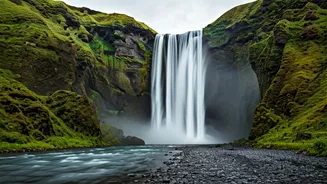
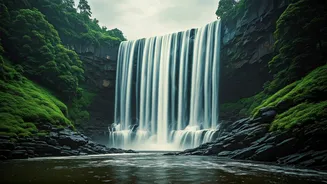
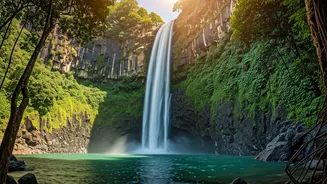
At the heart of this monsoon adventure is Dudhsagar Falls. The name literally translates to “Sea of Milk,” and during the rainy season, it’s easy to see why. Fed by the downpours that saturate the Western Ghats mountains, the Mandovi River transforms into a torrent, plummeting over 1,000 feet down a sheer rock face. It’s not a single, elegant cascade but a multi-tiered behemoth of churning, white water that roars with unimaginable force. While the falls are visible year-round, the monsoon elevates them from a scenic attraction to a breathtaking spectacle of nature's power. The fine mist thrown up by the crashing water can be felt long before the falls are seen, and the sound is a constant, deafening rumble that drowns out everything else. It’s a sensory overload in the best possible way, a far cry from the gentle lapping of waves on a placid beach.
A Safari Through the Jungle
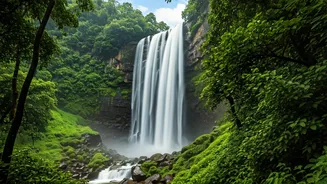
Getting to Dudhsagar is the adventure itself. The falls are tucked deep inside the Bhagwan Mahaveer Sanctuary and Mollem National Park, a protected expanse of dense, tropical forest. During the monsoon, the primary way in is a bone-rattling jeep safari that feels like a scene from an old-school expedition movie. Local drivers, experts in navigating the treacherous terrain, pilot their 4x4s along muddy tracks, fording streams that have swollen into small rivers. The journey is a bumpy, exhilarating ride through a world of dripping green. Giant ferns, ancient trees draped in moss, and the occasional flash of a colorful bird are your only companions. The air is thick with the smell of wet earth and decaying leaves. This isn’t a sanitized theme park ride; it’s a genuine foray into a wilderness that feels untamed and magnificently alive, reminding you that reaching a truly great destination should require a bit of effort.
A Different Kind of Immersion
After the 45-minute drive, a short walk brings you to the viewing area. The reward is immediate and immense. You stand before a wall of white water, feeling the spray on your face and the vibrations through the ground. One of the most iconic images of Dudhsagar is the railway line that crosses in front of the falls on a stone bridge. If you’re lucky, you’ll witness a train slowly making its way across, a tiny speck of human engineering dwarfed by the grandeur of the cascade. It’s a moment that captures the scale of the scene perfectly. Unlike the ocean, you can't swim here during the peak monsoon—the currents are far too dangerous. The immersion is not physical but emotional. It’s about standing in awe of something so vast and powerful, a feeling that connects you to the natural world in a way a beach holiday rarely can.