






The Twilight of the Annual Holiday
For generations, the Indian vacation was an institution built on scale. It often involved weeks of planning, packing entire households into trains, and embarking on a single, epic journey during the summer school break. It was a cherished, but often once-a-year,
event. Today, that model is being rapidly dismantled, not by a lack of desire, but by a change in lifestyle and opportunity. Travel industry reports from sources like Booking.com and Thomas Cook India consistently show a massive pivot towards trips lasting two to four days. This isn't just a fleeting trend; it’s a fundamental restructuring of leisure time for hundreds of millions of people. Projections for the coming years suggest this pattern will only intensify, making the “micro-cation” the default mode of travel for India’s upwardly mobile population.
Meet India's New 'Time-Poor, Experience-Rich' Traveler
So, what’s behind this travel revolution? The answer lies in the anatomy of India's new economy and the aspirations of its booming middle class. With more dual-income households and demanding corporate jobs, disposable income is up, but free time is scarce. The luxury of a three-week sabbatical is a fantasy for many young professionals. Instead of forgoing travel altogether, they are optimizing it. The mindset has shifted from saving up all year for one big trip to punctuating the year with multiple, affordable escapes. This “time-poor, experience-rich” traveler wants to maximize their weekends and public holidays, viewing travel not as a rare indulgence but as a necessary and regular recharge. This cultural shift is the primary engine driving the demand for short, digestible getaways.
The Infrastructure of Spontaneity
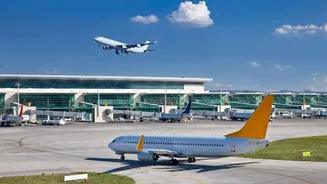
This new travel appetite couldn't exist in a vacuum. It’s enabled by a rapidly modernizing infrastructure. The explosion of low-cost domestic airlines like IndiGo and SpiceJet has made flying between cities cheaper and more accessible than ever before. A flight that once cost a week's salary is now an affordable, spontaneous option. Simultaneously, massive government investment in highways and expressways has dramatically cut down road travel times. A destination that was once a grueling eight-hour drive is now a manageable three-hour jaunt. Add to this the digital ecosystem of online travel agencies (OTAs) like MakeMyTrip and Agoda, which allow for seamless, last-minute bookings from a smartphone. This trifecta—cheap flights, better roads, and digital convenience—has created the perfect conditions for the weekend getaway to thrive.
From Hill Stations to 'Bleisure' Breaks
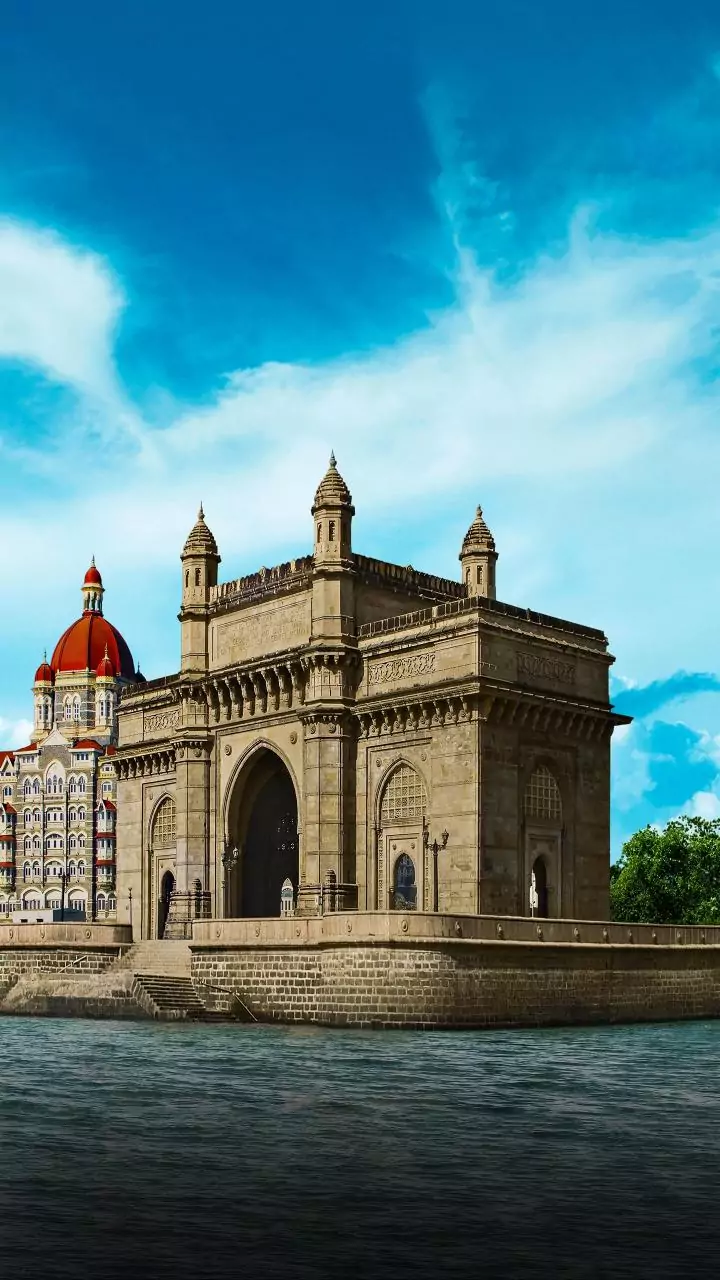
The nature of the destinations is changing, too. While classic hill stations and beach towns remain popular, the short-trip trend is creating new tourist hotspots. Travelers are exploring destinations closer to home, seeking out boutique farm stays, wellness retreats, and historical sites within a few hours' drive. This is boosting local economies in smaller towns that were previously off the tourist map. Furthermore, the lines between work and leisure are blurring into “bleisure” travel. A business trip to Mumbai or Bengaluru is now frequently extended by a day or two for personal exploration. This allows professionals to see more of their own country without taking significant time off work, perfectly aligning with the fast-paced, multi-tasking ethos of modern Indian life.