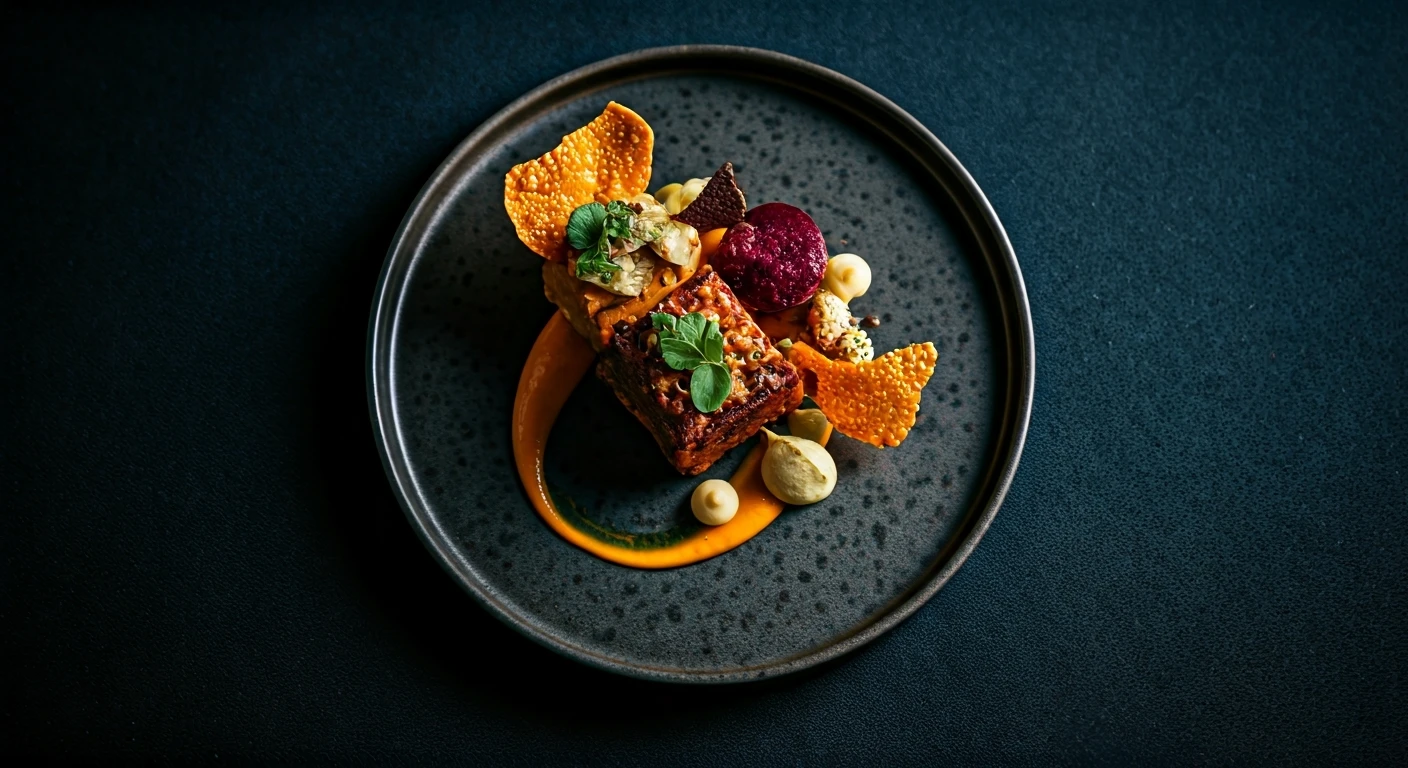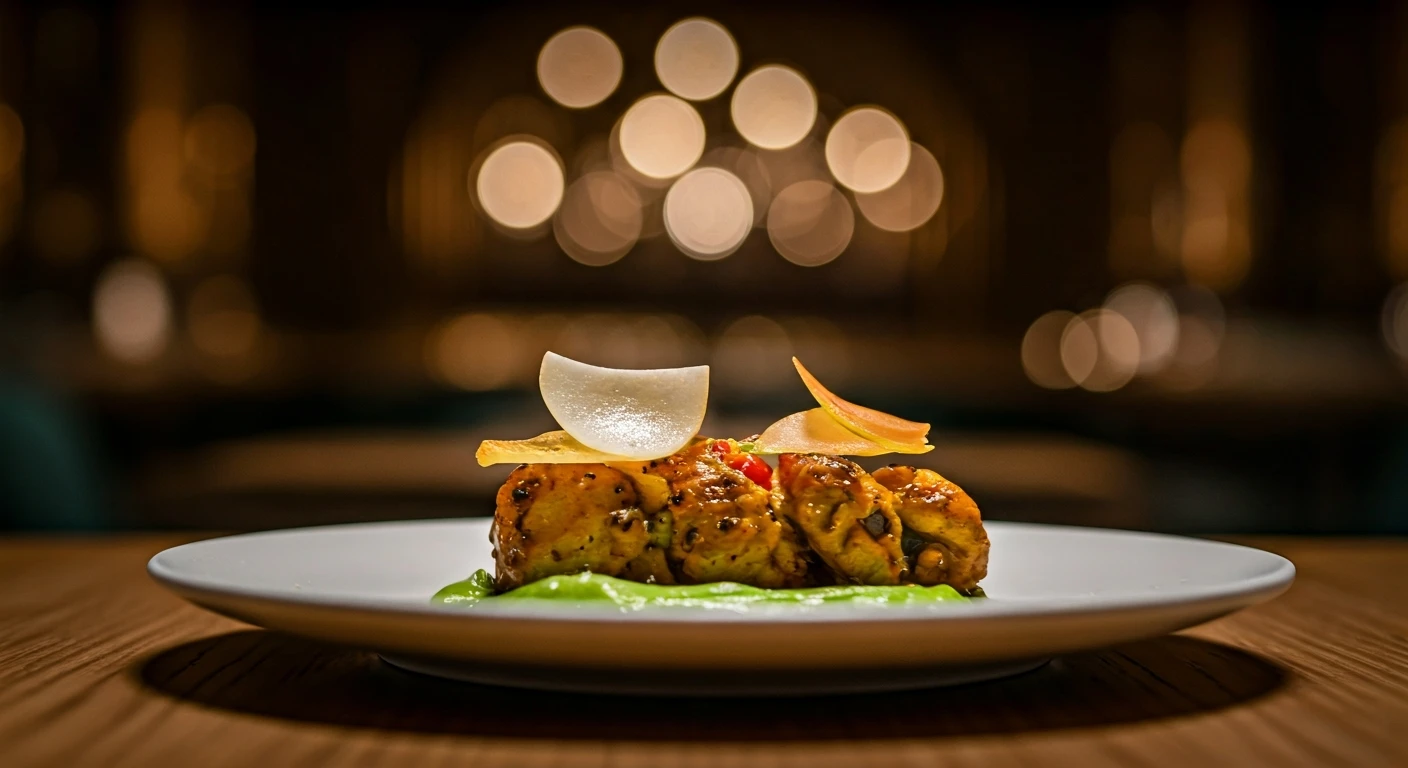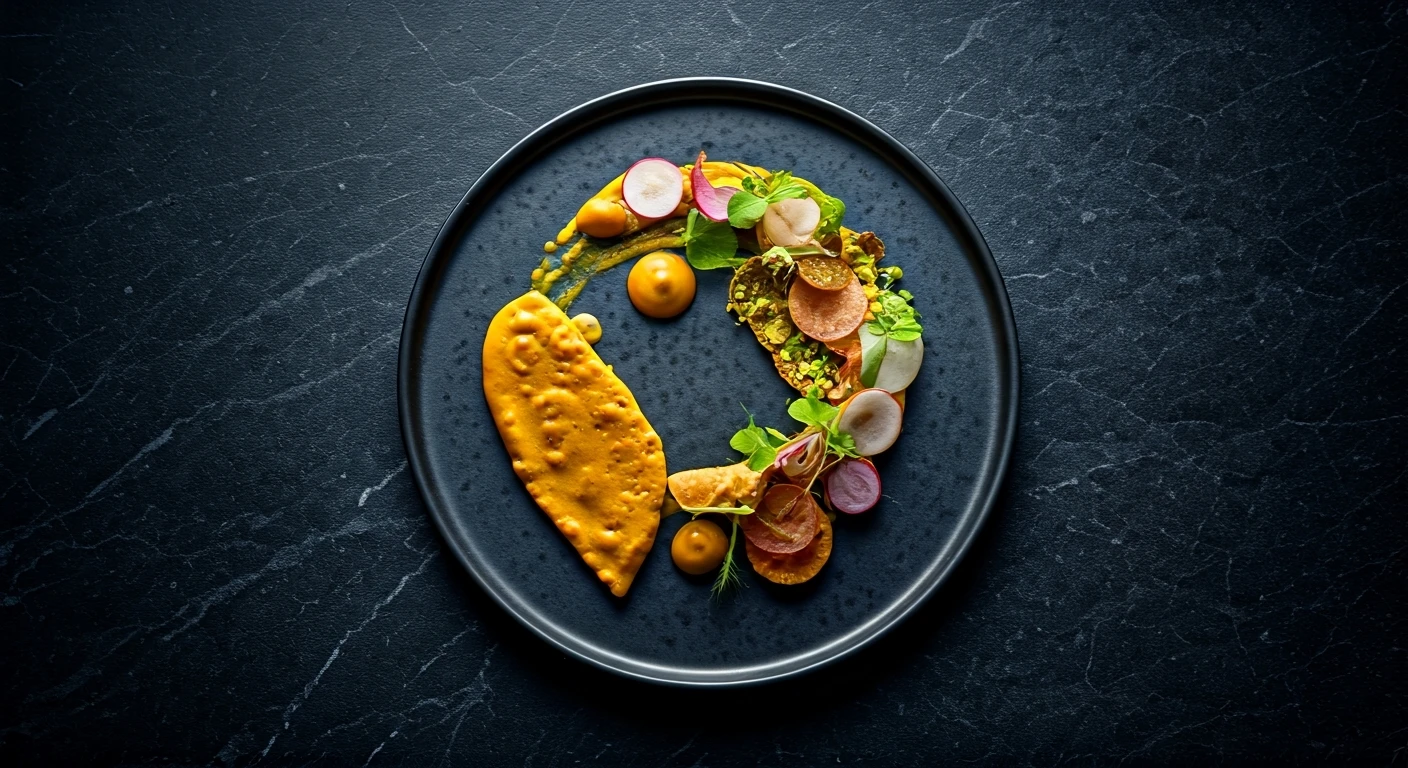

From Comfort Food to High Concept
For many Americans, the Indian restaurant experience is comfortingly familiar: a warm, dimly lit room, a sprawling menu of greatest hits from tikka masala to saag paneer, and a generous basket of naan. It’s a beloved formula, but it’s one that a new vanguard
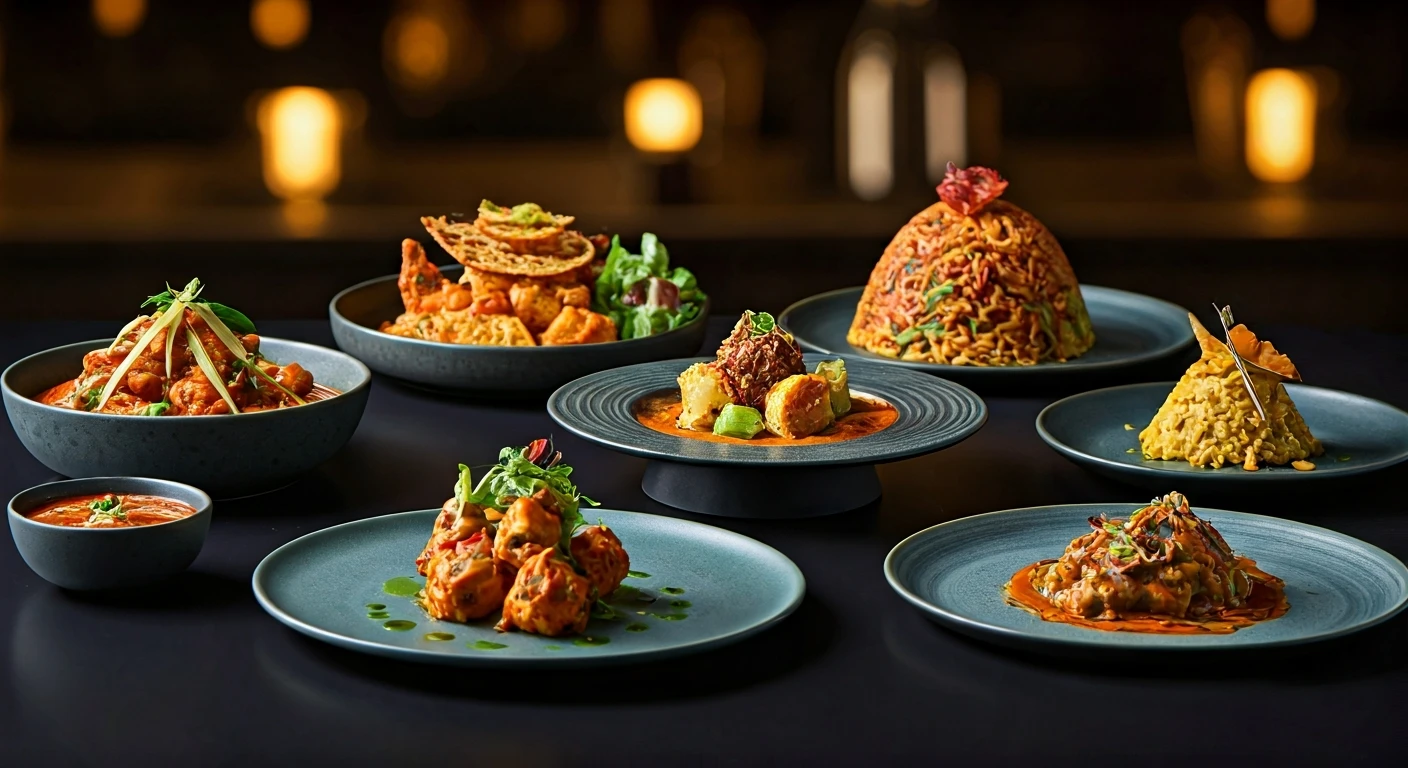
of Indian chefs and restaurateurs is actively dismantling. In the bustling metropolises of Mumbai, New Delhi, and Bengaluru, the ambition is no longer just to serve delicious food; it’s to create globally significant culinary destinations. This isn't about abandoning tradition. It’s about elevating it with fine-dining techniques, hyper-local ingredients, and a bold, confident vision. The new Indian restaurant is less a repository for classic recipes and more a laboratory for what Indian cuisine can be. It’s a shift from serving a monolithic idea of “Indian food” to celebrating the subcontinent's staggering diversity with artistry and precision.
The Rise of the Tasting Menu
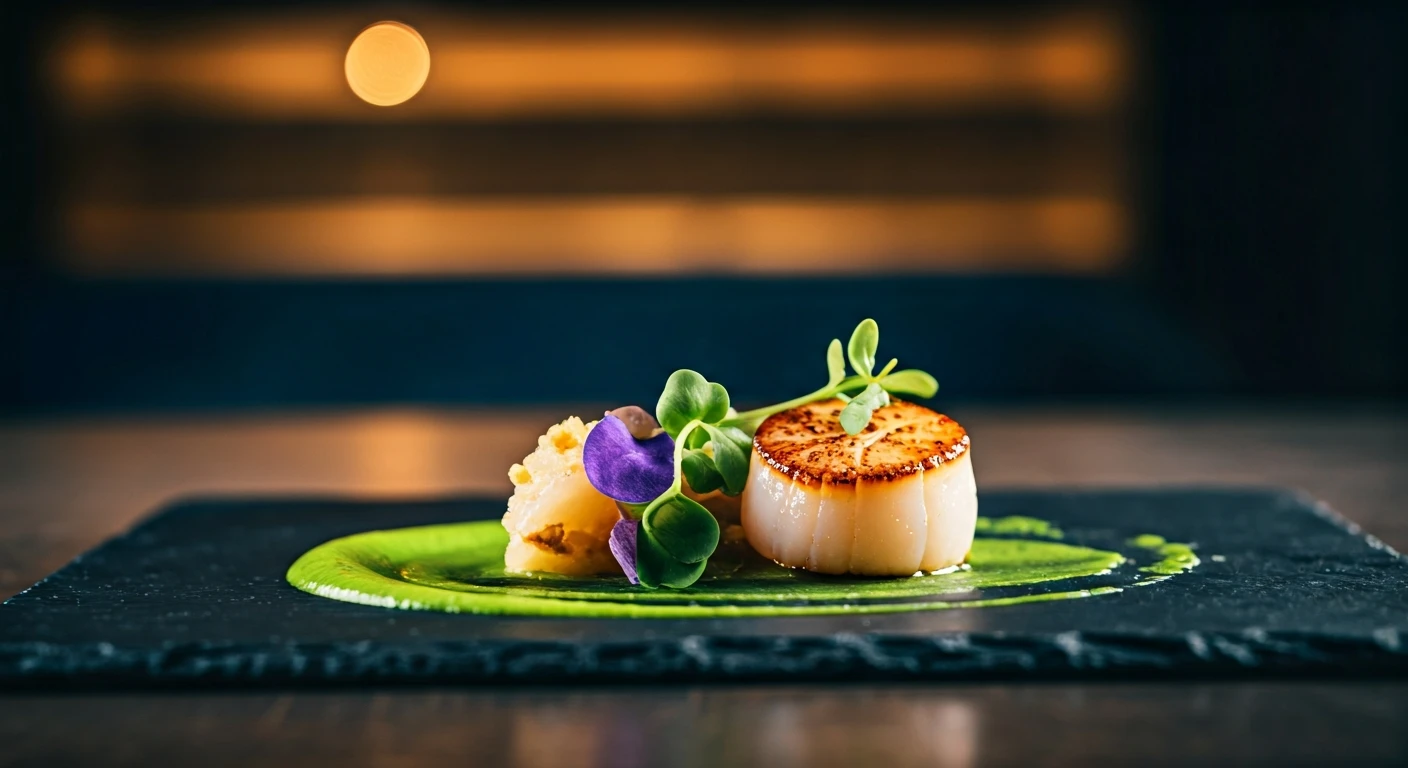
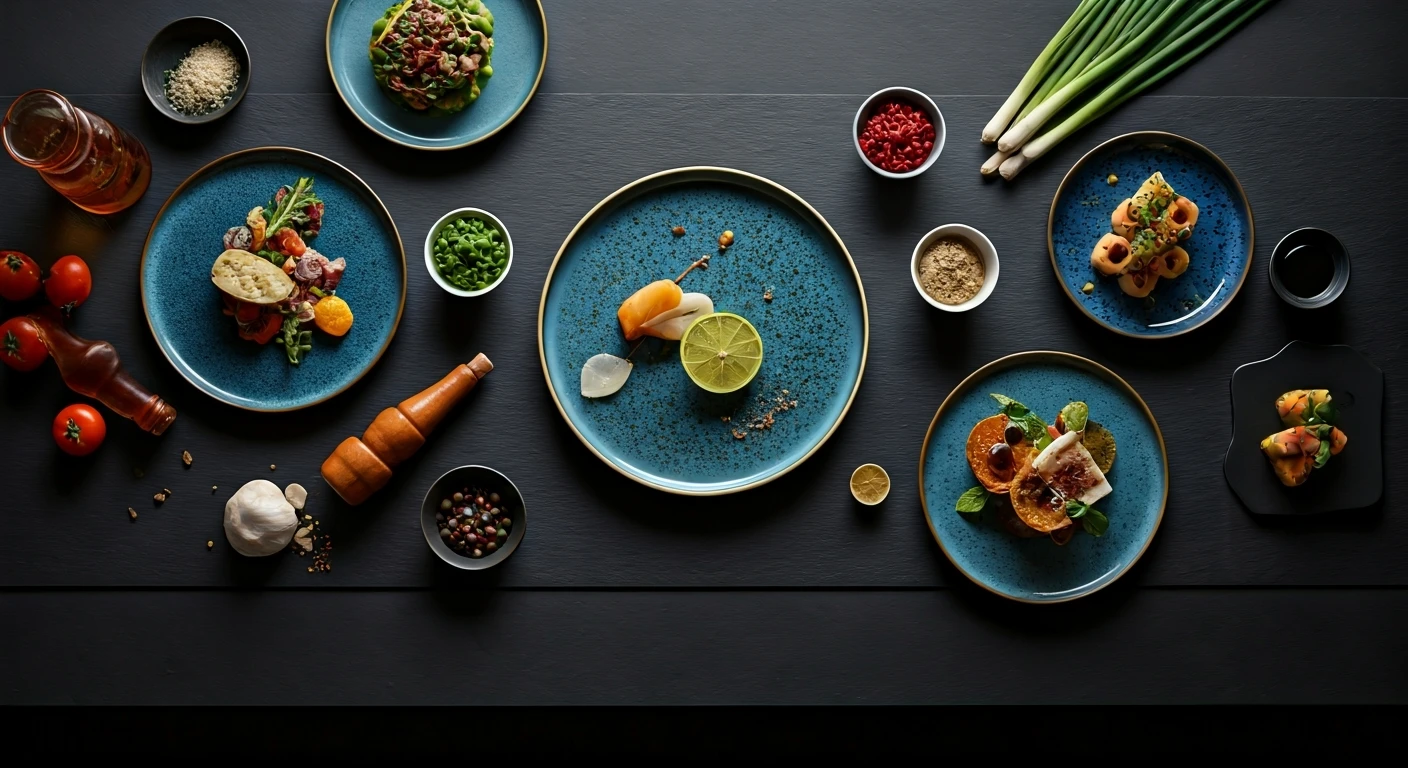
Nowhere is this new ambition more apparent than in the rise of the tasting menu. At Masque, tucked away in an old Mumbai textile mill, Chef Prateek Sadhu (and now his successor, Varun Totlani) pioneered a “soil-to-plate” philosophy. The restaurant showcases ingredients foraged from the Himalayas and sourced from across the country—think sea buckthorn from Ladakh or fiddlehead ferns from Himachal Pradesh—in meticulously crafted 10-course meals. This is food that tells a story about a specific time and place, a concept that has earned Masque a consistent spot on Asia’s 50 Best Restaurants list. Similarly, Indian Accent in New Delhi, led by the celebrated chef Manish Mehrotra, has long been a trailblazer. It masterfully blends global ingredients with Indian flavors in inventive, often whimsical dishes. A blue cheese-stuffed naan or pulled pork phulka taco might sound like fusion confusion, but in Mehrotra’s hands, it’s a seamless and delicious conversation between cultures, served in a sleek, modern setting.
Celebrating Regional Roots
Perhaps the most exciting trend is the deep dive into India's vast and varied regional cuisines. For too long, the restaurant world has been dominated by North Indian, specifically Punjabi, dishes. Now, chefs are proudly championing the distinct culinary traditions of their own heritage. In Goa, restaurants like The Black Sheep Bistro are modernizing Goan-Portuguese flavors. In Kolkata, modern Bengali eateries are reimagining classics beyond the home kitchen. In Delhi, a restaurant might specialize in the complex, smoky foods of Nagaland in the northeast, introducing diners to ingredients and techniques they’ve never encountered. These restaurants are doing important cultural work. They are archives of flavor, preserving and innovating within hyper-specific traditions. For diners, it’s a thrilling education, proving that Indian food is not one cuisine, but dozens.
The Cocktail Is King
This redefinition of ambition extends beyond the plate. India’s top cities are now home to some of the world’s most acclaimed cocktail bars. The focus on craft, local ingredients, and storytelling that characterizes the new food scene is mirrored at the bar. New Delhi’s Sidecar, for instance, has been a fixture on the World’s 50 Best Bars list, celebrated for its exquisite classic cocktails and innovative creations infused with Indian spices and teas. These are not just add-ons to a restaurant; they are destinations in their own right, designed with stunning interiors and staffed by highly trained mixologists. The world-class bar program has become an essential part of the modern Indian dining experience, signaling a comprehensive approach to hospitality that puts every detail on par with international standards.