





First, Let’s Talk Rasam
Before we get to the mango, let’s get acquainted with its foundation: rasam. For the uninitiated, rasam is a cornerstone of South Indian cuisine, a thin, peppery broth that’s as complex as it is comforting. Think of it less as a thick, meal-in-a-bowl
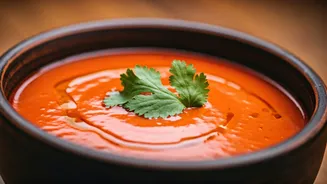
soup and more as a souped-up, powerfully flavorful consommé. At its heart, a traditional rasam is a delicate dance of tangy tamarind, ripe tomatoes, earthy lentils (toor dal), and a signature blend of spices known as rasam podi—typically featuring black pepper, cumin, coriander, and dried red chilies. It’s the kind of dish that’s said to cure colds, clear sinuses, and settle stomachs. Served hot, it can be sipped like a tea or, more commonly, poured over a mound of fluffy white rice, creating an instant, soul-satisfying meal.
Now, Add the Mango
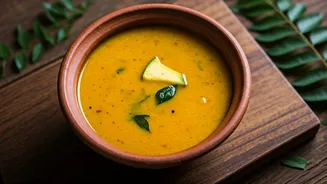
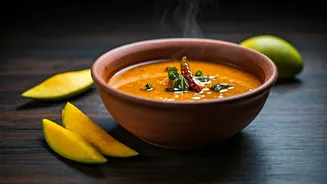
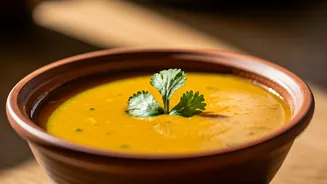
This is where the experiment begins. Adding mango to this established classic elevates it from a daily staple to a seasonal showstopper. Depending on the mango you use, you get two entirely different but equally brilliant results. The more traditional path uses unripe, green mangoes (pacha manga). These mangoes are firm, intensely sour, and lend a sharp, acidic brightness that replaces or complements the tamarind, infusing the broth with a raw, electric tang. The other path—a more modern, playful twist—uses sweet, ripe mangoes. Here, the fruit’s nectar-like sweetness weaves through the broth’s spicy and sour notes, creating a stunning sweet-and-sour symphony. The pulp breaks down slightly, giving the rasam a subtle body and a golden hue. It’s this version that feels like bottled sunshine, a perfect collision of tropical fruit and intricate spice.
A Symphony of Summer Flavors
There’s a reason Mango Rasam is a quintessential summer dish. Everything about it is designed to combat the heat. The prominent sour notes from the tamarind and mango are incredibly refreshing on a sweltering day. The kick of black pepper and chili, while seemingly counterintuitive, actually induces a light sweat, which is your body’s natural air conditioning. And unlike heavy stews or creamy soups that can weigh you down, rasam is light and hydrating, stimulating your appetite without overwhelming it. It hits the palate with an invigorating zing that cuts through the lethargy of a hot afternoon. It’s the perfect culinary antidote to the summer doldrums, waking up your taste buds and cooling you down from the inside out.
Your Kitchen, Your Laboratory
The word “experiment” can be intimidating, but Mango Rasam is incredibly forgiving and flexible. The basic process involves simmering the core ingredients—tamarind water, chopped tomatoes, cooked dal, and the mango of your choice—with turmeric and salt. While that’s bubbling away, you prepare the finishing touch, the all-important tadka (or tempering). This is the flavor bomb that makes the dish sing. In a small pan, you’ll heat a little ghee or oil and sizzle mustard seeds until they pop. Then you’ll add cumin seeds, a sprig of curry leaves, a dried red chili, and a generous pinch of asafoetida (hing). This fragrant, sizzling mixture gets poured directly into the rasam, releasing an incredible aroma and adding a final layer of deep, savory flavor. Don't skip this step; it’s what ties everything together.
More Than Just a Soup
In the U.S., we tend to think of soup as a standalone appetizer or a light lunch. But in a South Indian meal, rasam plays a specific and beloved role. While you can absolutely sip it from a cup, the most traditional and satisfying way to enjoy it is with rice. Ladle the hot, thin Mango Rasam over a pile of steamed rice, add a small spoonful of ghee (clarified butter) to enrich the flavor, and mix it all together with your fingers or a spoon. It's often served as a second course after a sambar-and-rice course, meant to cleanse the palate and aid digestion before moving on to yogurt rice. It’s a dish that’s both a simple comfort and a vital part of a larger culinary tapestry.