


An Embrace of Mist
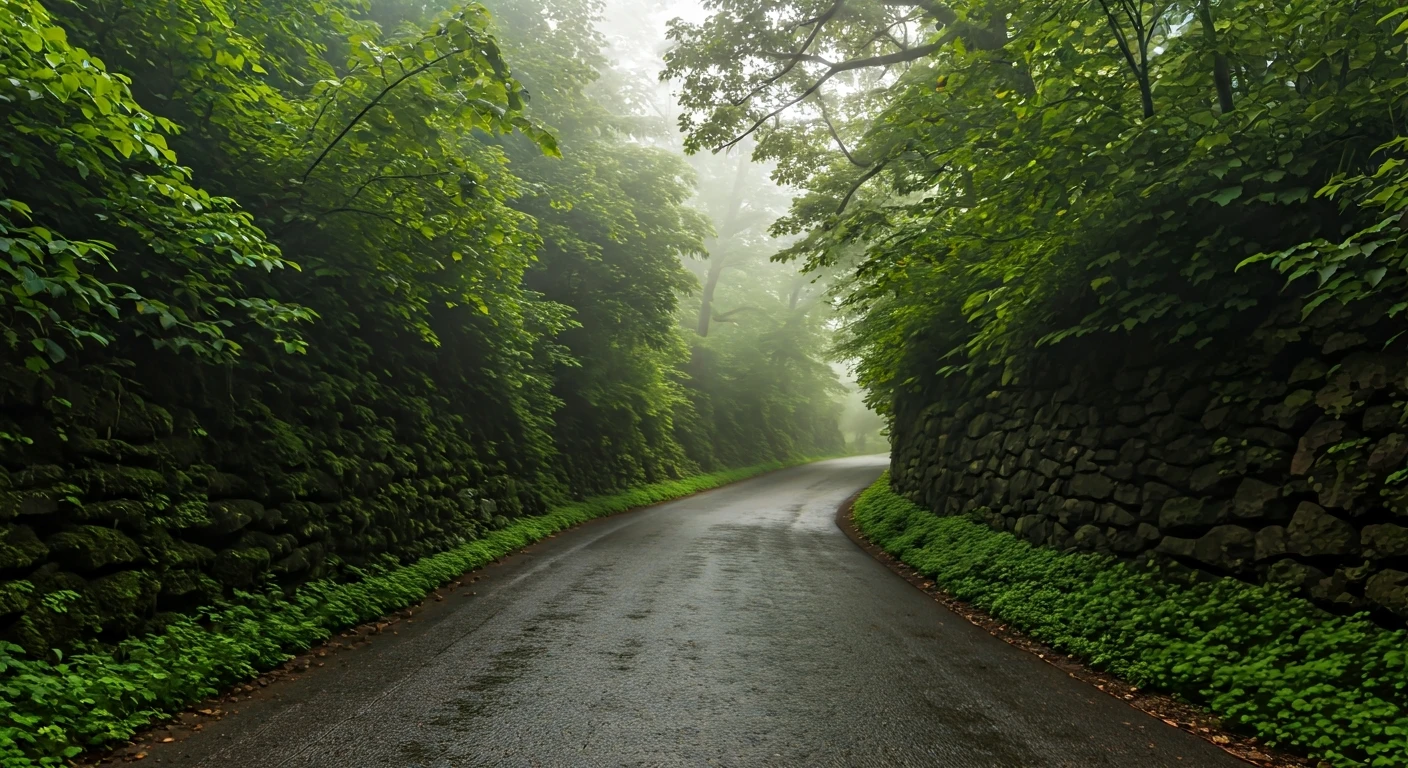
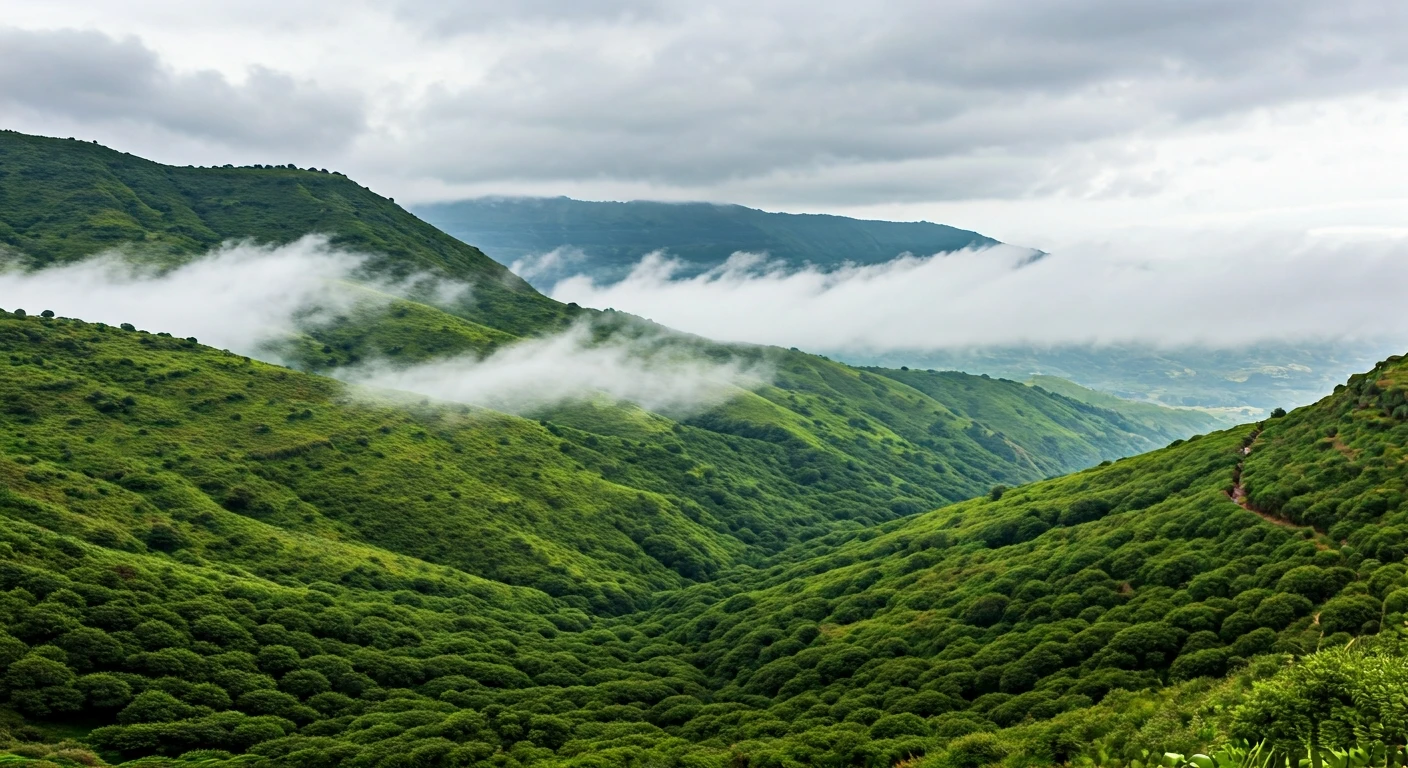
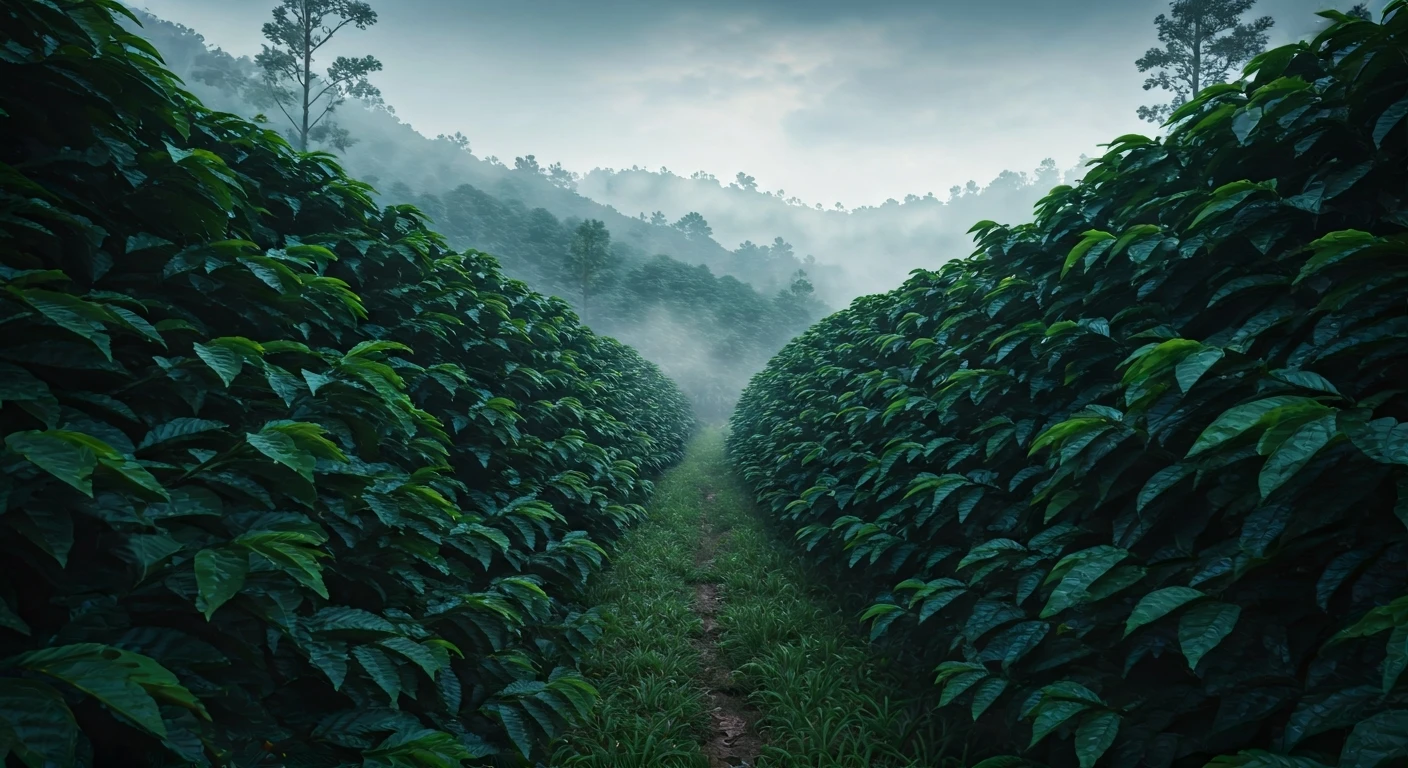
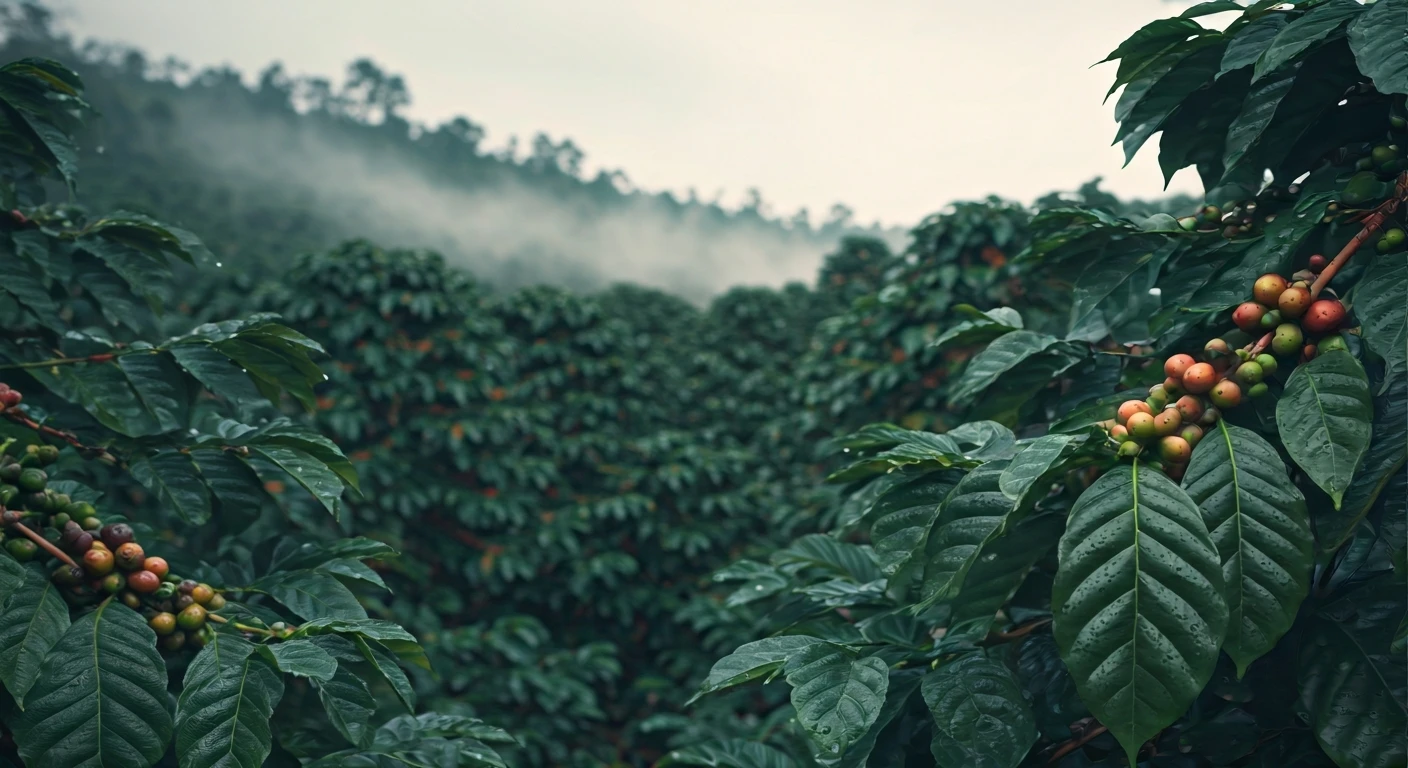
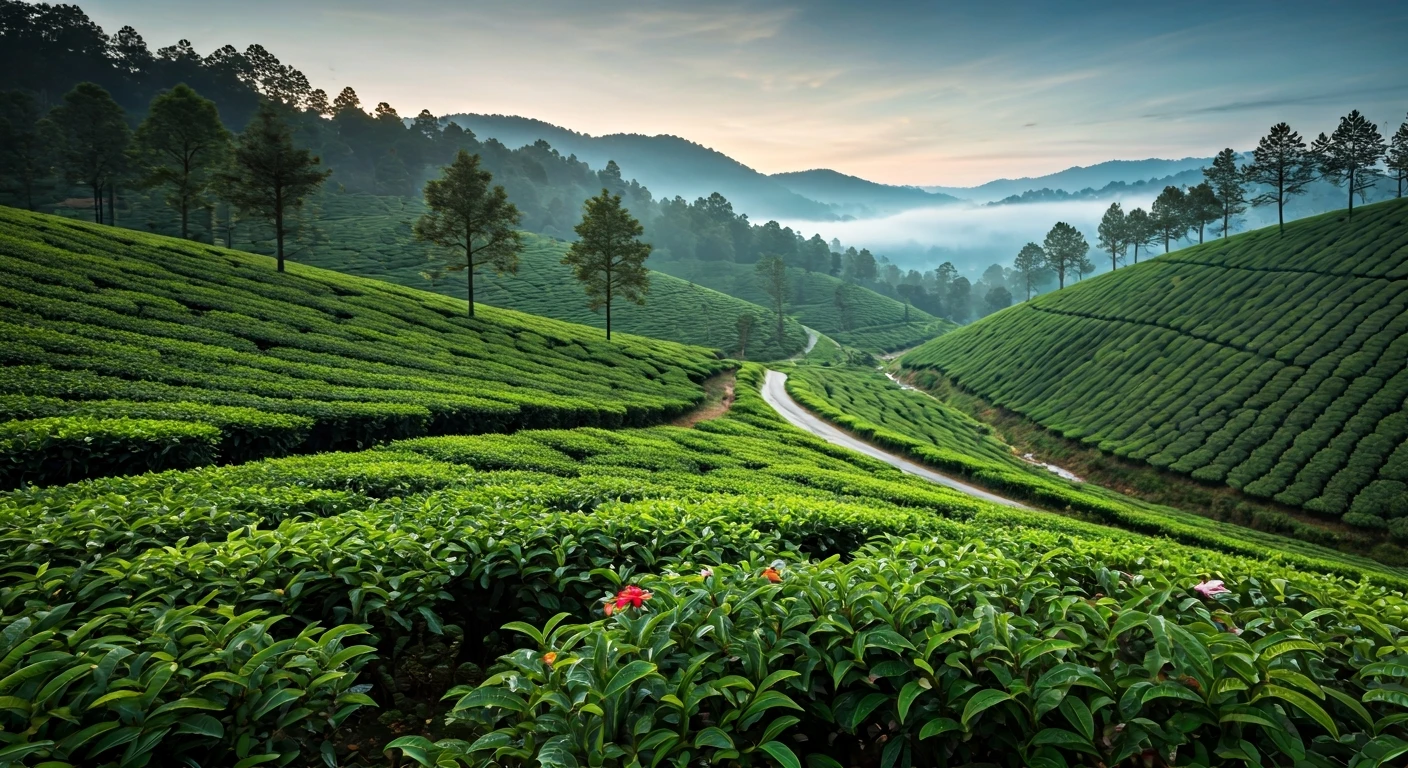
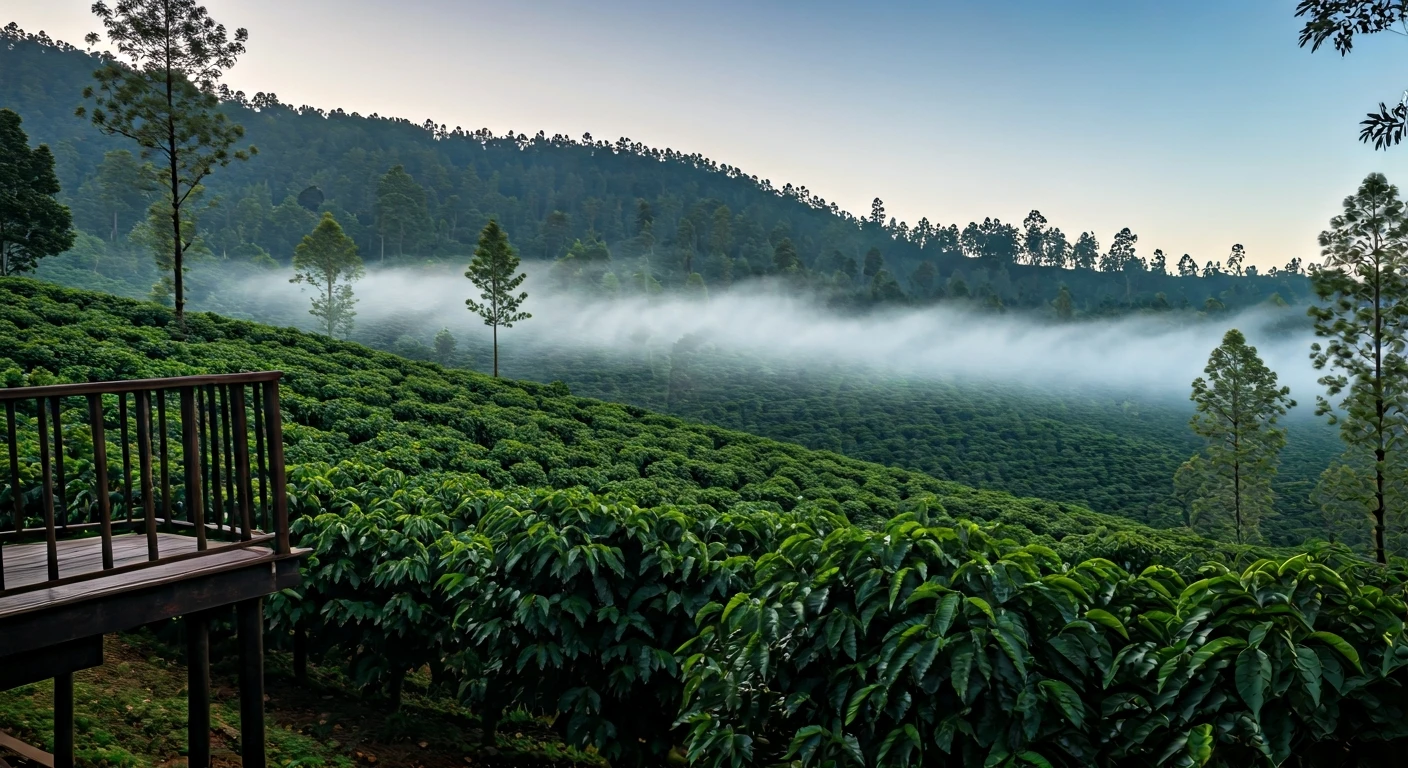
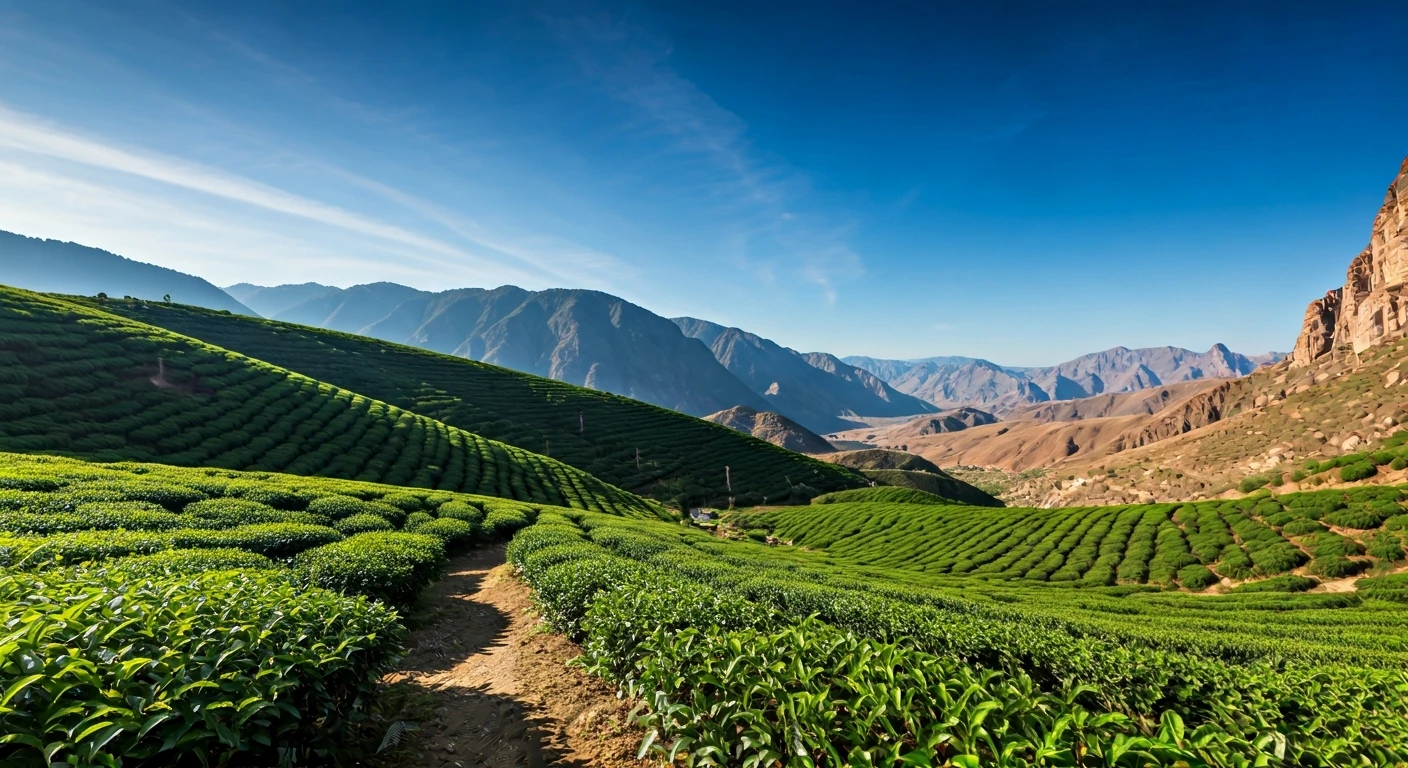
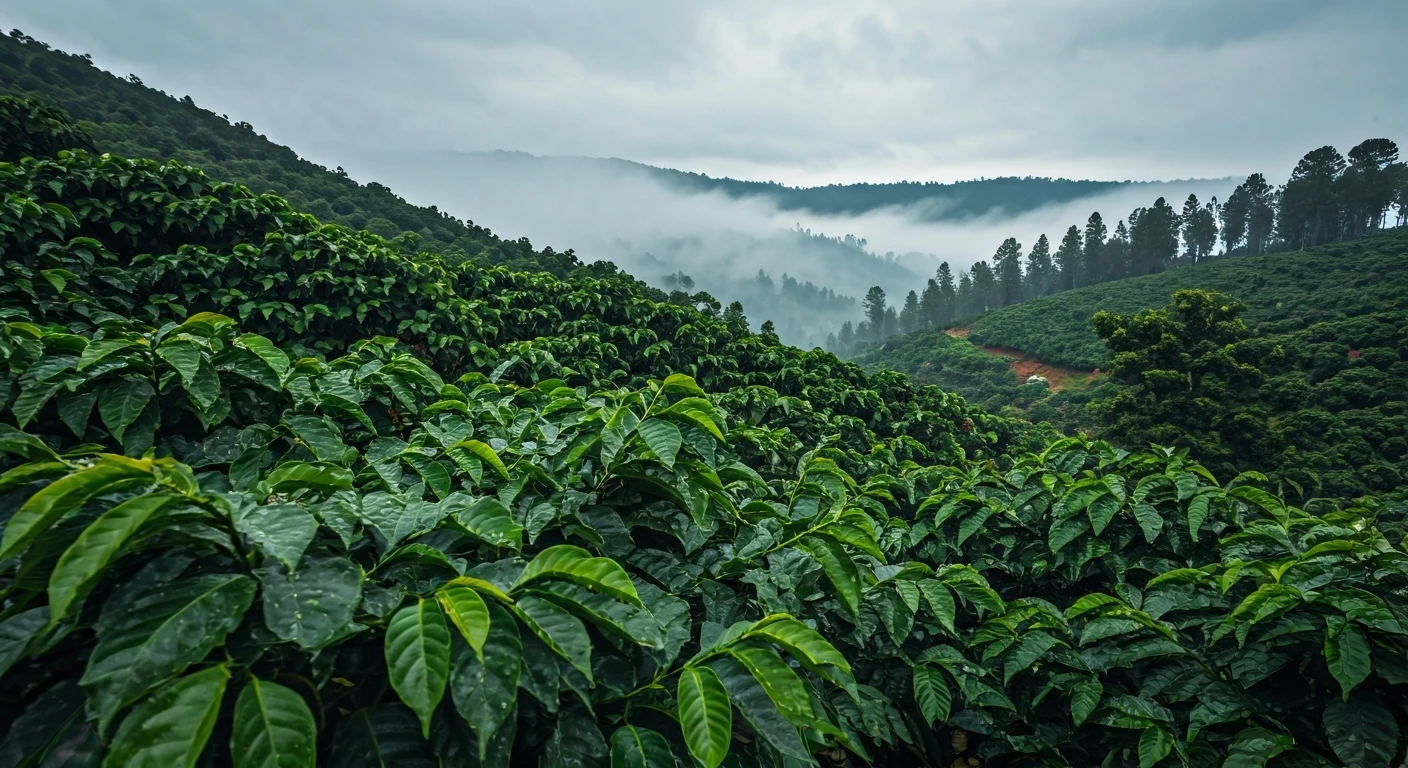
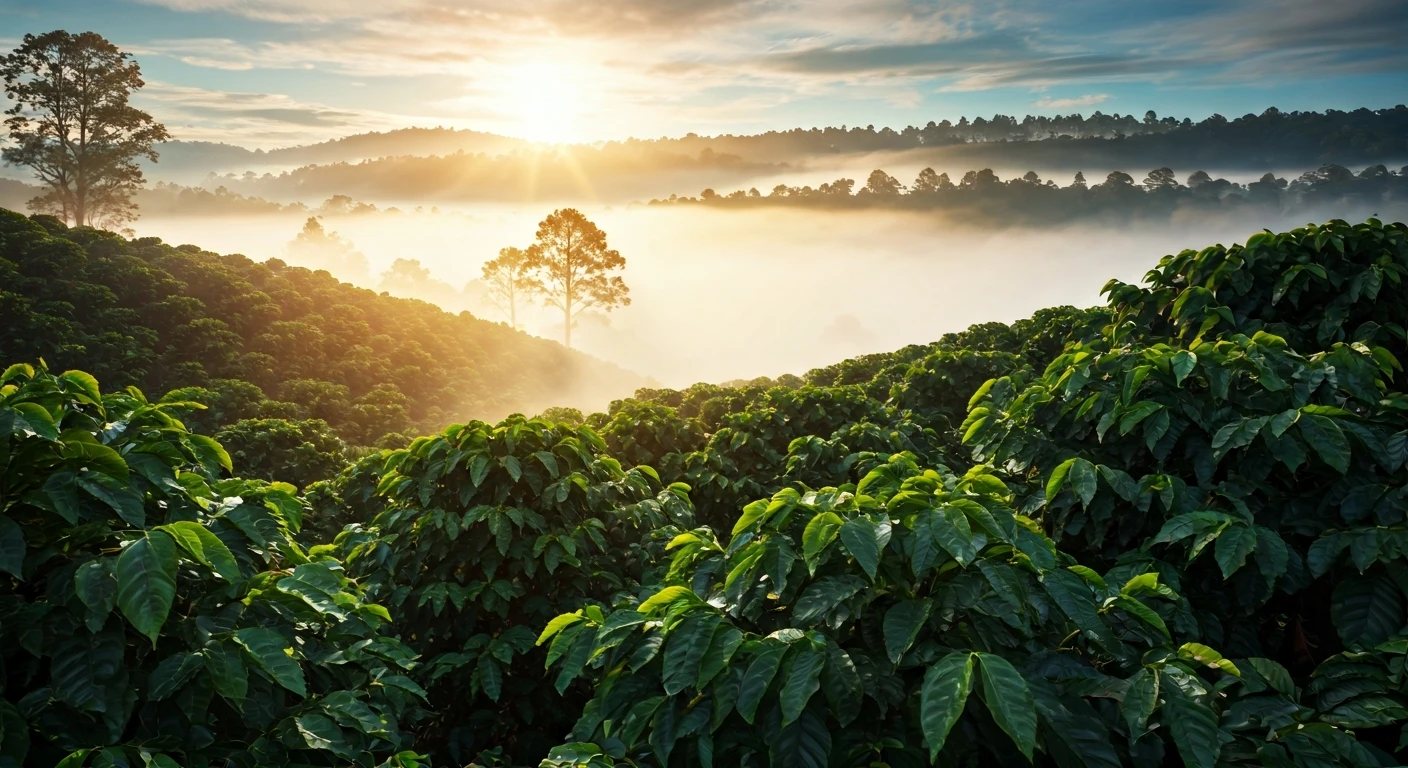
To visit Mahabaleshwar, especially during or just after the monsoon season, is to surrender to the fog. It isn’t just weather; it's an event. Perched high in the Western Ghats mountain range of Maharashtra, the town is famous for its dramatic viewpoints
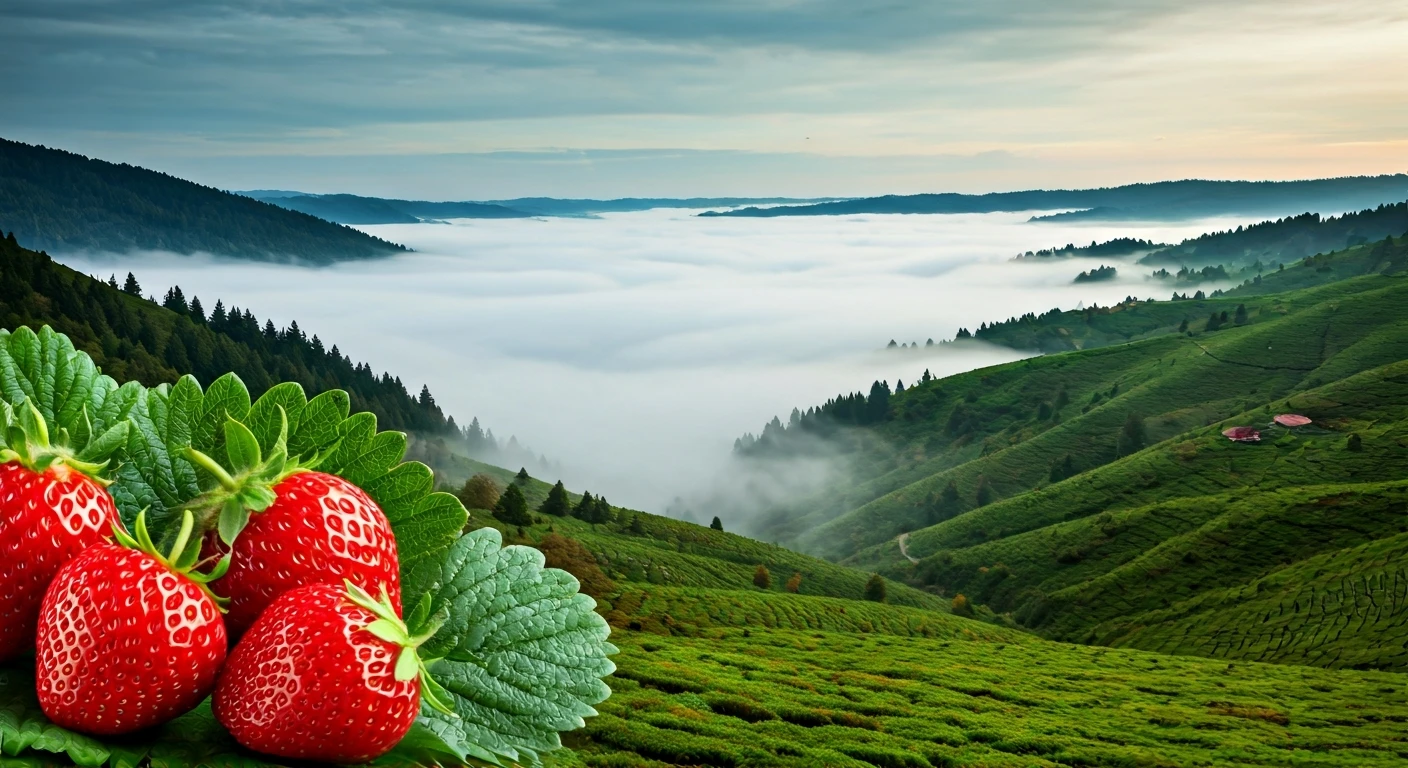
that look out over vast, verdant valleys. But often, the main view is an ethereal wall of white. The fog drifts through the pine forests, clings to the colonial-era rooftops, and transforms a simple walk into a mysterious journey. For Americans accustomed to thinking of India in terms of bustling, sun-baked cities, the cool, damp air and the quiet hush that accompanies the mist is a profound sensory reset. It swallows sound, softens light, and forces you to focus on what’s immediately in front of you: the glistening leaves on a tree, the slick cobblestones of a historic path, or the outline of a fellow traveler appearing suddenly from the haze.
The Strawberry Capital
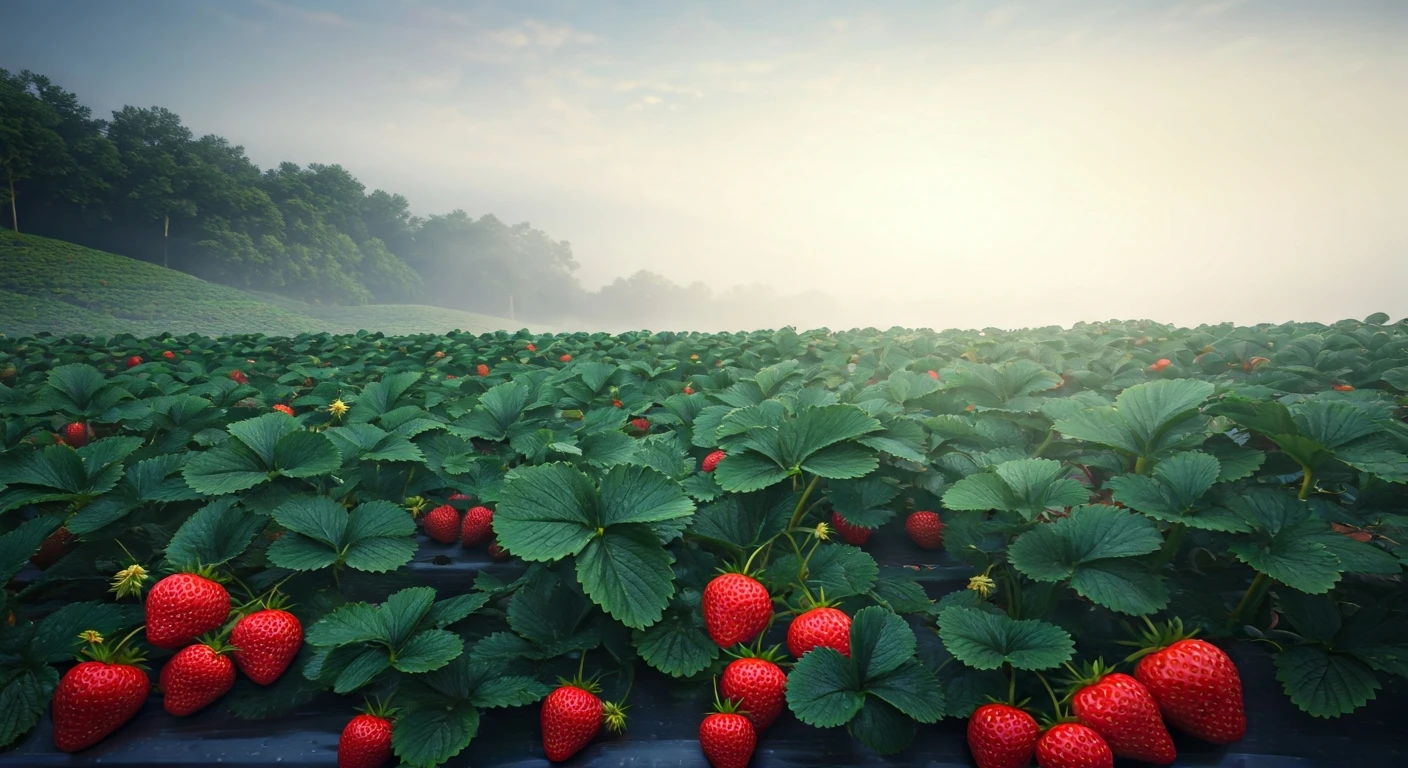
If the fog is Mahabaleshwar’s mood, then strawberries are its flavor. This small town is improbably responsible for over 85% of India’s strawberry production. The cool climate and red, loamy soil create perfect growing conditions. From December through March, the region comes alive with the fruit. Roadside stalls and farm stands offer heaps of glistening red berries in wicker baskets. But the true local delicacy is strawberry with cream. Vendors serve up heaping bowls of freshly sliced strawberries smothered in thick, decadent cream, a simple pleasure that has become synonymous with a trip here. You can visit famed plantations like Mapro Garden, where you can tour the fields, sample jams and syrups, and indulge in wood-fired pizzas topped with—you guessed it—unconventional but delicious strawberry combinations. It’s a farm-to-table experience that feels both rustic and utterly indulgent, a taste of place that is sweet, fresh, and unforgettable.
Echoes of a Bygone Era
The final ingredient in Mahabaleshwar’s unique recipe is nostalgia. The town was established in the 1820s by the British as a summer capital for the Bombay Presidency, a mountain refuge from the oppressive coastal heat. That colonial legacy is etched into its very identity. Old churches with stained-glass windows, charming bungalows with gabled roofs, and stately government buildings peek out from behind ancient trees. The main market street, though now filled with modern shops, retains a timeless feel. You can ride horses along trails first carved out a century ago or take a boat out on Venna Lake, built in the 1840s. For many visitors, this isn’t about glorifying a colonial past, but about stepping into a place where time seems to have slowed. It’s a nostalgia for a pre-digital, pre-megacity pace of life, where the main activities are walking, talking, and sipping tea while watching the world (or the fog) go by.
More Than the Sum of Its Parts
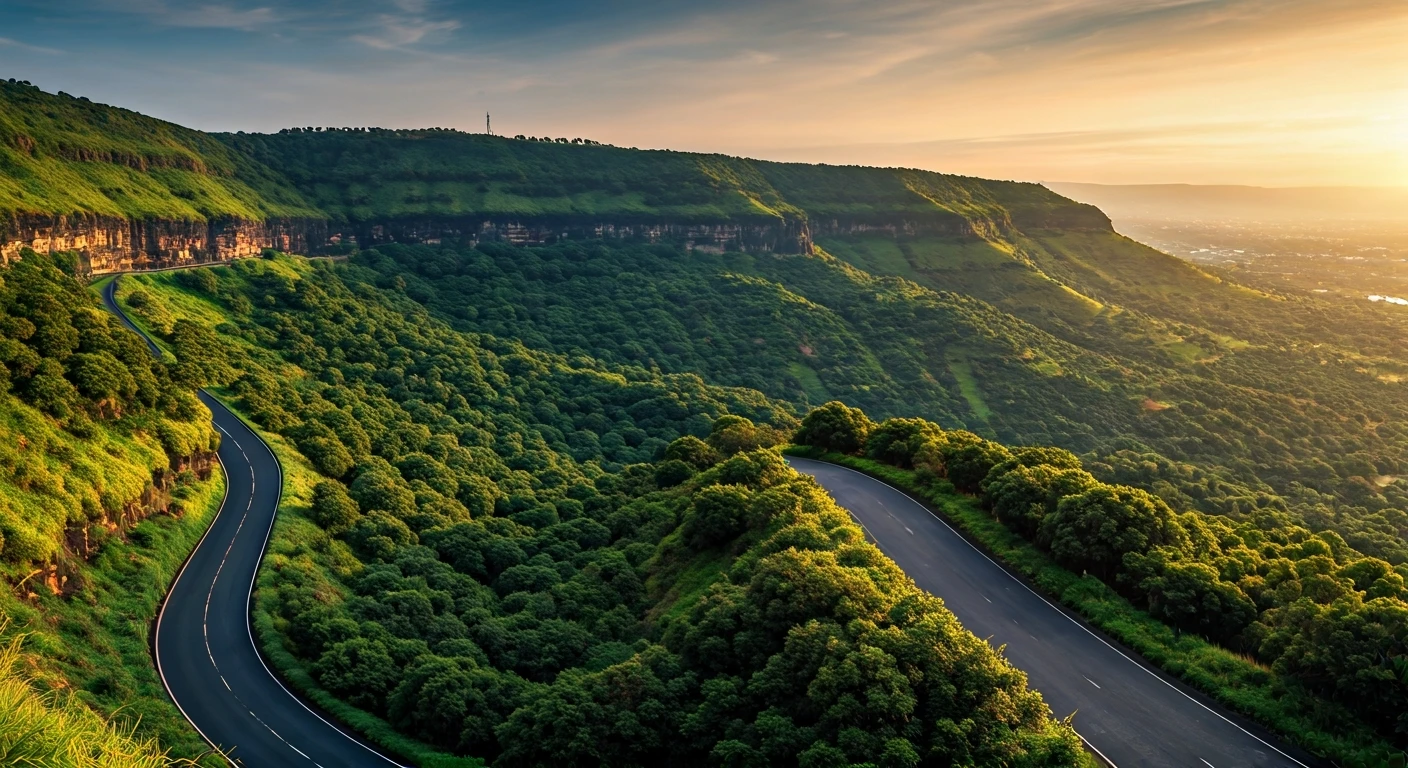
What makes Mahabaleshwar so enchanting is how these elements intertwine. A single experience can contain all three. Imagine sitting at an old café, a relic from another time, sipping a hot drink to ward off the misty chill as you eat a bowl of freshly picked strawberries. You’re not just having a snack; you’re participating in a ritual. It’s in the drive up the winding ghat roads, watching the landscape change from tropical to temperate. It’s in the quiet satisfaction of reaching a viewpoint like Arthur’s Seat, hoping for a break in the clouds to reveal the staggering landscape below, but finding equal beauty in the quiet solitude of the mist. The town doesn’t just offer sights; it offers a complete, immersive atmosphere.