





The End of the Lunch Rut
The weekday lunch break for the American office worker has long been a landscape of compromise. It’s a frantic dance between three unappealing choices: the expensive and time-consuming sit-down meal, the nutritionally questionable fast-food run, or the soul-crushing
'sad desk salad' assembled with more resignation than enthusiasm. For years, the goal has been simple sustenance—a quick refuel before diving back into spreadsheets and Slack channels. But a quiet revolution is happening in corporate cafeterias and delivery apps, fueled by a desire for a meal that is not just fast, but also fresh, flavorful, and functional.
Enter the Unlikely Hero
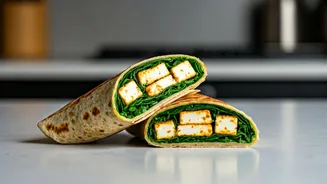
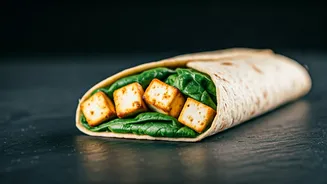
Amid this search for the perfect midday meal, the paneer spinach wrap has emerged as a frontrunner. For those unfamiliar, paneer is a fresh, non-melting Indian cheese with a firm, slightly crumbly texture, similar to a firm tofu or ricotta salata. When cubed and often lightly spiced, it’s paired with sautéed spinach (or its Indian cousin, palak), and sometimes a creamy, tangy sauce, all bundled neatly in a whole wheat tortilla or flatbread. It's a brilliant piece of food fusion, taking the core elements of the beloved Indian dish palak paneer and reformatting it for maximum portability. It’s ethnic food made approachable, a handheld meal that feels both wholesome and a little bit adventurous.
The 'Healthy-ish' Holy Grail
A key part of the wrap's appeal is its near-perfect alignment with modern wellness goals. It ticks all the right boxes for the health-conscious but time-poor professional. The paneer offers a substantial, satisfying dose of vegetarian protein, keeping afternoon hunger pangs at bay. The spinach provides essential vitamins and fiber, adding a virtuous green element that makes you feel like you’re making a responsible choice. The wrap itself provides the carbohydrates for energy, but in a controlled, contained format. It’s the ideal 'healthy-ish' meal: it feels nourishing and clean without veering into the spartan territory of plain grilled chicken and steamed broccoli. It’s satisfying enough to feel like a treat, but healthy enough to sidestep any post-lunch guilt.
Designed for the Desktop
Beyond its nutritional profile, the paneer spinach wrap is an ergonomic masterpiece. It’s the ultimate desk-friendly food. Unlike a messy burrito that threatens to implode on your keyboard or a salad that requires constant, noisy fork-wrangling, the wrap is a self-contained unit. It can be eaten one-handed while typing with the other, a grim but realistic requirement of modern corporate life. Most versions are delicious served cold or at room temperature, eliminating the need to wait in line for the office microwave. It’s grab-and-go convenience without the usual trade-offs in quality or flavor, making it a staple in pre-made sections of upscale markets and on the menus of corporate lunch delivery services like MealPal.
A Sign of Evolving Tastes
Ultimately, the rise of the paneer spinach wrap says less about the wrap itself and more about the evolving American palate. For a generation of workers raised in diverse cities and exposed to global cuisines, the standard turkey club simply doesn't cut it anymore. They crave complexity, spice, and novelty. The wrap represents a perfect middle ground—it’s familiar in its format but exciting in its filling. It’s the logical next step for a consumer base that has already embraced sriracha, gochujang, and tahini. The popularity of this specific wrap is a microcosm of a larger trend: the mainstreaming of South Asian flavors, repackaged for the American workday. It's a delicious indicator that the future of the American lunch hour is becoming more global, more interesting, and a lot less sad.