





The Uncool Era of 'Roughage'
For years, fiber was the unglamorous workhorse of the nutrition world. If you’re over 30, you probably associate it with your parents’ obsession with “regularity” and the dense, flavor-challenged bran muffins of the 1980s. It was functional, sure, but
it was also profoundly uncool. Sold as “roughage,” it was something you endured, not enjoyed. The marketing was all about preventing constipation, a message that hardly screams culinary delight. It was the nutritional equivalent of doing your taxes—necessary, but dull.
Why It Fell Out of Fashion
Then came the 1990s and 2000s, and with them, the rise of low-carb and high-protein diets like Atkins and South Beach. Suddenly, carbohydrates were the enemy. Since many of the best sources of fiber—whole grains, beans, fruits, and starchy vegetables—are also carb-heavy, they were thrown out with the proverbial bathwater. Bread baskets were shunned, pasta was demonized, and the national conversation shifted entirely to protein and fat. In this new landscape, fiber, a type of carbohydrate the body can't digest, was simply forgotten. It wasn’t just uncool anymore; it was practically irrelevant in popular diet culture.
The Gut Microbiome Gives Fiber a Glow-Up
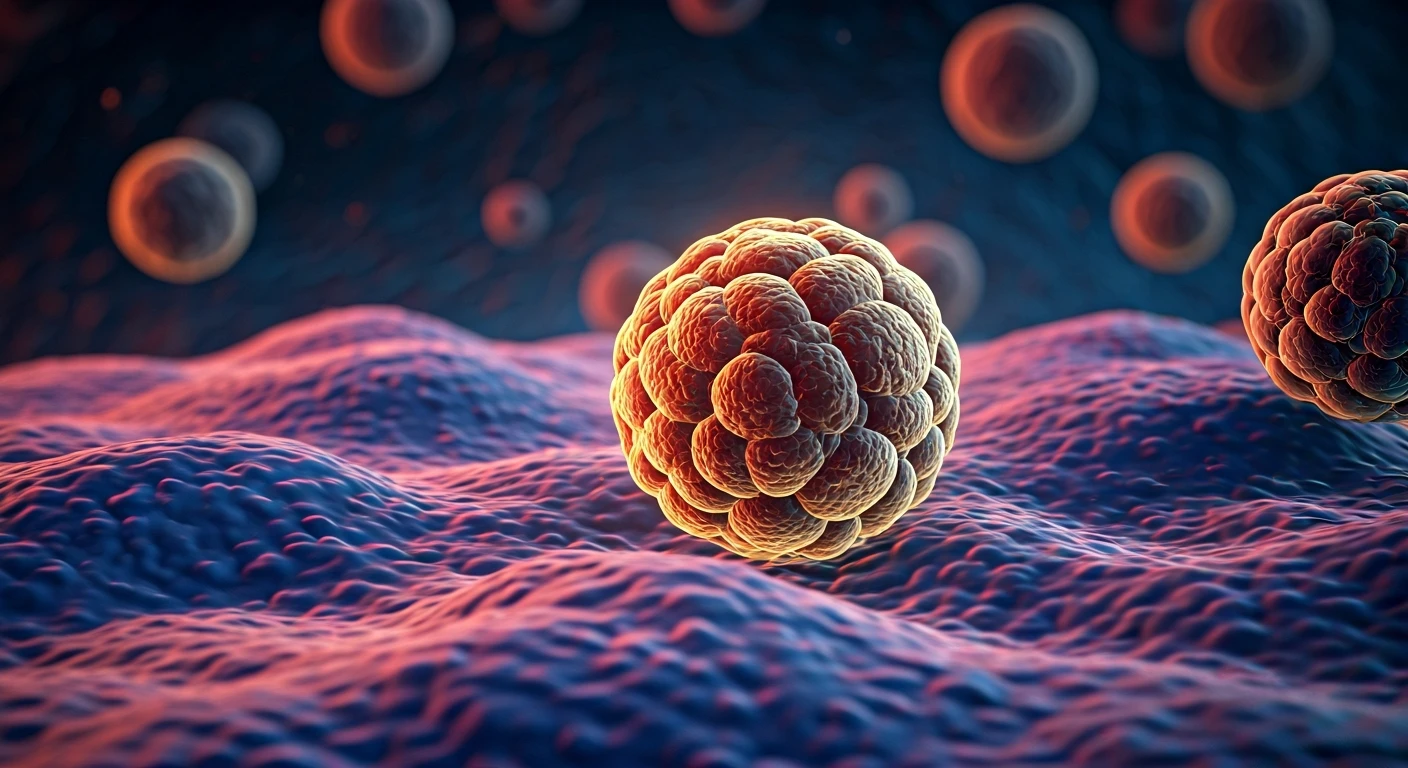
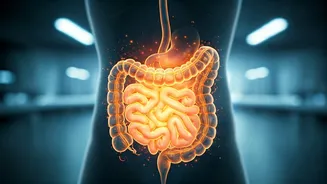
So, what changed? In a word: science. The last decade has seen an explosion of research into the gut microbiome—the trillions of bacteria and other microbes living in our digestive tracts. We now understand that a healthy, diverse gut microbiome is linked to everything from a stronger immune system and better mental health to a lower risk of chronic diseases. And what do these beneficial gut bacteria eat? You guessed it: fiber. Specifically, soluble fiber acts as a prebiotic, or food for your good gut bugs. They ferment it, creating compounds called short-chain fatty acids (SCFAs) that have powerful anti-inflammatory and health-promoting effects throughout the body. Suddenly, eating fiber isn't just about bowel movements; it's about actively cultivating a healthy internal ecosystem. This reframing turned fiber from boring bulk into a sophisticated tool for modern wellness.
More Than Just Digestion
The benefits of fiber's comeback tour extend far beyond the gut. Its original claims still hold true, but we now appreciate a much wider range of advantages. Soluble fiber, found in oats, beans, and apples, helps lower cholesterol and stabilize blood sugar by slowing down digestion—a crucial benefit in a country battling high rates of heart disease and type 2 diabetes. Insoluble fiber, found in whole wheat and nuts, adds bulk and promotes the movement of material through your digestive system. Both types of fiber also contribute to satiety, that feeling of fullness that helps with weight management. It’s a multitasking nutrient that addresses several of modern America’s most pressing health concerns in one simple, food-based package.
How to Get in on the Trend
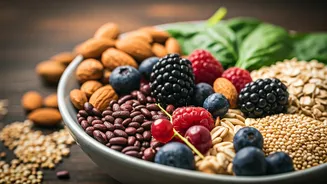
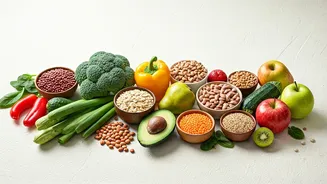
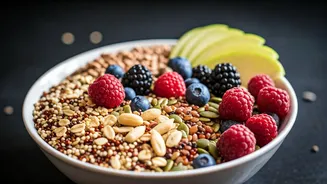
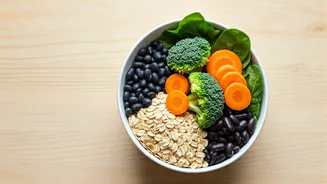
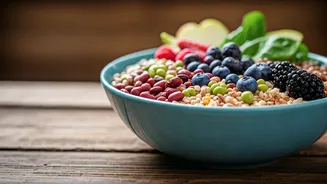
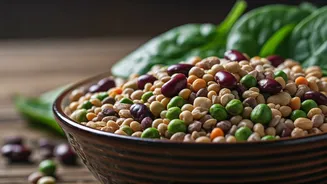
Joining the fiber renaissance doesn't require a radical diet overhaul or a return to tasteless muffins. It's about small, delicious additions. Start by swapping your white bread for a hearty whole-grain sourdough. Sprinkle chia seeds or flaxseeds into your yogurt or smoothie. Add a can of chickpeas or black beans to your weekly salad or soup. Snack on a handful of almonds, an apple (skin on!), or some raspberries instead of processed snacks. The goal isn’t perfection; it’s progress. The recommended daily intake is about 25 grams for women and 38 for men, but most Americans get less than half of that. Even adding an extra 5-10 grams per day can make a noticeable difference.