



First, Understand the Risk
Before we dive into the solutions, let’s be clear about the problem. Exercising in extreme heat puts you at risk for serious heat-related illnesses like heat exhaustion and heatstroke. Symptoms can escalate quickly from muscle cramps and nausea to confusion
and loss of consciousness. The Centers for Disease Control and Prevention (CDC) warns that high humidity is especially dangerous because it prevents sweat from evaporating, hindering your body's natural cooling process. Pushing through a run when the heat index is in the triple digits isn’t a sign of toughness; it’s a gamble with your health. The smartest move you can make is to bring your workout inside.
Embrace the World of Streaming Fitness
The digital fitness boom has placed a world-class gym right in your living room. Whether you have 15 minutes or an hour, there’s a streaming workout for you. Platforms like Peloton, Apple Fitness+, and a universe of YouTube channels offer everything from high-intensity interval training (HIIT) and dance cardio to guided strength sessions. The variety is key to staving off boredom. You can try a kickboxing class one day and a calming yoga flow the next, all without stepping into the oppressive heat. Many services offer free trials, making it easy to sample different styles and instructors until you find what clicks.
Go Low-Impact, High-Reward
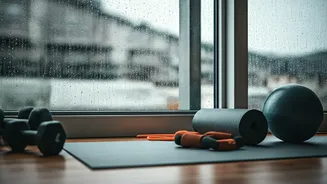
A heatwave can be the perfect excuse to focus on the types of movement you might normally skip. Low-impact workouts like Pilates, yoga, and mobility training are incredibly beneficial for building core strength, improving flexibility, and preventing injury. These practices are less about generating a massive sweat (though you still will) and more about control, precision, and mind-muscle connection. You don’t need much space or equipment—a yoga mat is often enough. Incorporating these routines can help your body recover and build a more resilient foundation for when you do return to your higher-impact outdoor activities.
Master the Bodyweight Basics
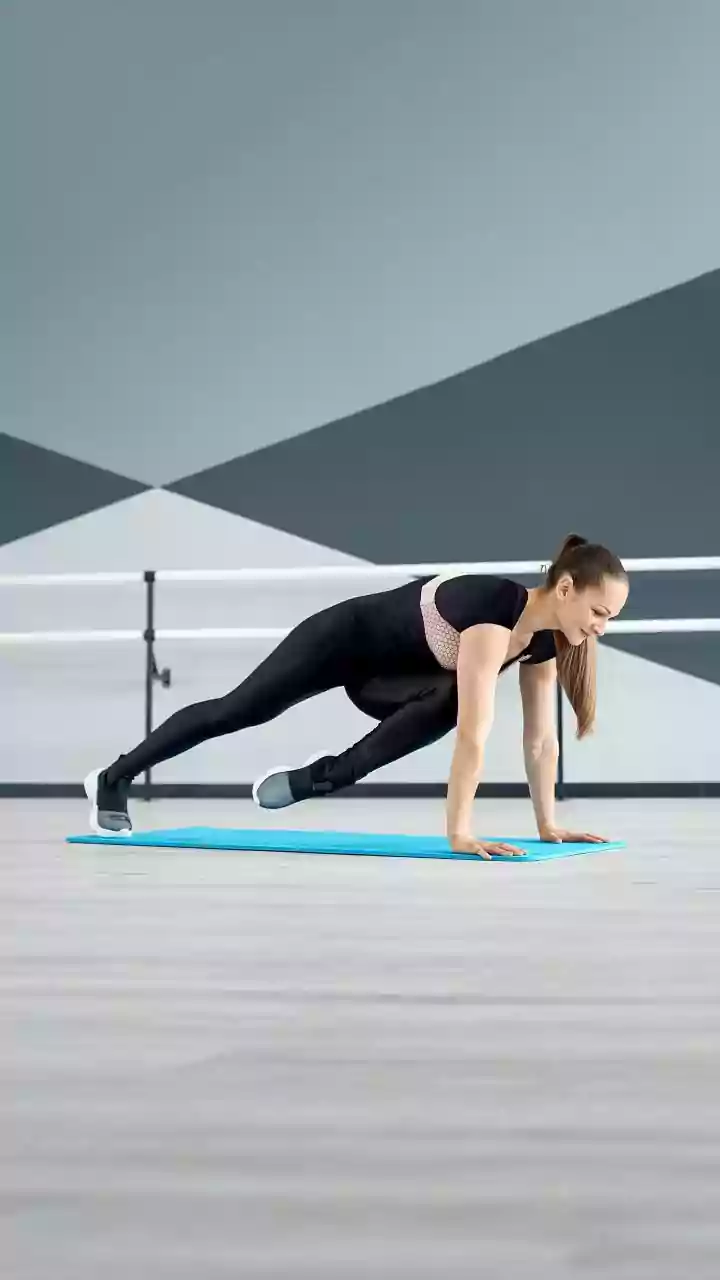
You don't need a rack of dumbbells to get a phenomenal workout. Your own body is a powerful resistance tool. Foundational exercises like squats, push-ups, lunges, planks, and glute bridges can be combined into an effective full-body circuit. To increase the challenge, you can manipulate the tempo (slowing down the movement), increase the repetitions, or reduce rest time. A simple “Every Minute on the Minute” (EMOM) workout—for example, performing 10 squats and 5 push-ups at the start of each minute for 10 minutes—is a brutally efficient way to build strength and cardiovascular endurance without any equipment at all.
Get Creative with Your Space and Gear
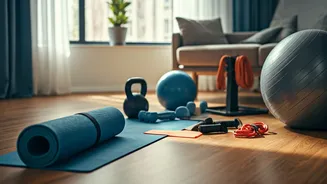
Think of your home as a flexible fitness space. A sturdy chair can be used for tricep dips or Bulgarian split squats. A small patch of clear floor is all you need for burpees or a core circuit. If you have simple, versatile equipment like resistance bands or a single kettlebell, the possibilities multiply. Bands are perfect for activation exercises and adding resistance to glute bridges and squats, while a kettlebell can provide a full-body workout with swings, goblet squats, and presses. The goal is to see the potential in what you have, not focus on what you lack.
Don't Forget Hydration and Fueling
Even though you’re exercising indoors in a climate-controlled environment, hydration remains critical, especially during a heatwave when your body is already working harder to stay cool throughout the day. Keep a water bottle handy during your workout and continue to sip fluids afterward. It's also a good idea to replenish electrolytes if you've had a particularly sweaty session. Pairing your indoor fitness plan with smart hydration and nutrition will ensure your body has the resources it needs to recover and adapt, leaving you feeling energized instead of depleted.