
Embrace the Statement Plant
Let’s start by reframing the goal. You are not trying to recreate the Amazon rainforest in a 6x4 space. You are creating a single, stunning vignette. The easiest way to do that is with one large, architectural statement plant. Instead of ten tiny, nervous-looking
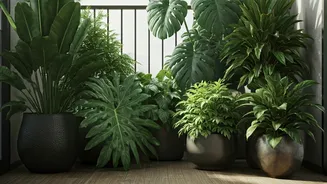
pots of herbs, invest in one significant plant that commands attention. Think of a tall, slender fiddle-leaf fig (if you have the light and patience), a spiky and un-killable snake plant, or a lush bird of paradise. Placing one large plant in a beautiful pot instantly anchors the space and makes it feel intentional. It’s the visual equivalent of a great piece of art. This single decision eliminates a dozen smaller, more stressful ones and provides an immediate, high-impact dose of green drama.
Play with Height and Levels
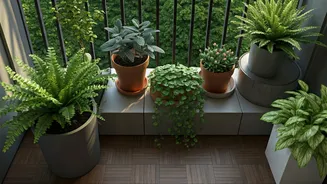
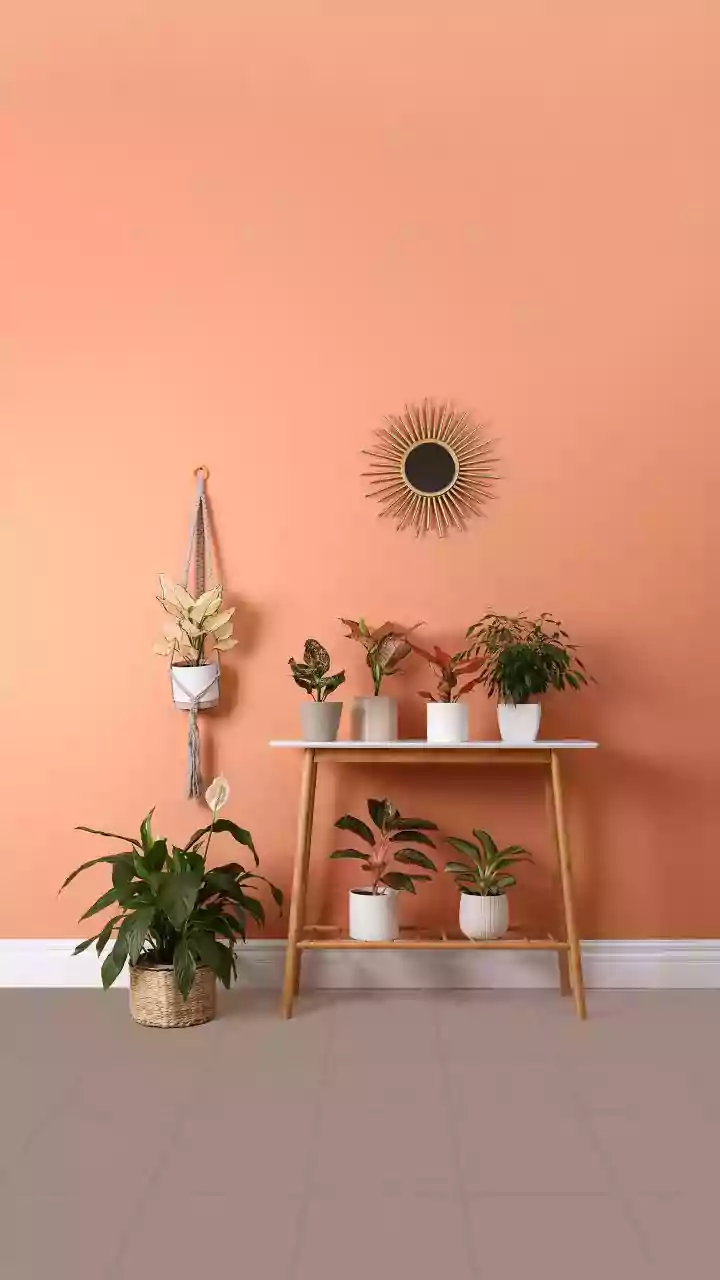
A flat surface filled with pots of the same height is visually boring. Drama comes from variety and movement. Think like a set designer and create different levels for the eye to explore. Use a mix of tall, upright plants; mid-level bushy fillers; and cascading trailers. A tall ornamental grass in the back, a pot of lush ferns on a plant stand, and a trailing sweet potato vine spilling over the edge of a container create a dynamic, layered look. You don’t need a ton of plants to achieve this, just three or four well-chosen ones arranged thoughtfully. Simple tiered plant stands or even stacking a couple of elegant bricks can elevate a pot and completely change the composition of your balcony garden.
Commit to a Color Story
When in doubt, simplify your palette. A chaotic explosion of clashing flower colors can make a small space feel busy and cluttered. For maximum drama, commit to a disciplined color story. The easiest and most sophisticated option is a monochromatic green palette. Choose plants with varying shades and textures of green—from the deep, waxy green of a ZZ plant to the silvery-green of an olive tree and the chartreuse of a creeping jenny. This approach forces you to focus on form and texture, resulting in a look that’s lush, serene, and incredibly chic. If you must have flowers, try a simple two-color scheme, like green and white (think white hydrangeas and bacopa) or green and purple (purple fountain grass and lavender).
Let It Spill and Climb
The most dramatic balconies feel like they’re being reclaimed by nature in the most stylish way possible. Encourage this feeling by letting things spill, trail, and climb. Trailing plants are your best friend here. English ivy, string of pearls, or pothos can be trained to cascade over railings, soften the hard edges of pots, and create a sense of abundance. A simple trellis against a wall can host a climbing jasmine or clematis, drawing the eye upward and making the space feel taller and more immersive. This “overgrown” look isn’t about neglect; it’s about curating a wild, romantic atmosphere. It blurs the lines between your balcony and the world beyond, transforming it into a private, leafy escape from the city.
Focus on Foliage and Texture
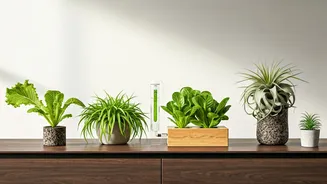
Flowers are fleeting, but foliage is forever (or at least for the whole season). Prioritizing interesting leaves over temporary blooms is the secret to a balcony that looks good from spring through fall. Texture is the unsung hero of garden design. Combine the broad, smooth leaves of a canna lily with the delicate, feathery fronds of an asparagus fern. Contrast the sharp spikes of a yucca with the soft, velvety leaves of a lamb's ear. This interplay of textures adds a layer of sensory richness and visual complexity that is far more captivating and enduring than a simple pop of floral color. It’s what separates a basic planter from a truly designed space.