




More Than Just a Rainstorm
First, let's be clear: the Indian monsoon isn't just a few weeks of bad weather. It's a massive, seasonal weather system that sweeps across the subcontinent from roughly June to September, delivering over 70% of the country's annual rainfall. This isn't your
average drizzle. These are powerful, sustained deluges that can transform dry riverbeds into raging torrents and trigger widespread disruption. The system is both a lifeline and a menace. It's essential for agriculture and replenishing water supplies, but its intensity often overwhelms infrastructure. For travelers, this means the difference between a scenic journey and a logistical nightmare can change overnight based on a single meteorological alert.
The Geography of Disruption
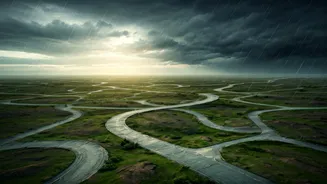
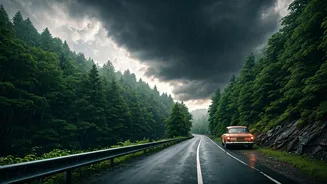
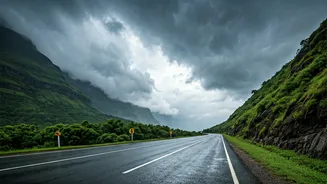
Not all of India is affected equally, and knowing the hotspots is key. The Himalayan states in the north, like Himachal Pradesh and Uttarakhand, are particularly vulnerable to flash floods and catastrophic landslides that can wash away entire sections of mountain roads, trapping tourists for days. Popular trekking routes and pilgrimage sites often shut down with little notice. Coastal regions, including tourist favorites like Goa and Kerala, experience intense rainfall and rough seas, making beach activities unsafe and sometimes leading to localized flooding. Meanwhile, major metropolises like Mumbai and Delhi face a different challenge: urban flooding. Drains are quickly overwhelmed, leading to waterlogged streets that bring traffic to a standstill and can shut down airports and train services.
How Your Itinerary Can Unravel
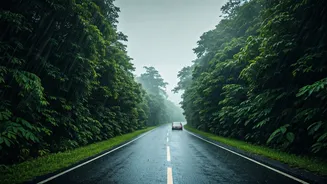
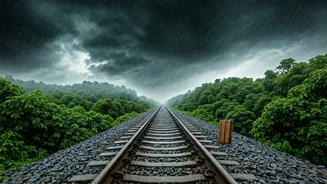
The phrase "changing travel plans daily" is not an exaggeration. A red or orange alert from the India Meteorological Department (IMD) can trigger a chain reaction. Airlines may delay or cancel flights to affected airports. The Indian Railways might reschedule or divert trains away from flooded tracks. Bus services, especially in hilly areas, are often the first to be suspended. This unpredictability makes a tightly packed itinerary nearly impossible to maintain. That scenic train ride you booked through the mountains? It could be canceled. The drive from one city to another? The highway might be impassable. Even wildlife safaris are impacted, as many national parks close all or parts of their zones during the monsoon due to muddy tracks and animal migration patterns.
A Traveler's Monsoon Survival Guide
Traveling during the monsoon doesn't have to be a disaster, but it requires a different mindset. Flexibility is your most important asset. Instead of a rigid schedule, build in buffer days. If you have a flight to catch, plan to arrive in the departure city a day or two early. Secondly, get good travel insurance that specifically covers trip interruptions and cancellations due to weather. Monitor IMD alerts and local news religiously. Apps like Skymet Weather provide reliable, real-time updates. Pack smart: lightweight, quick-drying clothes, waterproof bags for electronics, sturdy non-slip footwear, and an effective insect repellent are non-negotiable. Finally, always have a Plan B. Know alternative routes or be prepared to stay in one place longer than expected.
So, Should You Even Go?
After all these warnings, you might wonder if it’s worth it. For the prepared traveler, the answer can still be yes. The trade-off for the potential chaos is a uniquely beautiful version of India. The landscapes are impossibly green and vibrant, waterfalls are at their most majestic, and the searing summer heat has subsided. It’s also the low season, which means fewer crowds and lower prices for flights and accommodation. Regions like Rajasthan, which receive significantly less rainfall, can be excellent monsoon destinations. The key is to choose your locations wisely, avoid the highest-risk zones, and embrace a slower, more spontaneous style of travel. The monsoon rewards patience and penalizes rigidity.