



1. The Quest for Deeper Meaning
The pandemic forced a global pause, prompting many to reevaluate what truly matters. For a growing number of travelers, the answer isn't another poolside margarita, but an experience that challenges, changes, and connects them to the world in a more profound
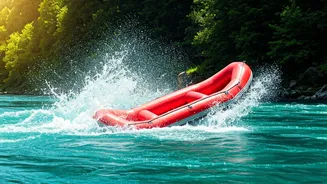
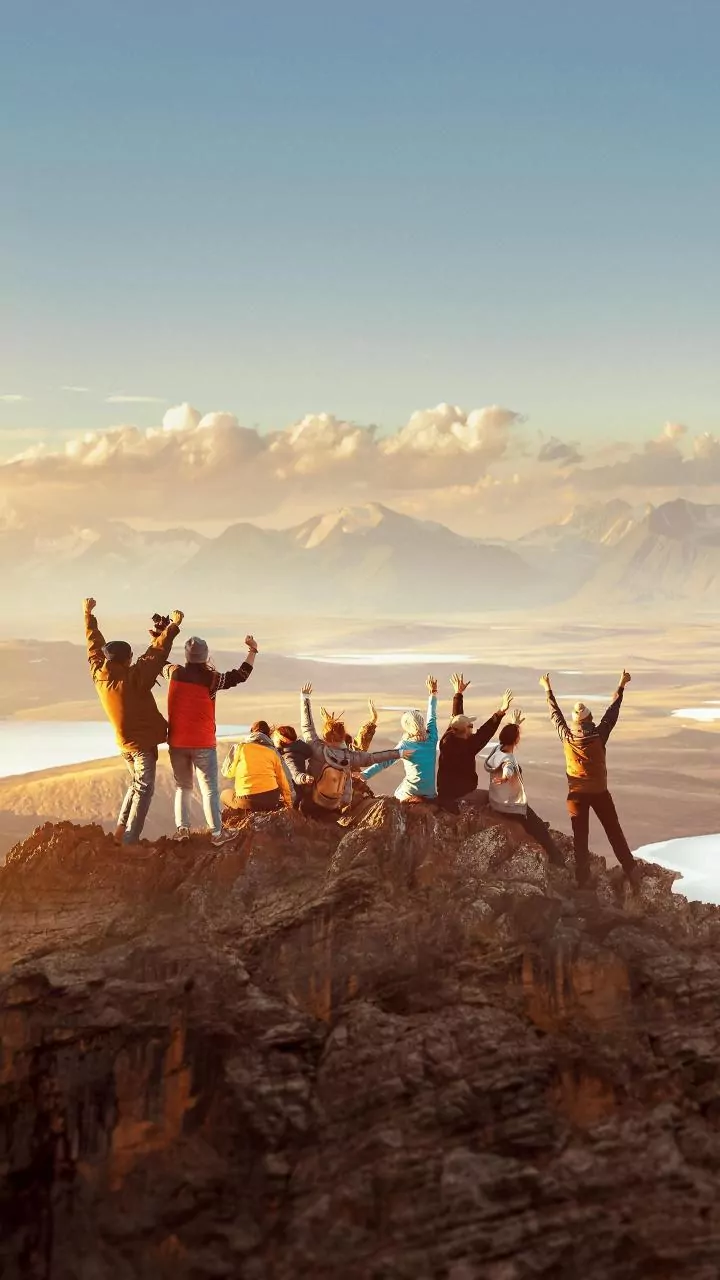
way. This isn't just 'revenge travel'; it's 'purposeful travel.' People are cashing in their savings and vacation days for trips that offer a sense of accomplishment, whether it’s summiting a peak in Patagonia, learning to scuba dive in Belize, or completing a multi-day trek through a national park. The new travel currency isn't luxury for its own sake, but memories forged through effort and engagement.
2. Nature as the Ultimate Reset Button
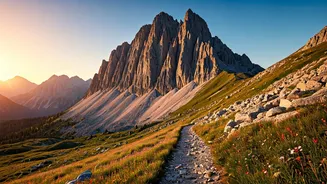
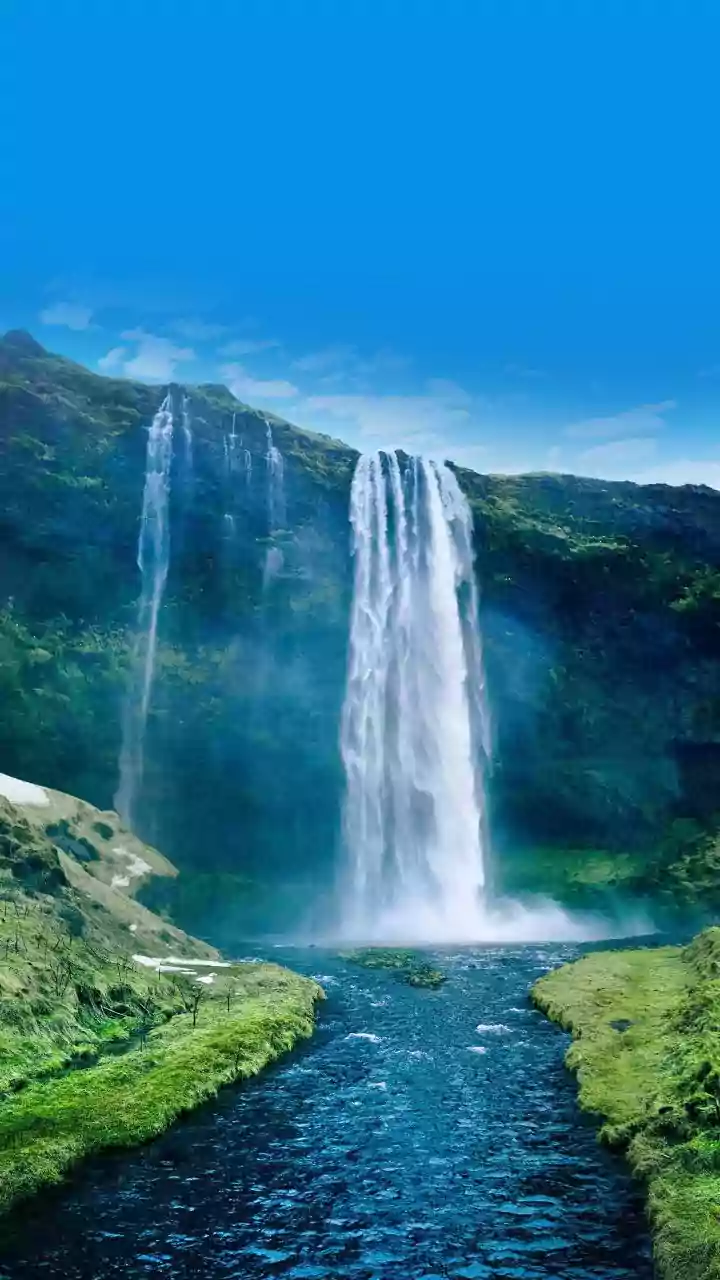
Being cooped up indoors created an intense, collective craving for open spaces. This has translated directly into a boom for nature-based adventure. Tour operators report soaring demand for trips centered on hiking, kayaking, and wildlife spotting. National parks are seeing record interest, and travelers are increasingly seeking out remote landscapes to disconnect from the digital noise of daily life. This isn't about roughing it in a tent (though that’s popular, too). It’s about the restorative power of the outdoors—the mental clarity that comes from a long hike, the awe of seeing a whale breach, or the simple peace of a sky full of stars, far from city lights. The goal is a digital detox and a sensory reset.
3. The Bucket List Is No Longer on the Back Burner
The fragility and unpredictability of the past few years taught us a crucial lesson: 'someday' is not a guarantee. This realization has ignited a 'carpe diem' approach to travel planning. Ambitious, once-in-a-lifetime trips are no longer being deferred for retirement. Instead, travelers in their 30s, 40s, and 50s are booking the big ones now. Think expeditions to Antarctica, gorilla trekking in Rwanda, or climbing to Everest Base Camp. The mindset has shifted from 'we’ll do it eventually' to 'if not now, when?' This urgency is fueling a surge in bookings for complex, logistically challenging adventures that people once only dreamed of.
4. 'Soft Adventure' Makes It Accessible for Everyone
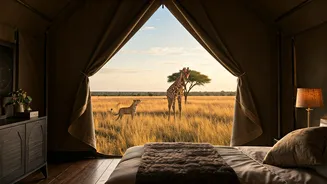
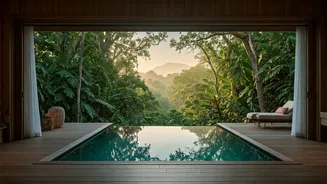
You don’t have to be a seasoned mountaineer to join the revival. One of the biggest trends is the rise of 'soft adventure,' which pairs physical activity with comfort and convenience. This could mean e-biking through Italian wine country by day and staying in a luxurious villa by night, or joining a guided nature walk from a high-end eco-lodge in Costa Rica. These trips remove the intimidating barriers to entry—like navigating unfamiliar terrain or carrying heavy gear—while still providing an authentic, active experience. It’s the perfect middle ground for those who want to push their boundaries a little without sacrificing a hot shower and a comfortable bed.
5. The Solo Traveler Joins the Group
The desire for adventure is strong, but planning a complex trip alone can be daunting. This has led to a massive increase in solo travelers booking spots on small-group adventure tours. Companies like Intrepid Travel and G Adventures specialize in curating these experiences, handling all the logistics, safety measures, and accommodations. For the traveler, it offers the best of both worlds: the freedom of going solo combined with the camaraderie and security of a group. It’s an easy and increasingly popular way to visit remote destinations, meet like-minded people, and have a built-in community to share the journey with.