



The Pre-Arrival Digital Paper Chase
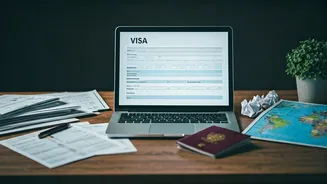
The single biggest change in modern travel is the proliferation of mandatory digital pre-arrival forms. Long gone are the days of simply showing up with a valid passport. Many countries now require travelers to submit information online days or even weeks
before their trip. The most prominent example is the upcoming European Travel Information and Authorisation System (ETIAS), set to launch in 2025 for visitors from visa-exempt countries, including the United States. It will require an online application and a small fee. Japan has its “Visit Japan Web” service for digitizing immigration and customs forms, and numerous other destinations have similar requirements. These systems are designed to streamline security and data collection, but for the traveler, it’s one more critical item on an already-long checklist. Forgetting this step doesn't just mean a delay; it can mean being denied boarding altogether.
Your Phone Is the New Front Desk
Your smartphone has officially become the most essential travel accessory, and not just for maps and photos. It's now your ticket, your key, and your guide. Airlines aggressively push their apps for mobile boarding passes, flight updates, and in-flight entertainment. Train systems across Europe and Asia rely on QR codes stored in their proprietary apps. Hotels encourage mobile check-in and digital room keys. This app-centric ecosystem creates a new layer of admin. You need to ensure you have the right apps downloaded, that you’ve created accounts, and that your payment information is loaded *before* you’re standing at a train station turnstile with a weak Wi-Fi signal. It also raises questions about battery life and data access, making a portable power bank and a reliable international data plan non-negotiable parts of your travel kit.
The Reservation Is the New Reality
Spontaneity, once the hallmark of a great adventure, is becoming a luxury. In the post-pandemic travel boom, demand has overwhelmed supply, leading to a new, reservation-first culture. Want to see the Mona Lisa at the Louvre? You’ll need a timed-entry ticket booked weeks in advance. Hoping to hike a popular trail at a U.S. National Park like Arches or Glacier? You may need a vehicle reservation secured months prior via a competitive online lottery system. The same goes for top-rated restaurants, which now release reservations a month out, only to be snapped up in minutes. This shift forces travelers to plan their itineraries with near-military precision. The freedom to wander and discover has been replaced by the need to schedule and confirm, turning vacation planning into a strategic game of booking Tetris.
How to Manage the Travel Admin
While the extra work is undeniable, it’s manageable with the right approach. Start by creating a “master document” for your trip in a notes app or a simple spreadsheet. For each destination, list the entry requirements (visas, digital forms) and their deadlines. Create a dedicated email folder for all travel-related confirmations. About a week before your trip, download all necessary airline, hotel, and transit apps. Log in and ensure your tickets and reservations are visible. For attractions, research booking windows and set calendar reminders. Don't try to see and do everything; prioritize a few key experiences and book them first. Consolidating your information in one place reduces the mental load and ensures you won't miss a critical step while juggling multiple tabs and apps.