






More Than Just a Souvenir
For decades, the typical travel souvenir was a mass-produced magnet, a generic t-shirt, or a keychain destined for a junk drawer. But for a growing number of Gen Z and millennial travelers, that model feels hollow. They aren’t just looking for a memento;
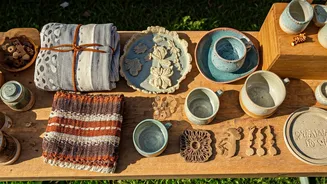
they’re hunting for a story. This shift in values is breathing vibrant new life into an old-school institution: the local craft market. Walk through a weekend market in cities from Austin to Portland, or even in smaller towns with a creative streak, and the demographic shift is palpable. Alongside longtime locals, you’ll find stylish twenty-somethings and young families browsing stalls of hand-thrown ceramics, small-batch hot sauce, and upcycled clothing. This isn't just about shopping—it’s an integral part of the travel experience itself, prioritized as much as a landmark or a famous restaurant. It's a deliberate rejection of the generic in favor of the personal.
The Quest for Authenticity and Connection
So, what’s driving this trend? At its core is a deep-seated desire for authenticity. In a world saturated with digital noise and algorithm-driven recommendations, the tactile, real-world experience of a market is a powerful antidote. Here, travelers can meet the person who made their new favorite coffee mug or learn the story behind a unique piece of jewelry. That direct connection transforms an object from a simple commodity into a meaningful keepsake. This search for authenticity is intertwined with a growing commitment to conscious consumerism. Younger generations are acutely aware of the environmental and ethical failings of fast fashion and mass production. Choosing to buy from a local artisan is a vote for sustainability, a way to support a small business, and an investment in a local creative economy. Instead of a faceless transaction, it’s a personal one that feels good and does good, aligning their spending with their values even while on vacation.
Curated for the Social Feed
Of course, it’s impossible to ignore the influence of social media. Platforms like TikTok and Instagram have played a huge role in aestheticizing the craft market experience. The #fleamarkethaul and #craftfair tags are filled with videos of young shoppers showing off their unique finds—vintage denim, quirky art prints, and handmade home goods. The visual appeal of a well-curated stall or a beautifully crafted object is perfectly suited for a photo-centric world. But it's not just about showing off. Social media acts as a discovery engine, with local influencers and travel bloggers pointing their followers to the best under-the-radar markets. This creates a feedback loop: travelers see a market featured online, visit it, and then share their own content, further amplifying its reach. The market itself becomes a photogenic backdrop, a place to see and be seen, blending the lines between cultural exploration and content creation.
A New Generation of Makers
The energy flows both ways. The influx of young shoppers is being met by a new wave of young makers who are choosing craft markets as their primary storefront. For many creative entrepreneurs, setting up a booth is a low-overhead way to launch a brand, test products, and build a direct relationship with customers. The staid craft fairs of the past, dominated by macrame owls and wood-burned signs, are now making room for vendors selling minimalist jewelry, edgy screen-printed totes, and artisan-roasted coffee. These new vendors understand their audience because they are their audience. They market their work skillfully on social media, create eye-catching booth displays, and foster a sense of community that extends beyond the market day. This infusion of new talent and fresh aesthetics ensures the markets feel relevant and dynamic, preventing them from becoming stale relics and instead positioning them as incubators of local culture and commerce.