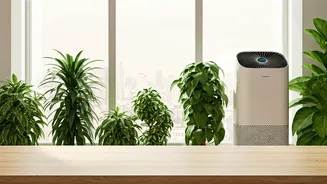









The Invisible Threat Indoors
Indoor air pollution isn't just dust and pet dander. The primary culprits are often invisible chemicals called Volatile Organic Compounds (VOCs). These gases are released from a surprising number of everyday items: paints, cleaning supplies, new furniture,
mattresses, carpets, and even air fresheners. Common VOCs include formaldehyde and benzene, which can cause everything from headaches and dizziness to more serious long-term health issues. In our tightly sealed, energy-efficient city apartments, these compounds have nowhere to go, building up to levels the Environmental Protection Agency has found can be two to five times higher than typical outdoor concentrations.
Why City Living Magnifies the Problem
Urban environments create a perfect storm for poor indoor air quality. Smaller living spaces mean a higher concentration of potential pollutants per square foot. In high-rises and dense apartment buildings, opening a window isn't always practical or desirable, leading to a reliance on HVAC systems that simply recirculate stale, chemical-laden air. This lack of natural ventilation traps VOCs released from your belongings, effectively creating a toxic bubble. The proximity to outdoor urban pollution also means residents are often hesitant to open windows, further compounding the issue of stagnant indoor air.
Start with Smart Ventilation
The single most effective strategy is also the simplest: ventilate. Whenever possible, open windows on opposite sides of your home to create a cross-breeze, even for just 15 minutes a day. This helps flush out accumulated pollutants. If opening windows isn't an option due to noise or outdoor air quality, invest in a high-quality air purifier with a HEPA filter, which is designed to capture fine particulate matter, and a carbon filter, which is crucial for absorbing VOCs and odors. Also, make a habit of using exhaust fans in your kitchen and bathroom to vent moisture and pollutants directly outside.
Choose Healthier Materials
What your home is made of matters. When renovating or redecorating, actively seek out low-VOC or zero-VOC products. This is especially critical for paint, which can off-gas for months after application. Look for paints with certifications like Green Seal or SCS Indoor Advantage Gold. For flooring, opt for solid materials like hardwood, cork, or tile instead of wall-to-wall carpeting, which can trap dust, allergens, and VOCs from its backing and adhesive. If you must have carpet, look for options made from natural fibers like wool and use low-VOC adhesive.
Furnish for a Fresher Home
That "new furniture smell" is often the scent of formaldehyde and other chemicals off-gassing from pressed wood, glues, and synthetic fabrics. When possible, choose furniture made from solid wood with natural, non-toxic finishes. If buying furniture made from composite wood (like MDF or particleboard), look for items labeled ULEF (ultra-low-emitting formaldehyde) or NAF (no added formaldehyde). For sofas and chairs, prioritize natural textiles like organic cotton, linen, and wool over synthetic, stain-resistant fabrics that have been treated with potentially harmful chemicals.
Bring Nature Inside (Thoughtfully)
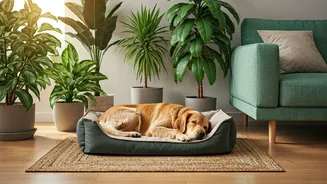
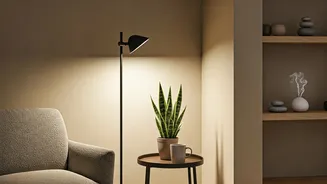
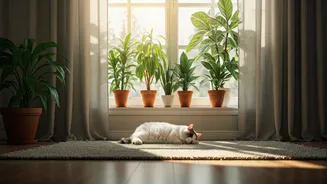
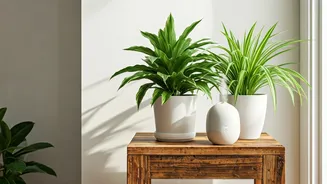
Houseplants are often touted as natural air purifiers, and while they do help, their impact can be overstated. You would need a veritable jungle to significantly clean the air in an entire room. However, they are still fantastic for improving well-being and adding a touch of nature. Focus on hardy, low-maintenance plants like Snake Plants, Spider Plants, and Pothos. Their primary benefit is psychological, but they do contribute modestly to a healthier environment. Just be sure to use well-draining soil to prevent mold, which is another common indoor air pollutant.