


A Legendary Road Reawakens
Every winter, the Manali-Leh Highway, a roughly 300-mile stretch of road connecting the Kullu Valley to the high-desert plateau of Ladakh, disappears under dozens of feet of snow. Its annual reopening is a feat of engineering and endurance. India's Border
Roads Organisation (BRO) works for months, battling avalanches and freezing temperatures to clear the route. When the final snow wall falls, usually in May, it signals the start of the adventure season. This strategic artery, vital for supplying military outposts near the Tibetan border, transforms into a bucket-list journey for motorcyclists, cyclists, and overlanders from across the globe. It's a temporary path to a world that feels completely removed from modern life, and its opening is a celebrated event for travelers itching for a true challenge.
More Than Just a Drive
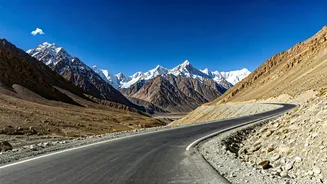
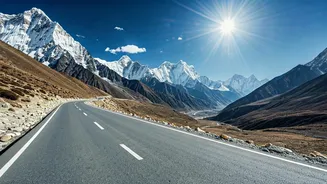
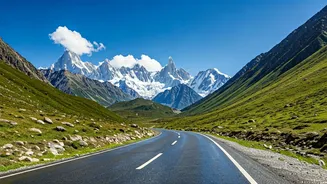
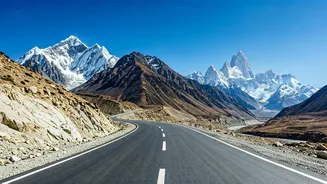
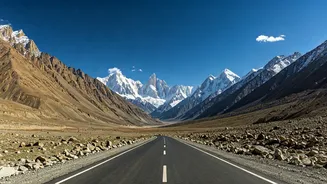
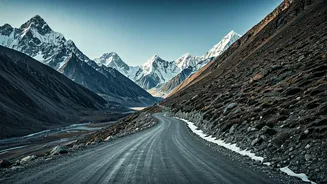
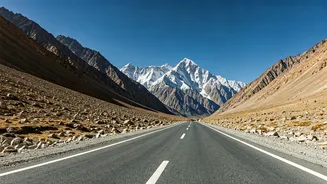
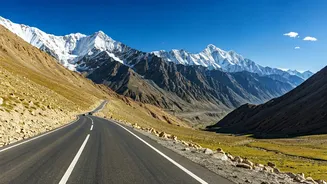
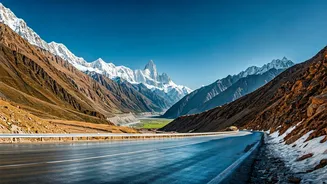
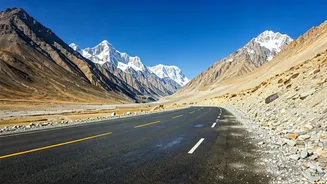
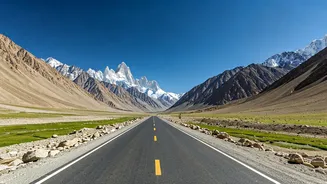
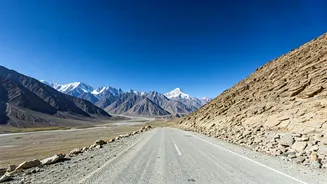
Calling this a 'road trip' is like calling Mount Everest a 'hike.' The journey is a high-altitude expedition that pushes both people and machines to their limits. Starting from the lush green hills of Manali, the highway climbs relentlessly, crossing multiple passes over 16,000 feet. The air thins, the landscape shifts from vibrant green to stark, breathtaking brown and gray, and the temperature can swing dramatically. Altitude sickness is a real and serious risk, demanding slow acclimatization. But the reward is an unparalleled sense of accomplishment and immersion in a truly epic landscape. You’re not just passing through; you're conquering a vertical world of stark mountains, glacial melts, and vast, empty skies. It’s a journey that redefines your sense of scale and resilience.
The High Passes of the Himalayas
The highway's character is defined by its five major passes, each a milestone in the sky. The journey begins with the Rohtang Pass, the gateway to the Lahaul and Spiti Valley, often shrouded in mist. Next is Baralacha La (16,040 ft), a barren crossroads where multiple trails once met. The Nakee La and Lachulung La passes follow in quick succession, leading to the Gata Loops, a dizzying series of 21 hairpin bends that climb up a desolate canyon wall. The final major ascent is Tanglang La. At a staggering 17,480 feet, it was once claimed to be the second-highest motorable pass in the world. Cresting each pass brings a wave of relief, pride, and another jaw-dropping vista, often marked by colorful Buddhist prayer flags fluttering in the relentless wind.
Sights, Sounds, and Prayer Flags
The Manali-Leh journey is as much a cultural experience as it is a physical one. As you move toward Leh, the landscape becomes more Tibetan in feel. The region of Ladakh is a stronghold of Tibetan Buddhism, and the route is dotted with ancient monasteries (gompas) clinging to cliffsides, whitewashed stupas, and mani walls carved with prayers. The ubiquitous prayer flags, strung across passes and bridges, are a constant reminder of the spiritual significance of the mountains. Roadside tent camps, known as dhabas, offer simple but life-sustaining meals of dal, rice, and Maggi noodles, providing a place for travelers to rest, share stories, and acclimatize. The journey culminates in Leh, a bustling town that serves as the capital of Ladakh and a base for further exploration.
Planning Your Himalayan Odyssey
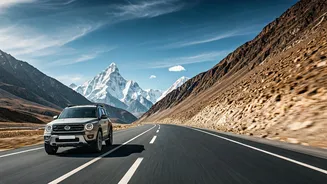
If this adventure is calling your name, planning is critical. The window to travel is short, typically from June to early October. Most travelers hire a Royal Enfield motorcycle or a rugged 4x4 with a driver in Manali or Delhi. Build at least two days into your itinerary for the Manali-Leh leg alone to allow for proper acclimatization, with an overnight stop in Jispa or Sarchu. Do not rush. Pack layers for all weather conditions—from scorching sun to freezing winds and potential snowfall, even in summer. While permits for Rohtang Pass are sometimes required for private vehicles, most foreign tourists traveling in hired vehicles will have this handled by their operator. The most important thing to bring is a sense of adventure and flexibility; on this road, the journey itself is the destination.