





Economic Reality and Shifting Priorities
For many members of Gen Z (born roughly between 1997 and 2012), the traditional American dream of homeownership and material accumulation feels increasingly out of reach. This generation entered adulthood in the shadow of the 2008 financial crisis and had their
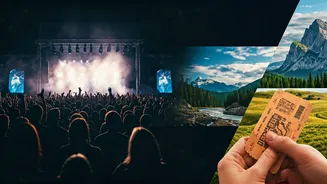
formative years disrupted by the COVID-19 pandemic, all while facing staggering student loan debt and wage stagnation. When major assets like a house feel like a distant fantasy, the logic of saving shifts. Rather than pouring money into a down payment that seems unattainable, many younger consumers are redirecting their discretionary income toward more immediate and achievable sources of joy and fulfillment. An international trip, festival tickets, or even a high-end dinner are tangible rewards that don't require a 30-year mortgage. This represents less a rejection of stability and more a pragmatic adaptation to a world where long-term financial goalposts have moved.
The Currency of Social Media
In a digitally native world, what you do is often more valuable than what you have. Experiences are the ultimate shareable content. A photo from a stunning travel destination or a video from a Taylor Swift concert generates more social currency—likes, comments, and engagement—than a new handbag or watch. Social platforms like Instagram and TikTok have created a powerful feedback loop where unique experiences are celebrated and amplified, turning personal memories into public statements of identity. This isn't just about showing off. It’s about participating in a shared cultural conversation. Being at the event, seeing the band, or visiting the viral location is a way to connect with peers and build community. In this context, spending on memories is also an investment in one's social and digital identity.
The Post-Pandemic Scramble for Life
The lockdowns and social distancing of 2020 and 2021 had a profound psychological impact, especially on young people whose social lives were abruptly put on hold. The period created a deep, collective craving for in-person connection and real-world activities. This pent-up demand has fueled what some have dubbed the “YOLO (You Only Live Once) Economy.” After being deprived of normal life, the value of going out, traveling, and gathering with friends skyrocketed. Many in Gen Z are now making up for lost time, displaying a willingness to spend significantly on experiences that were impossible just a few years ago. This reactive spending has accelerated a pre-existing trend, cementing the idea that life is unpredictable and opportunities for joy should be seized when they arise.
An Investment in Well-Being
Gen Z is a generation that speaks openly about mental health, burnout, and the importance of well-being. Compared to the fleeting satisfaction of a material purchase, experiences are increasingly seen as a direct investment in happiness and mental wellness. Studies on consumer happiness have long suggested that experiential purchases provide more enduring joy than material ones. The anticipation of an event, the experience itself, and the fond memories that follow contribute to a longer-lasting sense of fulfillment. For a generation contending with high rates of anxiety and stress, spending money on a trip that offers a mental reset or a concert that provides a euphoric escape can feel more like a necessity than a luxury. It’s a calculated choice to buy happiness, one memory at a time.