




The End of the 'Good Food' Myth
For years, wellness culture has been dominated by restriction. Whether it was cutting carbs, eliminating fat, or going fully plant-based, the focus was often on what *not* to eat. This created a moral hierarchy of foods—some 'good,' others 'bad'—and a cycle
of guilt and burnout for many. Now, a growing consensus among registered dietitians suggests this all-or-nothing approach is failing us. Instead of promoting rigid eating patterns that are difficult to maintain, experts are emphasizing inclusion and diversity. The new thinking isn't about finding one perfect 'superfood' or a magic-bullet diet; it's about building a broad, resilient foundation of nutrition that supports long-term health without the mental fatigue.
Feed Your Gut Like a Garden
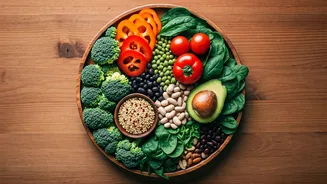
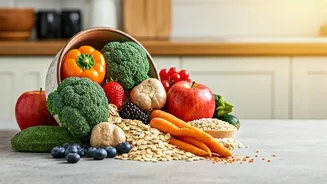
One of the biggest scientific drivers behind this shift is our growing understanding of the gut microbiome. Think of your gut as a complex garden, home to trillions of bacteria. Just like a garden thrives with a variety of plants, your gut microbiome flourishes when you feed it a wide range of foods. Different types of fiber from various fruits, vegetables, legumes, and whole grains act as 'fertilizer' for different strains of beneficial bacteria. A diet heavy in just a few foods, even healthy ones, is like only planting tomatoes in your garden—you miss out on the rich ecosystem that a more diverse environment provides. A varied microbiome is linked to a stronger immune system, better mood regulation, and a lower risk of chronic disease.
How to 'Eat the Rainbow' for Real
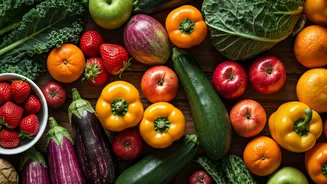
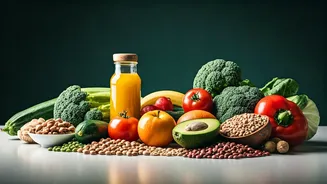
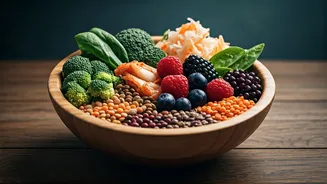
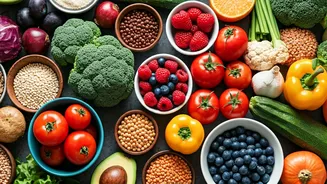
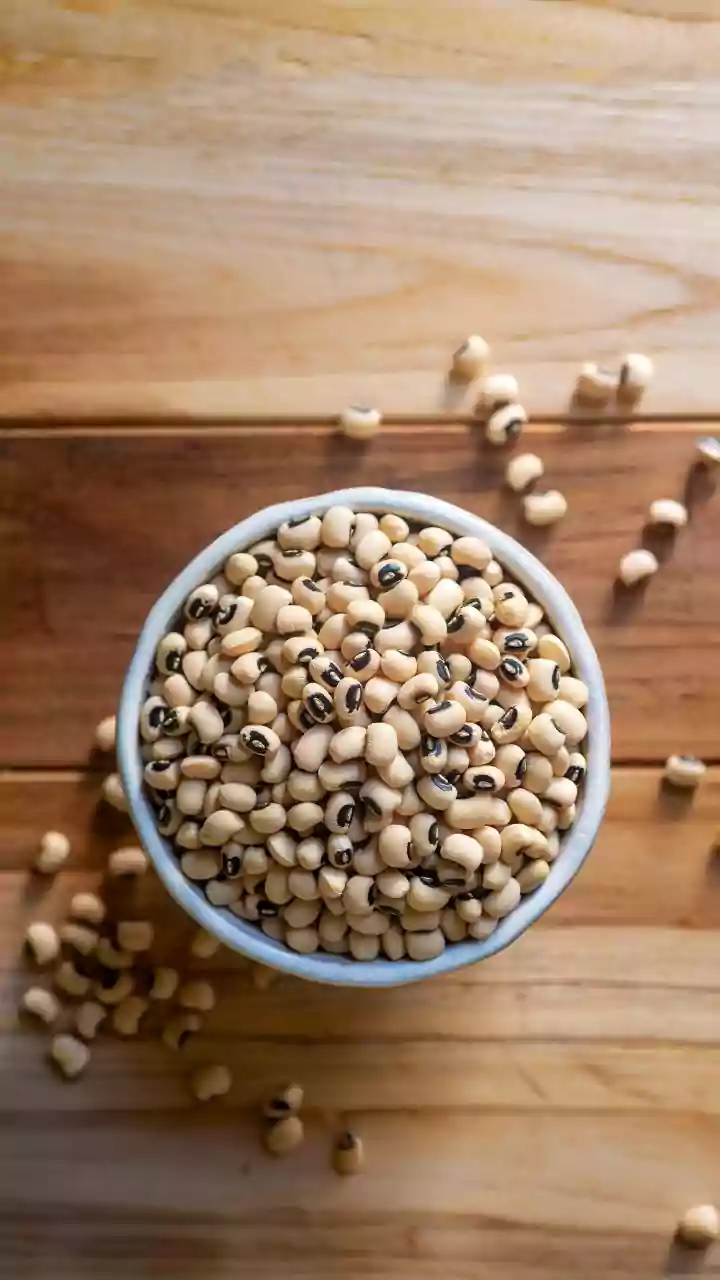
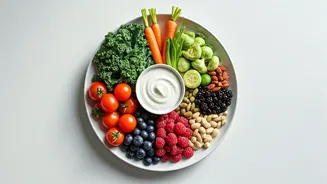
The advice to 'eat the rainbow' is classic, but dietitians are now framing it in a more practical way. It’s not about artfully arranging a perfect plate for Instagram. It’s about making small, consistent additions. Start by challenging yourself to buy one new fruit or vegetable each week. If you always buy broccoli, try cauliflower or bok choy. If apples are your go-to, grab a pear or some persimmons. This principle extends beyond produce. Stuck on chicken and salmon? Try incorporating lentils, chickpeas, tofu, or a different type of fish. Instead of only eating quinoa, explore other whole grains like farro, barley, or millet. The goal isn't perfection, but progress.
Breaking Out of Your Food Rut
Habit and convenience are the biggest enemies of dietary variety. We're busy, and defaulting to the same three to five dinners is easy. To gently nudge yourself out of a rut, try implementing low-effort strategies. Assign a loose theme to one night a week, like 'Meatless Monday' or 'New Recipe Thursday.' Another simple trick is to change where you get your inspiration. Instead of defaulting to the same aisle, try a different grocery store or visit a local farmers market, where seasonal produce can force you out of your comfort zone. Even something as simple as trying a new spice blend or a different cuisine's sauce can transform familiar ingredients and expand your palate, making variety feel like an adventure rather than a chore.
A Nutritional Safety Net
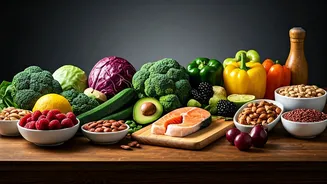
Eating a wide array of foods is your best insurance policy against nutrient deficiencies. No single food contains all the essential vitamins, minerals, and phytonutrients your body needs to thrive. For example, citrus fruits are famous for Vitamin C, but leafy greens provide Vitamin K, nuts offer Vitamin E, and fatty fish deliver Vitamin D. By rotating your food choices, you cast a wider nutritional net, ensuring you cover all your bases without having to meticulously track micronutrients. This approach builds a resilient body and fosters a healthier, less obsessive relationship with what's on your plate.