





Beyond 'Greenwashing' to Gold Standards
For years, travelers have been navigating a confusing landscape of eco-friendly claims. Hotels advertised reusing towels as a cornerstone of their environmental policy, a practice now widely seen as “greenwashing”—making superficial gestures without meaningful
impact. Today’s discerning traveler is pushing back, seeking proof over promises. This has fueled the rise of rigorous, third-party certifications. When you see a hotel is a Certified B Corporation, it means the entire company has met high standards of social and environmental performance, accountability, and transparency. LEED (Leadership in Energy and Environmental Design) certification signals a building constructed with sustainability in mind, from energy efficiency to water conservation. Other trusted labels like Green Globe and EarthCheck provide travelers with a verifiable shorthand, indicating that a property is genuinely committed to practices that go far beyond the laundry room.
Regenerative, Not Just Sustainable
The conversation around eco-conscious travel is evolving from sustainability to regeneration. While sustainability aims to maintain the status quo and do no harm, regeneration seeks to actively improve the local ecosystem and community. A sustainable hotel might use solar panels to reduce its carbon footprint. A regenerative hotel, however, might use its resources to fund a local reforestation project, restore a damaged coral reef, or reintroduce native species to its property. This approach reframes the traveler from a passive consumer to an active participant in positive change. The goal is to leave a place better than you found it. This philosophy is showing up in properties that integrate permaculture farms to supply their kitchens, invest in watershed restoration, and create conservation easements to protect land from future development.
Hyper-Local and Community-First
The all-inclusive resort, walled off from the surrounding area, is losing its appeal for many nature lovers. The new definition of a “better stay” is one that is deeply embedded in its local context. This means more than just decorating with local art; it means prioritizing the local economy and culture. Travelers are looking for properties that hire and promote local staff, partner with neighborhood guides for authentic tours, and source their food from nearby farmers and fishers. This approach not only provides a richer, more authentic experience for the guest but also ensures that tourism dollars directly benefit the people who call the destination home. By choosing these stays, travelers are investing in the cultural preservation and economic well-being of the places they love to visit, creating a more equitable and respectful model of tourism.
Low-Impact Design and Experiences
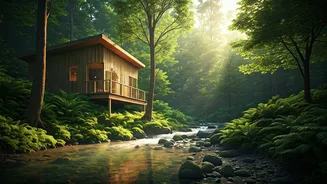
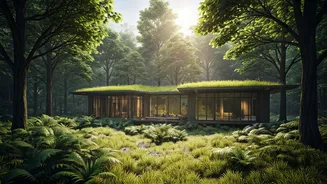
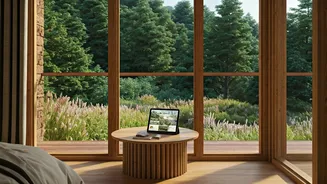
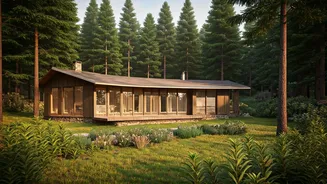
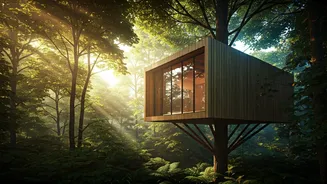
Big, flashy, and resource-intensive is out. Small, thoughtful, and integrated is in. The architecture of a “better stay” often mirrors its philosophy. We’re seeing a trend toward accommodations with a minimal physical and environmental footprint. This can mean anything from off-grid cabins and yurts that allow guests to feel immersed in nature, to lodges built with reclaimed materials and designed for natural ventilation, reducing the need for air conditioning. The focus is on blending in, not standing out. This minimalist ethos extends to the amenities and experiences offered. Instead of energy-guzzling wave pools, properties are highlighting natural swimming holes. Instead of elaborate buffets that create food waste, they offer curated menus based on what’s fresh and local. The luxury is no longer in excess, but in the quiet, intentional connection to the surrounding landscape.
The Rise of Conservation Tourism
For the most dedicated nature lovers, travel is becoming an opportunity to contribute directly to science and conservation. A growing niche of lodges and resorts are making research and education central to their guest experience. Imagine a stay where your morning activity isn't a yoga class, but a guided patrol with a sea turtle conservation group, or where your evening lecture is delivered by a resident biologist studying local bird populations. These are not passive vacations; they are active learning experiences. Properties in this category often partner with non-profits or research institutions, and a portion of their revenue directly funds conservation work. This model transforms a simple getaway into a purpose-driven journey, allowing travelers to play a small but meaningful role in protecting the world's wild places for generations to come.