



1. Sun-Rotten Wiper Blades
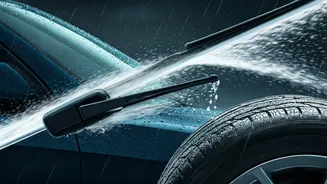
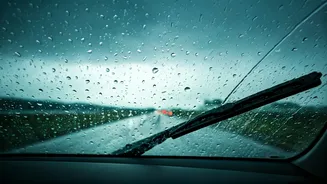
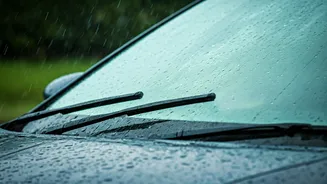
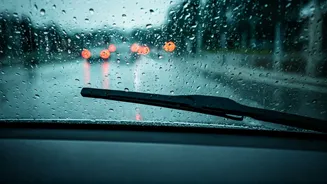
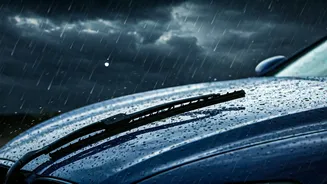
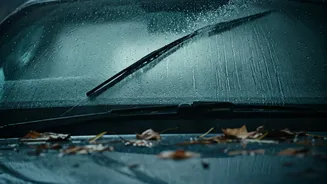
This is the most common and easily overlooked risk. Your wiper blades have been sitting idle, baking under intense UV rays for months. The rubber becomes brittle, cracked, and loses its flexibility. They might look fine, but the moment a torrential downpour
hits, they'll either fail to clear the windshield effectively, leaving dangerous streaks, or the rubber will tear away from the arm completely. This leaves you effectively blind in the worst possible conditions. Don’t just check if they turn on; physically inspect the rubber for cracks and stiffness. Pinch the blade and run your fingers along the edge. If it feels hard or you see tiny fissures, replace them. It's a cheap fix that can prevent a serious accident.
2. The Hydroplaning Risk in Your Tires
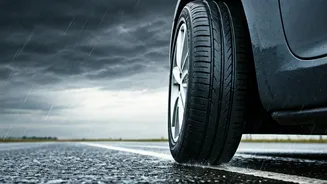
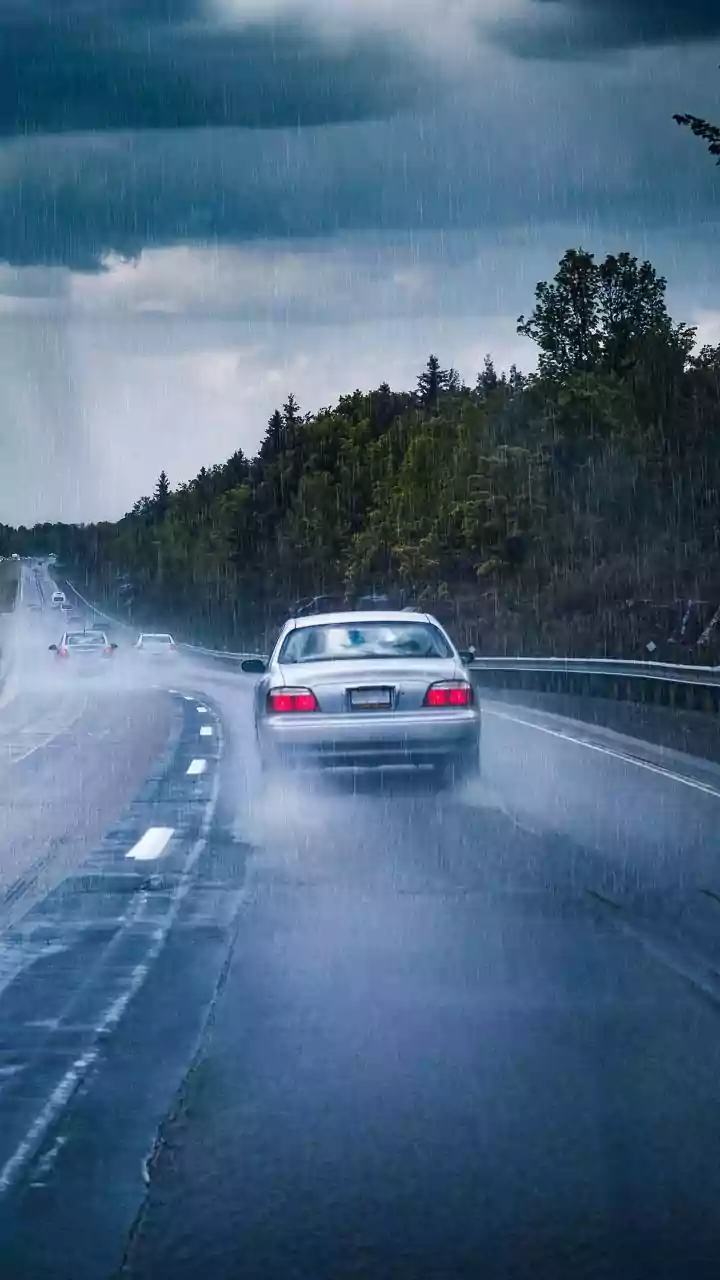
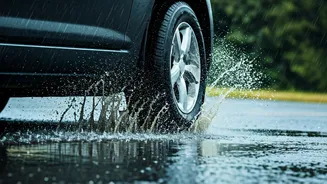
You know to check your tire pressure, but monsoon season is all about tread depth. The deep grooves in your tires are designed to channel water away, keeping the rubber in contact with the road. When the tread is worn down, that water has nowhere to go. Instead, your car can lift onto a thin film of water, a terrifying phenomenon known as hydroplaning where you lose all steering and braking control. This can happen at speeds as low as 35 mph with worn tires. Use the classic penny test: insert a penny into your tread with Lincoln’s head upside down. If you can see all of his head, your treads are too shallow for wet conditions and it's time for new tires. Don't gamble with this one.
3. Dust-Clogged Air Filters
Monsoon storms are often preceded by a “haboob,” or a massive wall of dust. This dust gets sucked directly into your car’s engine and cabin air filters. A clogged engine air filter can reduce horsepower and fuel efficiency, making your car feel sluggish just when you need responsive acceleration. More importantly for your comfort and safety, a clogged cabin air filter can cripple your air conditioning system’s ability to defog the interior of your windshield. When the rain hits and humidity skyrockets, a fogged-up windshield can be just as blinding as a torrential downpour. Swapping out both filters is a simple, quick job you can often do yourself.
4. Weakened Battery Connections
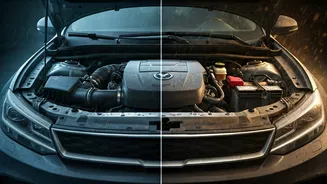
The dry, hot months can accelerate corrosion on your car's battery terminals, appearing as a white or blueish powdery substance. While your car might start just fine in dry weather, a monsoon storm puts a massive strain on your electrical system. You’re running headlights, high-speed wipers, and the AC on full blast simultaneously. That extra demand can be too much for a weak connection, causing your car to stall without warning—potentially in the middle of a flooded intersection. Pop the hood and look at the terminals. If you see corrosion, you can clean it off with a wire brush and a mixture of baking soda and water. A solid, clean connection is critical for weather-related reliability.
5. Hazy, Oxidized Headlights
Just like your wiper blades, your plastic headlight covers have been getting blasted by the sun. Over time, this causes them to oxidize, creating a foggy, yellowed haze that severely restricts the amount of light that gets through. A monsoon storm brings incredibly low visibility, and dim headlights make it much harder for you to see the road—and for other drivers to see you. You might not notice the degradation on a well-lit city street, but on a dark, rain-swept road, it's a huge liability. You don't necessarily need to replace them; a headlight restoration kit can often polish the plastic back to clarity in under an hour, dramatically improving your nighttime visibility.
6. Compromised Window and Door Seals
The rubber seals around your doors, windows, and windshield also suffer from sun damage. They can become brittle and shrink, creating small gaps that you'd never notice in dry weather. When the deluge arrives, these gaps can allow water to seep into your car, leading to musty smells, mildew, and potential damage to interior electronics. A leak around the windshield seal is particularly dangerous, as it can channel water directly onto the fuse box or other critical electrical components under the dashboard. Take a moment to visually inspect the black rubber seals. If they look cracked or are pulling away from the frame, it’s a sign they may no longer be watertight.