



1. Move to Higher Ground
This is the most critical and immediate step. If you live in a low-lying area, near a river, or in a region prone to flash floods, don't wait for the water to rise. Move your vehicle to the highest ground possible well before the storm hits. Parking garages
are a great option, but focus on the second level or higher; the ground floor can still flood. If you're parking on a street, avoid parking under large trees, which can drop heavy limbs in high winds, or near storm drains, which can get overwhelmed and create localized flooding.
2. Check Your Insurance Coverage
Do not assume your auto insurance covers flood damage. Basic liability and collision policies typically do not. You need comprehensive coverage, often called "other than collision," to be protected against natural disasters like floods, hail, and falling trees. Before the storm is on your doorstep, pull up your policy documents or call your agent. Understand your deductible and what's covered. If you don't have comprehensive coverage, you unfortunately won't be able to add it once a storm is named and threatening your area, as insurers will issue a moratorium on new policies or changes.
3. Inspect Wipers, Tires, and Seals
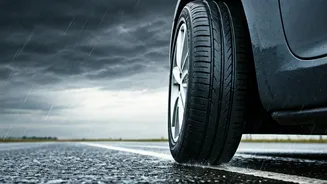
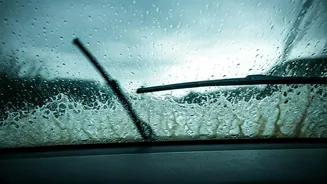
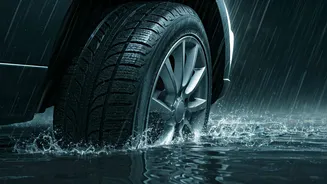
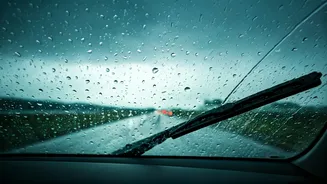
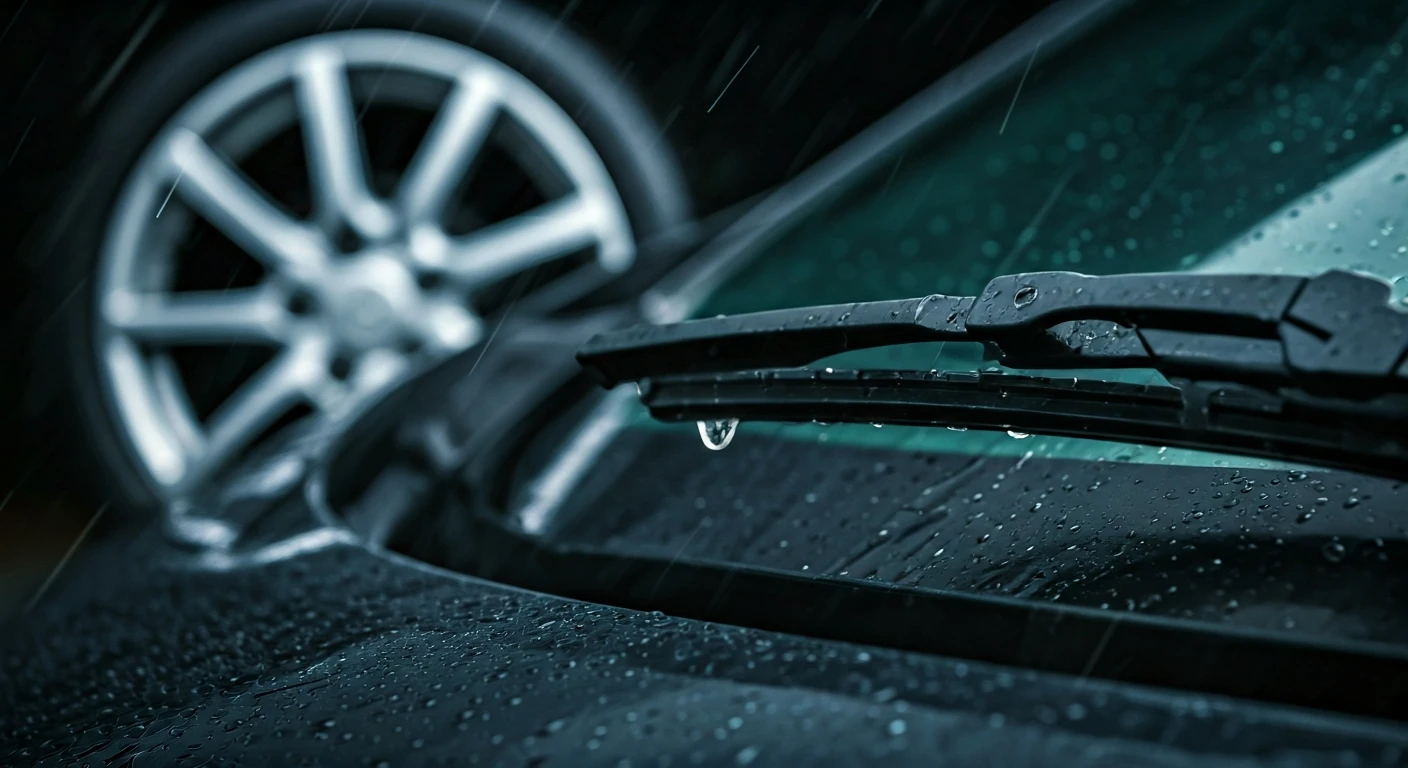
Your car’s first line of defense against water is its own equipment. Check your windshield wipers to ensure they aren't cracked or brittle. Poor visibility is a leading cause of accidents in heavy rain. Inspect your tire tread; worn tires can't channel water away effectively, leading to hydroplaning. Finally, take a quick look at the rubber seals around your doors, windows, and sunroof. If they are cracked or damaged, water can seep in, causing mold, mildew, and electrical problems long after the storm has passed. These are simple, inexpensive checks that make a huge difference.
4. Secure Important Documents
If your car is damaged, the last thing you want to do is hunt for paperwork. Gather your vehicle's title, registration, and insurance information. Make digital copies by taking photos with your phone and uploading them to a secure cloud service. If you keep the original documents in your glove compartment, consider moving them to a waterproof bag or container inside your home, especially if your vehicle is parked in a vulnerable location.
5. Fuel Up (or Charge Up)
Heavy rains and storms can lead to power outages and make travel difficult. Gas stations may close or run out of fuel. Before the storm arrives, fill up your gas tank. This ensures you can evacuate if necessary or simply run your car to charge a phone if the power is out for an extended period. For electric vehicle owners, the same logic applies: charge your vehicle to 100%. A full battery gives you the maximum possible range and flexibility in an emergency.
6. Never Drive Through Standing Water
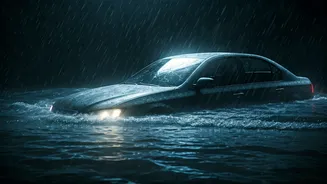
This rule cannot be overstated. It is impossible to tell how deep standing water is. Just six inches of water can reach the bottom of most passenger cars, causing loss of control and possible stalling. A foot of water will float many vehicles, and two feet of rushing water can carry away most vehicles, including SUVs and pickups. The water may also hide downed power lines or washed-out sections of road. If you encounter a flooded roadway, remember the mantra: "Turn around, don't drown." It’s not worth the risk to your life or your vehicle.