





The Classic Safari Gets an Upgrade
For years, India’s wildlife tourism circuit has been dominated by a handful of celebrated national parks—Ranthambore, Kanha, Bandhavgarh—all famous for their relatively high chances of spotting a Bengal tiger. This 'tiger-centric' approach, while successful,
created hotspots of tourism pressure, leaving vast, equally stunning ecosystems overlooked. Now, a new generation of travelers, both international and domestic, is looking for something more. They're seeking deeper, more immersive experiences that go beyond a single iconic species. This shift is driven by a growing awareness of biodiversity, a desire for more sustainable and community-focused travel, and frankly, the thrill of exploring the unknown. The new Indian safari isn't just about what you see; it's about how and where you see it.
1. The Hunt for the 'Ghost of the Mountain'
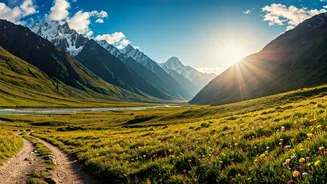
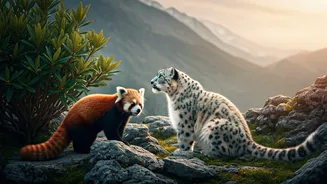
Forget the hot, dusty plains. Head to the cold, high-altitude deserts of Ladakh in the Himalayas. Here, the ultimate prize is a glimpse of the snow leopard, one of the most elusive and mythical big cats on the planet. This isn't a drive-through safari. It's a true expedition. Travelers partner with local trackers and stay in village homestays, contributing directly to the communities that are the frontline of snow leopard conservation. The days are spent patiently scanning windswept mountain ridges with binoculars, and the experience is as much about understanding the starkly beautiful landscape and the resilient Ladakhi culture as it is about the animal itself. A sighting is never guaranteed, which makes it all the more profound when it happens.
2. Finding the Real-Life Firefox
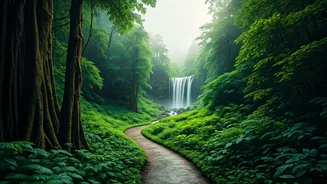
In India’s eastern corner, nestled between Nepal and Bhutan, is Singalila National Park. This is the realm of the red panda. Often mistaken for a raccoon or a tiny bear, this adorable arboreal mammal spends its days munching on bamboo in the misty rhododendron forests. Tracking red pandas involves guided treks through verdant hills with stunning views of Kanchenjunga, the world's third-highest peak. This kind of specialized, slow-paced tourism supports the preservation of a unique Himalayan ecosystem that is also home to clouded leopards and Himalayan black bears. It's a quiet, contemplative experience that feels a world away from the crowded convoys of safari jeeps.
3. Herping in the Western Ghats
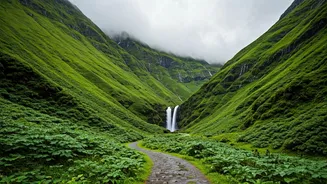
Who needs fur when you can have scales? The Western Ghats, a UNESCO World Heritage site running down India's southwestern coast, is a global biodiversity hotspot, particularly for amphibians and reptiles. A growing 'herping' trend sees travelers join expert naturalists on night walks to find neon-green pit vipers, bizarre-looking gliding frogs, and the incredibly rare purple frog. It’s a fascinating, macro-level adventure that reveals a hidden world that comes alive after dark. This form of tourism highlights the ecological importance of creatures often overlooked or feared, turning conservation into a thrilling treasure hunt in the rainforest.
4. Exploring the Last Untouched Forests
For the truly adventurous, there’s the northeastern state of Arunachal Pradesh, home to Namdapha National Park. This is one of India's last great wildernesses, a place so remote and biologically diverse that it’s the only park in the country with four species of big cats: tigers, leopards, clouded leopards, and snow leopards. It's also home to the Hoolock Gibbon, India’s only ape. Getting here is a journey in itself, and exploring the park requires serious trekking and camping. This isn't a luxury trip; it's a raw, authentic immersion into a primeval landscape. It represents the frontier of Indian wildlife travel, attracting those who want to see a place that remains largely untouched by the modern world.