



More Than a Music Festival
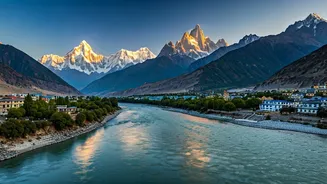
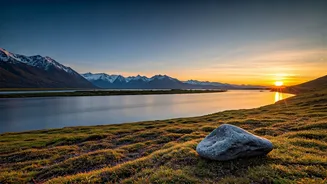
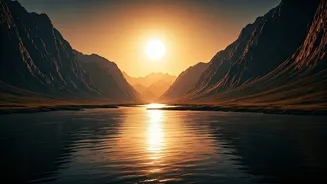
Forget Coachella's flower crowns and Glastonbury's mud. The Sindhu Darshan, held in the stunningly stark landscape of Leh, is an entirely different pilgrimage. Established in the late 1990s, the festival was conceived to promote national unity and celebrate
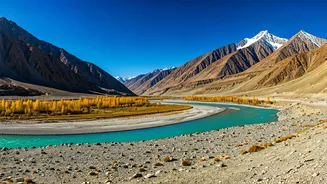
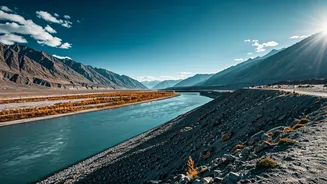
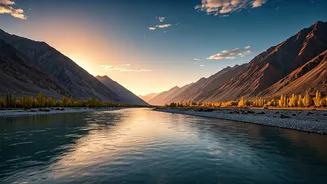
the Indus River, or Sindhu, as the cradle of one of the world's oldest civilizations. For three days, the riverbank transforms into a vibrant showcase of India’s diverse cultures. Artists, dancers, and musicians from various states perform, turning the site into a living mosaic of the country's heritage. The centerpiece is a ritual where participants bring water from their home rivers to merge with the Indus, symbolizing a confluence of cultures and a shared identity. It’s a celebration rooted in history, nature, and a sense of collective belonging.
The Powerful Mystique of Ladakh
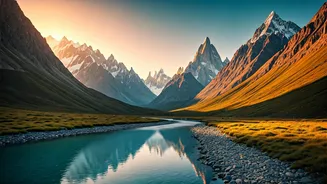
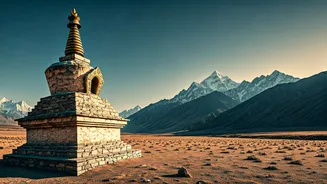
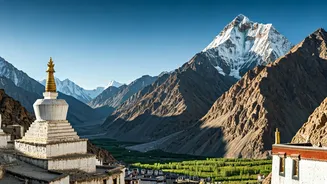
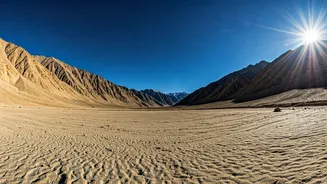
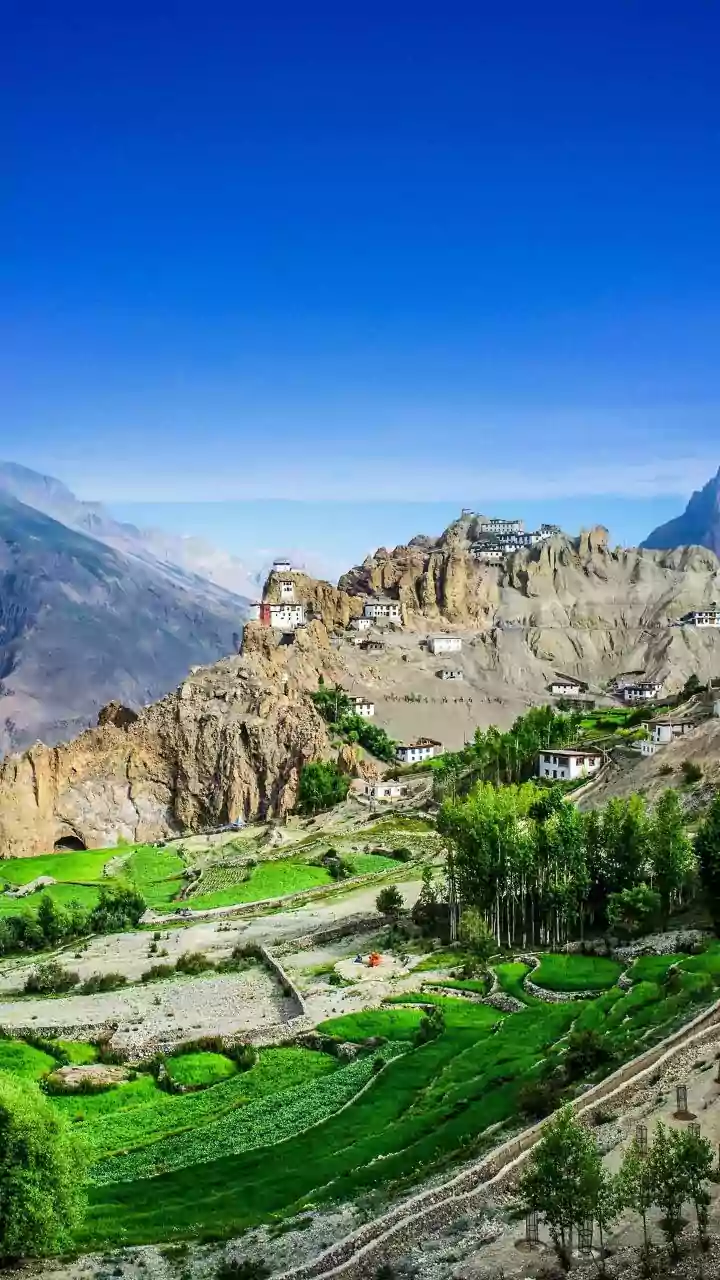
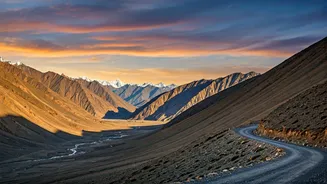
To understand the festival's appeal, you first have to understand its location. Ladakh, often called "Little Tibet" or "The Land of High Passes," is not an easy place to reach. A remote, high-altitude desert cradled by the Himalayas, its stark beauty and thin air have long attracted adventurers and spiritual seekers. The landscape itself demands a certain presence and mindfulness. Dotted with ancient Buddhist monasteries clinging to cliffsides, the region feels profoundly spiritual, a world away from the noise of modern life. For wellness leaders—a group often looking to escape the hyper-commercialized, L.A.-centric version of their own industry—Ladakh offers an immediate sense of authenticity. The journey is part of the experience, a physical and spiritual shedding of the non-essential before one even arrives at the river.
A Search for Authentic Roots
The modern wellness movement, for all its matcha lattes and meditation apps, is in a constant search for something real. There's a growing fatigue with trends that feel disconnected from their origins. This is where Sindhu Darshan resonates so deeply. The festival is not a modern invention designed for tourists; it’s a celebration of a river that has sustained civilizations for millennia and is considered sacred in ancient Vedic texts. Attending isn't about learning a new breathing technique; it's about plugging into an ancient, powerful current of cultural and spiritual energy. For the “elite wellness thinkers”—the authors, retreat leaders, and dedicated practitioners who shape the industry’s conversations—being here is a form of field research. It’s about experiencing the source code of traditions they may have only encountered in books or diluted workshops back home.
The Convergence of Old and New
The gathering isn’t a formal conference with name tags and keynote speakers. Instead, it’s an organic convergence. The festival acts as a gravitational center, pulling in people who are already exploring the region’s rich spiritual offerings. They may be in Ladakh for a silent meditation retreat at Thiksey Monastery, a yoga intensive in Leh, or a trek through the Himalayas. The Sindhu Darshan becomes a focal point of their journey, a place to connect with both a grand cultural tradition and like-minded seekers from around the world. Here, conversations about non-duality and gut health can happen against the backdrop of a 5,000-year-old river, creating a unique synthesis of ancient wisdom and contemporary wellness discourse. It’s this blend of the timeless and the timely that makes the event a bellwether for where the wellness world is heading: away from fleeting fads and toward profound, place-based experiences.