



Meet the New Indian Traveler
For decades, Indian travel was often framed around family pilgrimages or formal, pre-planned holidays. Today, that picture is being redrawn by Millennials and Gen Z. Fueled by a growing economy, rising disposable incomes, and the rise of budget airlines,
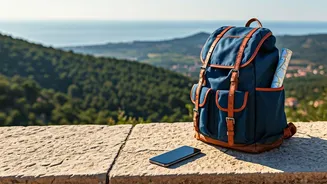
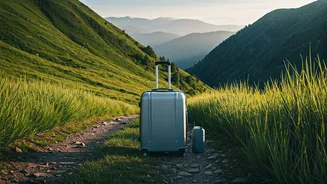
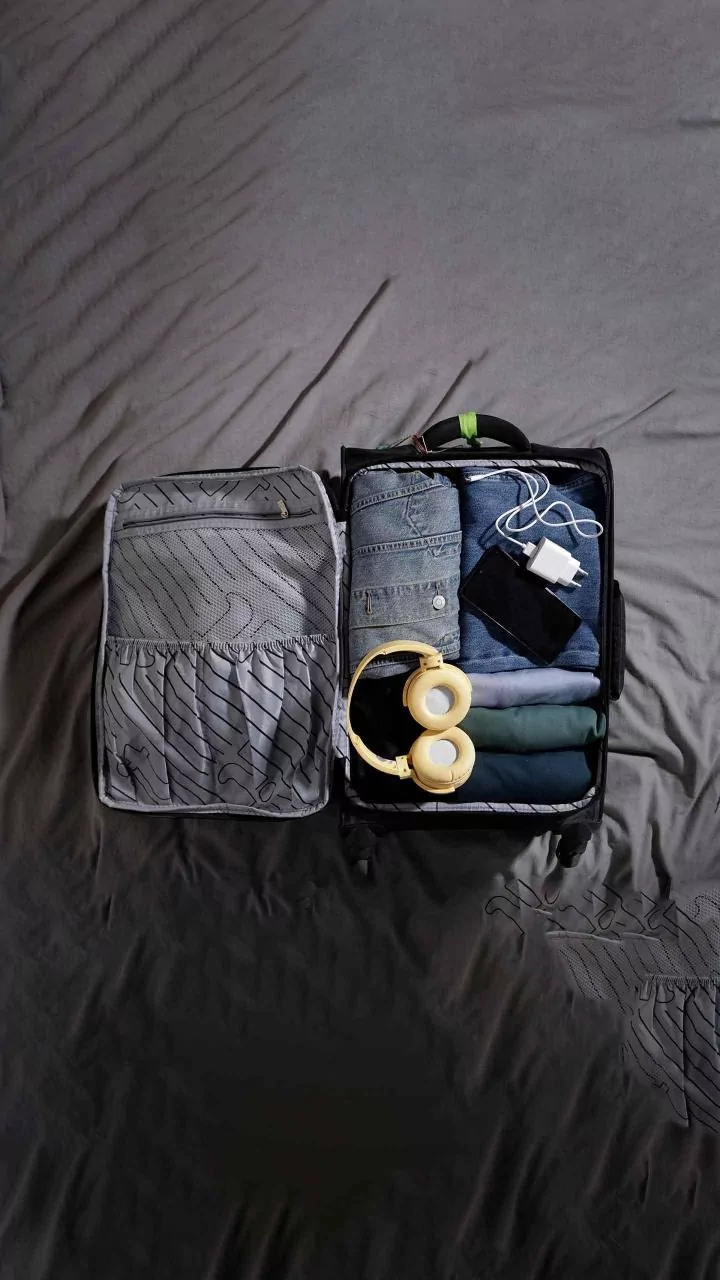
a new generation is exploring their country and the world with unprecedented freedom. They are weekend trekkers, digital nomads working from Goa's beaches, and solo adventurers backpacking through Southeast Asia. This isn't just a vacation; it's a lifestyle built on mobility and experience. And this new lifestyle has created a new consumer need. They aren’t just packing for a trip; they’re dressing for a life in motion. The old wardrobe, filled with heavy traditional wear or delicate fast fashion, simply can't keep up.
The End of the “Use and Throw” Mentality
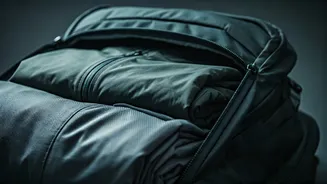
The demand isn't for more clothes, but for better ones. Young Indian consumers are increasingly moving away from the churn of fast fashion toward what's being called “performance wear” or “technical apparel.” They want clothing that works as hard as they do. Think fabrics that are moisture-wicking for a humid Mumbai afternoon, wrinkle-resistant for being stuffed in a backpack, and quick-drying after an unexpected monsoon shower. Pockets are no longer a bonus; they're a requirement for stashing a phone, passport, and power bank. The aesthetic is clean, minimalist, and versatile—a single pair of pants that looks sharp enough for a cafe in Bangalore but is flexible enough for a hike in the Western Ghats. It’s the ultimate rejection of the single-use outfit, favoring investment pieces that deliver tangible benefits beyond the fleeting high of a new trend.
From the Himalayas to the Boardroom
This trend has created a massive opening in the Indian market, and both global and local brands are scrambling to fill it. Japan's Uniqlo, with its focus on minimalist, high-tech “LifeWear,” has been a major beneficiary, expanding rapidly across India’s metros. Its HEATTECH and AIRism lines are precisely what this new consumer is looking for. But it’s not just about international giants. A host of domestic, direct-to-consumer brands are emerging, speaking the language of functionality and local pride. They are creating travel jackets with a dozen hidden pockets, convertible trousers that turn into shorts, and merino wool basics that can be worn for days without odor. This isn't just about borrowing from Western outdoor brands like Patagonia or The North Face; it's about adapting that philosophy for an Indian context, creating a hybrid style that is both globally aware and locally relevant.
Why Global Retail Should Pay Attention
For American and European brands, this shift is more than just a distant trend; it's a crucial case study. India is home to the world's largest youth population, making it a bellwether for future global consumer behavior. The values driving this clothing revolution—utility, sustainability, and a move from ownership to experience—are universal. Young Indians are not just adopting global trends; they are interpreting them, adapting them, and creating a new synthesis that is uniquely their own. Companies that succeed in this market are the ones that understand that consumers don't want to be told what to wear. Instead, they want to be given the tools to build a wardrobe that enables their ambitious, mobile, and adventurous lives. What's happening in India today is a preview of the consumer landscape of tomorrow.