



Understanding the Monsoon Season
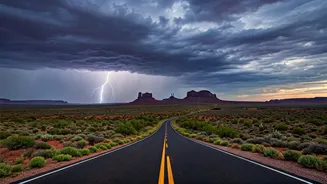
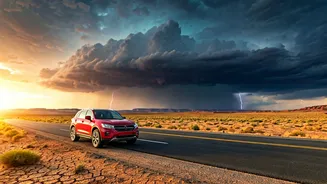
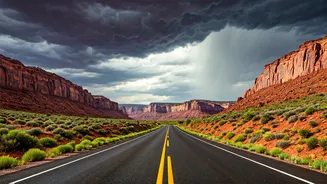
From roughly mid-June through September, the American Southwest experiences the North American Monsoon. This isn't a gentle, all-day drizzle. Instead, it’s a dramatic weather pattern characterized by a shift in winds that pull moisture up from the Pacific
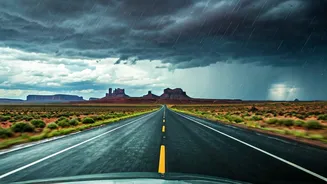
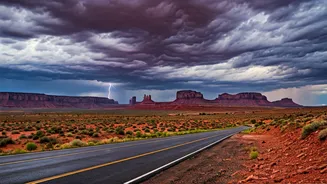
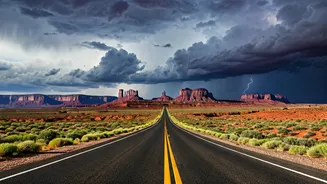
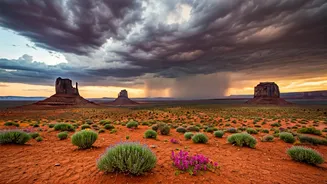
Ocean and Gulf of Mexico. The result? Hot, sunny mornings that can suddenly give way to spectacular afternoon thunderstorms. These storms are often localized, intense, and brief, bringing heavy rain, crackling lightning, and strong winds. For travelers, this means a road trip that’s less about predictable sunshine and more about embracing a dynamic, powerful, and often awe-inspiring force of nature.
The Payoff: A Desert Reborn
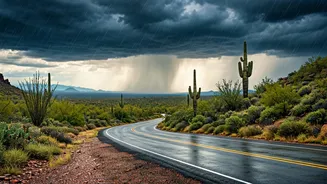
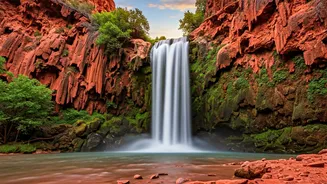
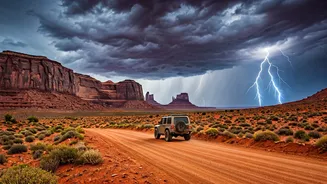
So why trade a perfectly sunny sky for a potential downpour? Because the rewards are immense. The monsoon transforms the arid landscape. Towering cloud formations build over canyons, creating a photographer’s dream. When the rain passes, the air is clean and crisp, carrying the distinct, earthy scent of creosote bushes. Double rainbows arc over red rock formations, and sunsets explode with color, refracted through the lingering atmospheric moisture. This is also when the desert truly comes to life. Cacti and wildflowers that have been dormant for months burst into bloom, carpeting the ground in unexpected color. A monsoon road trip isn't about avoiding the weather; it's about witnessing the desert at its most vibrant and alive.
Safety First: Your Monsoon Driving Playbook
The beauty of the monsoon comes with a critical need for caution, primarily due to the risk of flash floods. These can happen with frightening speed, even in areas where it isn't currently raining. The number one rule is the National Weather Service's mantra: "Turn Around, Don't Drown." Never, ever attempt to drive through a flooded roadway or wash. It’s impossible to know how deep the water is or if the road beneath has been washed away. Check weather forecasts daily and even hourly if you’re in a high-risk area. Keep your travel plans flexible; if a storm is predicted for your route, be prepared to wait it out or take a different path. Finally, be mindful that roads can become slick with oil and rain, so reduce your speed and increase your following distance during a downpour.
Packing for Weather Whiplash
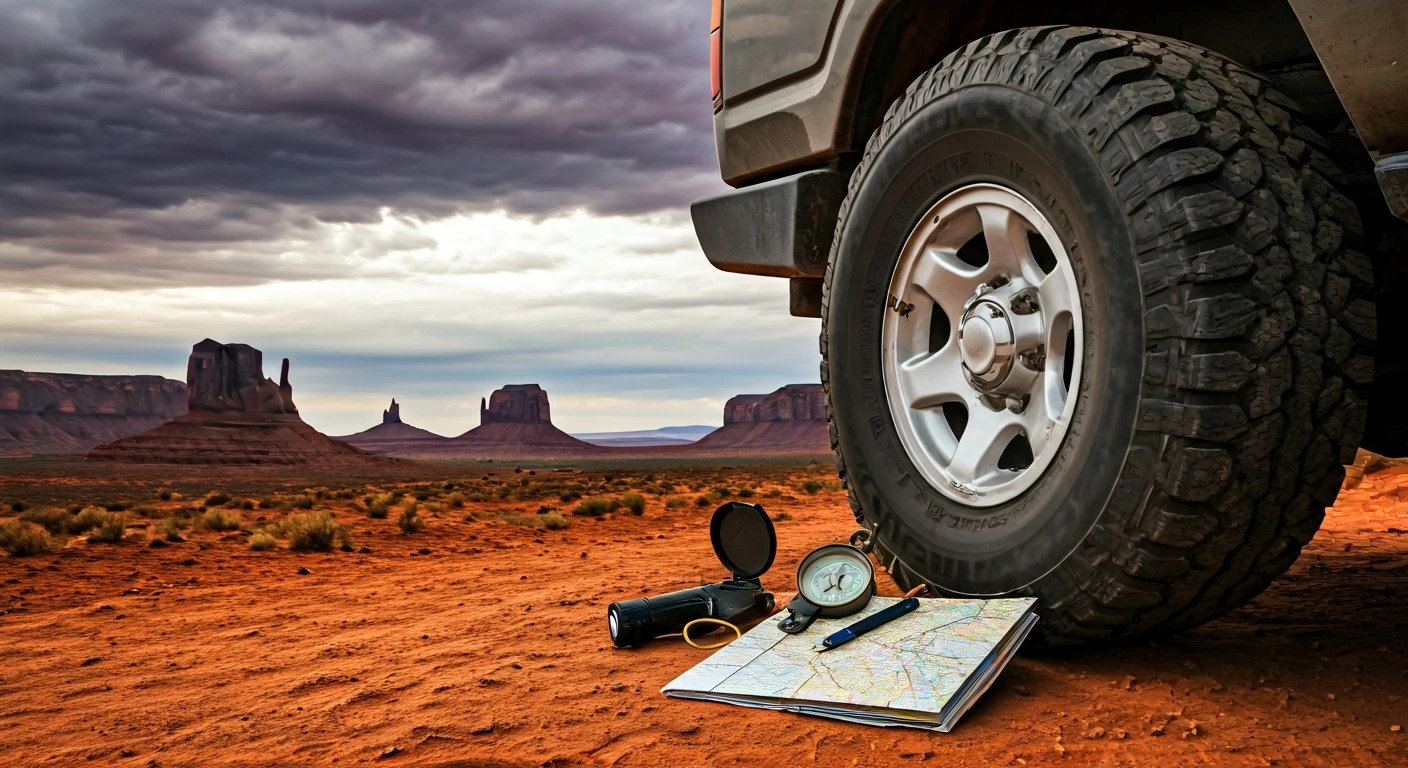
Packing for a monsoon trip requires preparing for extremes. You’ll experience intense sun and heat in the mornings and then sudden, cool downpours in the afternoon. Layers are your best friend. A lightweight, waterproof rain jacket is non-negotiable, as are shoes with good traction that you don’t mind getting wet. But don’t forget the sun essentials: a wide-brimmed hat, high-SPF sunscreen, and sunglasses are still crucial for the hours before and after the storms. It’s also wise to keep an emergency kit in your car with extra water, snacks, and a first-aid kit. Since cell service can be spotty in remote areas, a physical map or a downloaded offline map is a smart backup to your GPS.
Where to Witness the Spectacle
While the entire Southwest is affected, some areas offer a safer and more spectacular viewing experience. The high deserts of New Mexico, around Santa Fe and Taos, provide wide-open vistas perfect for watching storms roll in. In Arizona, the South Rim of the Grand Canyon can be a magnificent place to see thunderstorms move through the canyon below, as the main viewpoints are high and safe from flooding. Areas around Sedona also offer stunning scenes as clouds gather over the iconic red rocks. However, it’s critical to be extra cautious in and around slot canyons, like those in Zion National Park or near Page, Arizona. These narrow passages are extremely dangerous during this season and should only be explored with professional guides and a clear forecast.