





From 'Toughing It Out' to 'Tucking It In'
For decades, the American hustle culture glorified sleep deprivation. Pulling an all-nighter was a badge of honor, a sign of dedication. The mantra was "I'll sleep when I'm dead." But a significant cultural shift is underway. Sleep is no longer seen as a passive
period of downtime but as an active, critical component of a healthy life, on par with diet and exercise. This change is driven by a growing mountain of scientific evidence linking quality sleep to everything from improved cognitive function and mood regulation to a stronger immune system and better metabolic health. The conversation has moved from how little sleep you can get away with to how you can maximize its restorative power. Wellness influencers, CEOs, and elite athletes now openly discuss their strict sleep routines, framing rest not as weakness, but as a strategic advantage.
The Rise of the Sleep Tracker
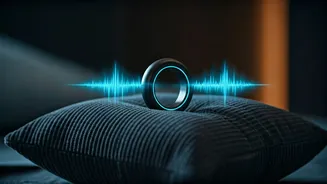
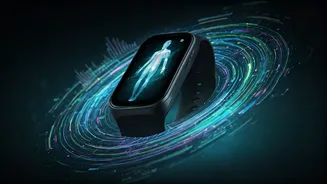
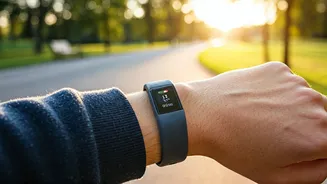
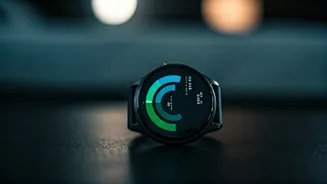
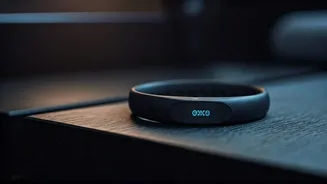
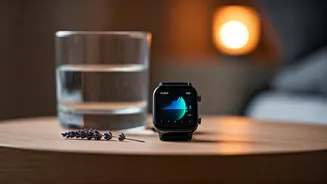
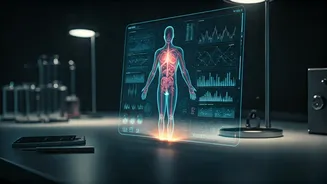
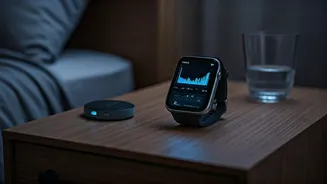
This new focus on sleep has been supercharged by technology. Wearable devices like the Oura Ring, Whoop strap, and Apple Watch have put a sleep lab—or a simplified version of it—on our wrists and fingers. These gadgets go far beyond simply logging when you go to bed and wake up. They track sleep stages (light, deep, REM), monitor heart rate variability (a marker of recovery), count nighttime disturbances, and measure respiratory rate. Each morning, users are presented with a 'Sleep Score' or 'Recovery Status,' a single number that gamifies their rest. This data provides tangible feedback, turning an unconscious state into a set of measurable variables. Seeing a low score after a late night with a few drinks provides a concrete data point that reinforces what our bodies already knew: our choices directly impact our sleep quality.
The Dark Side of Data: Orthosomnia
While empowering, the constant tracking of sleep has a potential downside. Sleep specialists have identified a new phenomenon called 'orthosomnia,' an unhealthy obsession with achieving perfect sleep scores. People can become so anxious about the data from their tracker that the stress itself begins to disrupt their sleep. It creates a frustrating cycle: you worry about getting good sleep, that worry keeps you awake, and your tracker confirms your bad night, fueling more anxiety for the next one. It’s crucial to remember that consumer-grade wearables are not medical devices. They are excellent for identifying trends and increasing personal awareness, but they can be inaccurate. A 'bad' score on a night where you feel perfectly rested, or vice versa, highlights the importance of listening to your body first and using the data as a secondary guide, not an absolute truth.
An Entire Ecosystem Built for Bedtime
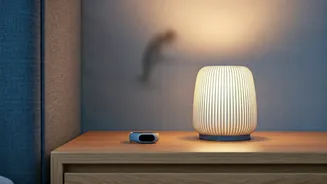
The transformation of sleep into a wellness metric has fueled a multi-billion dollar industry. The market is flooded with products promising to enhance your nightly numbers. This 'sleep-industrial complex' extends far beyond trackers. You can now buy smart mattresses that adjust their temperature throughout the night, weighted blankets engineered to reduce anxiety, sophisticated blackout curtains, blue-light-blocking glasses for evening screen time, and a dizzying array of supplements containing melatonin, magnesium, or adaptogens. There are white noise machines with hundreds of soundscapes and meditation apps with dedicated 'sleep stories' narrated by celebrities. This commercialization shows just how deeply the concept of 'optimizing' sleep has penetrated the mainstream. It’s no longer just about getting eight hours; it’s about curating the perfect, high-performance sleep experience.