






More Than Just a Walk
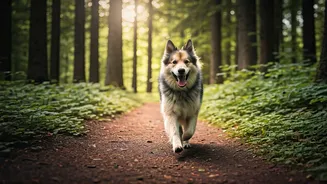
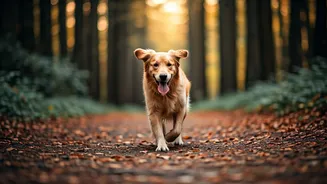
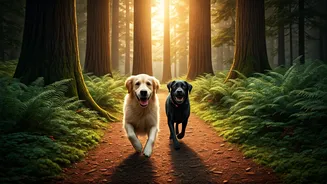
A walk around the block is maintenance. A hike in the woods is an adventure. For a dog, the trail is an intoxicating symphony of new smells, sounds, and textures. The varied terrain of a hiking path offers more physical and mental stimulation than a flat
sidewalk ever could, challenging their muscles and engaging their powerful senses. This enrichment can curb boredom-related behaviors at home, from chewing to excessive barking. Watching your dog navigate a fallen log or splash through a creek isn't just cute; it's watching them fulfill their innate instincts. It’s an opportunity for them to simply be dogs in a way the curated green space of a dog park can’t always replicate. The shared challenge and discovery on a trail also strengthens the human-animal bond, building trust and creating memories that last far longer than a bag of treats.
Know Before You Go
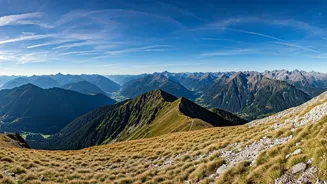
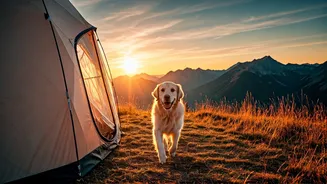
The dream of your dog running free through alpine meadows can quickly run into the reality of regulations. Before you even load up the car, the most critical step is research. Dog-friendliness varies wildly by location. U.S. National Parks, for example, are generally restrictive, often limiting dogs to paved roads, parking lots, and specific campgrounds. National Forests, on the other hand, tend to be much more welcoming, typically allowing dogs on most trails, though often with leash requirements. State and local parks have their own unique sets of rules. Use websites like AllTrails or BringFido, but always cross-reference with the official park or forest service website for the most current information. A quick 10-minute search can prevent the disappointment of being turned away at the trailhead or, worse, receiving a fine.
Essential Gear for Your Trail Buddy
You wouldn’t hike in flip-flops, so don’t let your dog hit the trail unprepared. Their gear is just as important as yours. First, a well-fitting harness is often better than a collar, as it prevents strain on your dog’s neck if they pull and gives you better control on uneven terrain. Always pack more water than you think you’ll need for both of you, along with a lightweight, collapsible bowl. High-energy snacks can help maintain your dog’s stamina on longer treks. A dog-specific first-aid kit is a must-have, containing items like antiseptic wipes, paw balm, and tweezers for tick removal. And the most important piece of gear? Poop bags. Lots of them. There is no exception to this rule.
Trail Etiquette for Paws and People
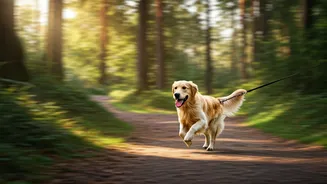
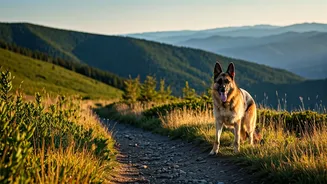
When you and your dog are on the trail, you are ambassadors for every dog owner. Following proper etiquette ensures that trails remain open and welcoming to canines. The golden rule is Leave No Trace, which absolutely includes packing out all dog waste. Do not leave the bag on the side of the trail to pick up later; it's often forgotten and becomes litter. Keep your dog leashed unless you are in a designated off-leash area and your dog has near-perfect recall. A leash protects your dog from wildlife, prevents them from disturbing other hikers, and keeps them from wandering off a cliff or into poisonous plants. When encountering other hikers, step to the side of the trail and have your dog sit. Not everyone loves dogs, and some people are fearful. A well-behaved dog on a short leash is a welcome sight; a chaotic, uncontrolled one is a nuisance that can jeopardize access for everyone.