





The Rise of the ‘Cabincore’ Aesthetic
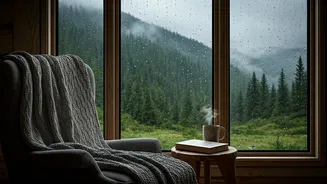
You’ve seen it on TikTok and Instagram: a crackling fireplace, a steaming mug of coffee, a chunky knit blanket, and a window looking out onto a forest of pine trees. This is the ‘cabincore’ or ‘cottagecore’ aesthetic, and it’s a powerful driver for Gen
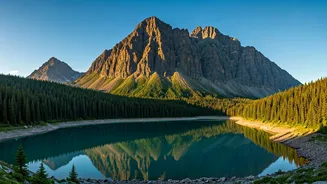
Z travel. For a generation raised online, curating a specific vibe is second nature. The mountain getaway provides the perfect backdrop. It’s not just about being in nature; it’s about performing a version of rustic, cozy simplicity that feels like a deliberate choice. These trips are less about adventure sports and more about the quiet, photogenic moments: reading a book by a lake, foraging for mushrooms (or at least looking like you are), and wearing flannel. The destination becomes a real-life mood board, a tangible escape that also happens to look amazing on a social media feed.
A Search for Digital Detox and Wellness
The irony of a social media-driven trend is that it’s often rooted in a desire to escape social media itself. Gen Z is arguably the most aware generation when it comes to the mental toll of being perpetually online. Burnout, anxiety, and screen fatigue are common vocabulary. A trip to a secluded cabin or a small mountain town like Asheville, NC, or a spot in the Catskills offers a tangible solution: a forced digital detox. Often, poor cell service is even framed as a luxury. This type of travel is seen as a proactive step toward mental wellness. Instead of the high-energy, FOMO-inducing chaos of a festival or a packed city vacation, the mountain retreat promises peace, quiet, and a chance to disconnect from the endless scroll and reconnect with oneself.
The Appeal of Authenticity and Affordability
Big city vacations are expensive and can often feel overly commercialized. For a generation facing economic precarity and student debt, a domestic road trip to a mountain region presents a more accessible alternative. Renting a cabin with a group of friends can be significantly cheaper than booking multiple hotel rooms in a major metropolis. But it’s not just about the money. There’s a deep-seated desire for ‘authentic’ experiences over pre-packaged tourism. Gen Z travelers are often looking to feel like a local, even if just for a weekend. They want to visit the small-town coffee shop, browse the quirky bookstore, and hike a trail recommended by a park ranger, not a travel conglomerate. Mountain towns offer a sense of place and community that can feel absent in more tourist-heavy destinations.
Main Character Energy, But Make It Scenery
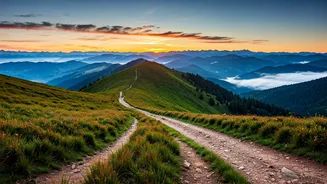
The concept of being the ‘main character’ is a defining Gen Z trope, but it has evolved. Instead of seeking the spotlight in a crowded club, many are finding that feeling in solitude and nature. A mountain landscape provides a cinematic backdrop for introspection. Think of the classic movie shot of a character looking out over a vast valley, contemplating their future. That’s the feeling. This isn't a passive vacation; it’s an active experience of self-discovery, romanticized and framed by dramatic scenery. The trip itself becomes part of a personal narrative. It’s a physical manifestation of ‘getting away from it all’ to figure things out, making the quiet moments feel profound and purposeful.