

Cultivating Office Energy for Productivity
The great work-from-home experiment has proven one thing: a laptop on the dining table is a recipe for burnout. To truly succeed, you need to cultivate 'office energy'—a dedicated zone that signals to your brain it’s time to focus. This isn't about replicating
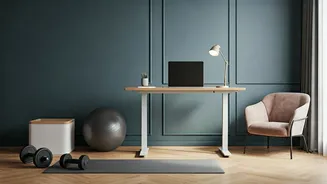
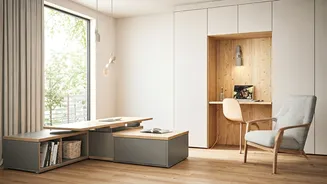
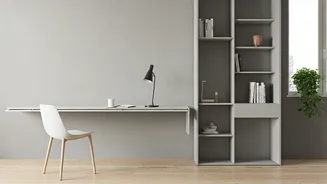
a sterile cubicle; it's about creating a space of intentional productivity. If you have a spare room, the task is straightforward. But for the millions in smaller homes or apartments, it’s an exercise in creative zoning. The key is psychological separation. Even a small desk in a quiet corner of a bedroom or living room can become a powerful command center with the right touches. Prioritize good lighting—natural, if possible—to reduce eye strain and boost mood. Invest in an ergonomic chair; your back will thank you after the first week. Finally, establish clear boundaries. When you’re in your office zone, you’re at work. When you leave it at the end of the day, the commute is only a few steps, but the mental shift should be absolute. This separation prevents work from bleeding into your personal time and preserves the sanctity of the rest of your home.
Harnessing Lounge Energy for Relaxation
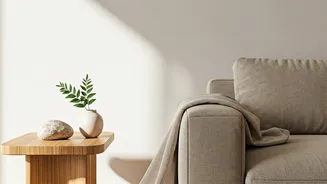
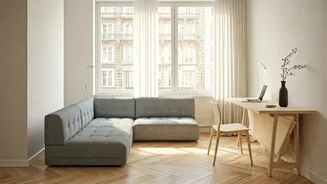
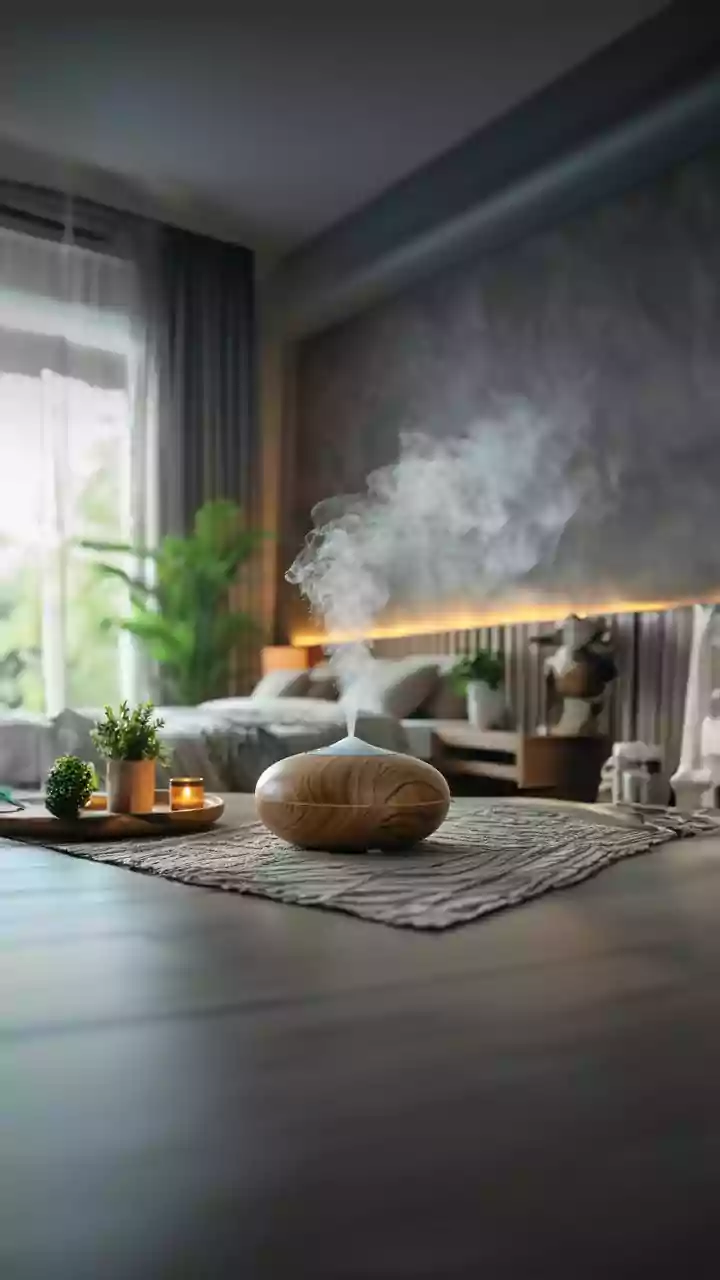
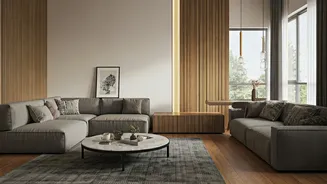
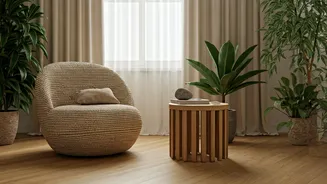
Just as important as a space to work is a space to stop working. This is where 'lounge energy' comes in. It’s the polar opposite of the focused, upright posture of your workspace. It’s about softness, comfort, and restorative calm. Your lounge zone is a sanctuary for decompression, connection, and leisure. It might be your entire living room, or simply a single, impossibly comfortable armchair with an ottoman and a good reading lamp. The mission is to create a 'no-work zone.' Make a rule: no laptops, no work calls, no checking emails in this space. This is where you curl up with a book, have a real conversation, or get lost in a movie. The design should support this mission. Think plush textures like velvet, wool, or chenille. Opt for warm, dimmable lighting that can be adjusted to create a cozy ambiance. Incorporate elements that soothe your senses, whether it’s a favorite scented candle, a soft-to-the-touch throw blanket, or a speaker for playing calming music. By creating an explicit zone for relaxation, you give yourself permission to truly switch off, helping you recharge more effectively than mindlessly scrolling on the same couch where you spent the day in Zoom meetings.
Injecting Fitness Energy for Wellness
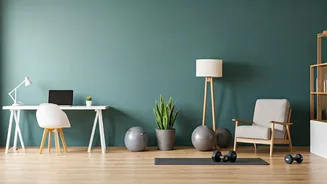
The home has also become our primary wellness center. From streaming yoga classes to Peloton rides, 'fitness energy' is about carving out a space that encourages movement and health. For many, the idea of a 'home gym' conjures images of a sprawling basement with weight racks and treadmills, but that’s an outdated and exclusive model. Today, fitness energy is about integration and inspiration. It can be as simple as a designated corner of a room with a neatly rolled-up yoga mat, a set of resistance bands, and a foam roller. The goal is to make activity as frictionless as possible. If your workout gear is already in an inviting, dedicated spot, you’re far more likely to use it. Consider what motivates you. If it's a high-energy spin class, maybe your bike faces a window with a view. If it's calming yoga, place your mat in a spot with soft morning light. Use vertical space: wall-mounted shelves can hold weights, while hooks can keep bands and towels organized. By giving fitness a physical and permanent home within your home, you transform it from a chore into a seamless part of your daily routine.
Making It All Work Together
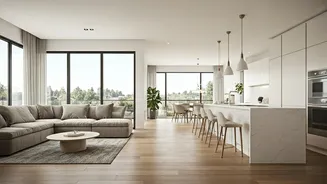
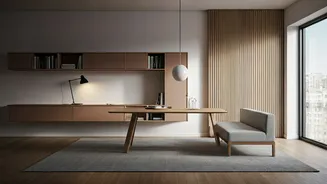
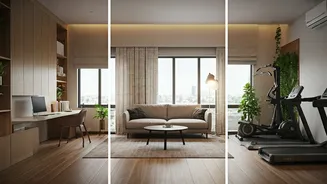
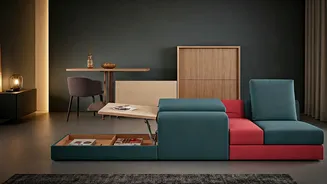
How do you accommodate an office, lounge, and gym in a finite amount of space without it feeling like a chaotic, multi-purpose jumble? The answer lies in smart design and multi-functional thinking. Zoning is your best friend. Use area rugs to visually separate the 'office' section of your living room from the 'lounge' area. A bookshelf can act as a clever room divider, providing storage while creating a sense of separation. Furniture that pulls double-duty is essential. A stylish ottoman can store your yoga blocks and resistance bands. A secretary desk can be closed at the end of the day, hiding your work clutter and instantly transforming the space back into a living area. The most important tool, however, is discipline. Respect the boundaries you’ve created. Tidy your workspace at the end of the day. Put your fitness equipment away after use. Treating each zone with intention ensures that your home can support all facets of your life without any single one taking over.