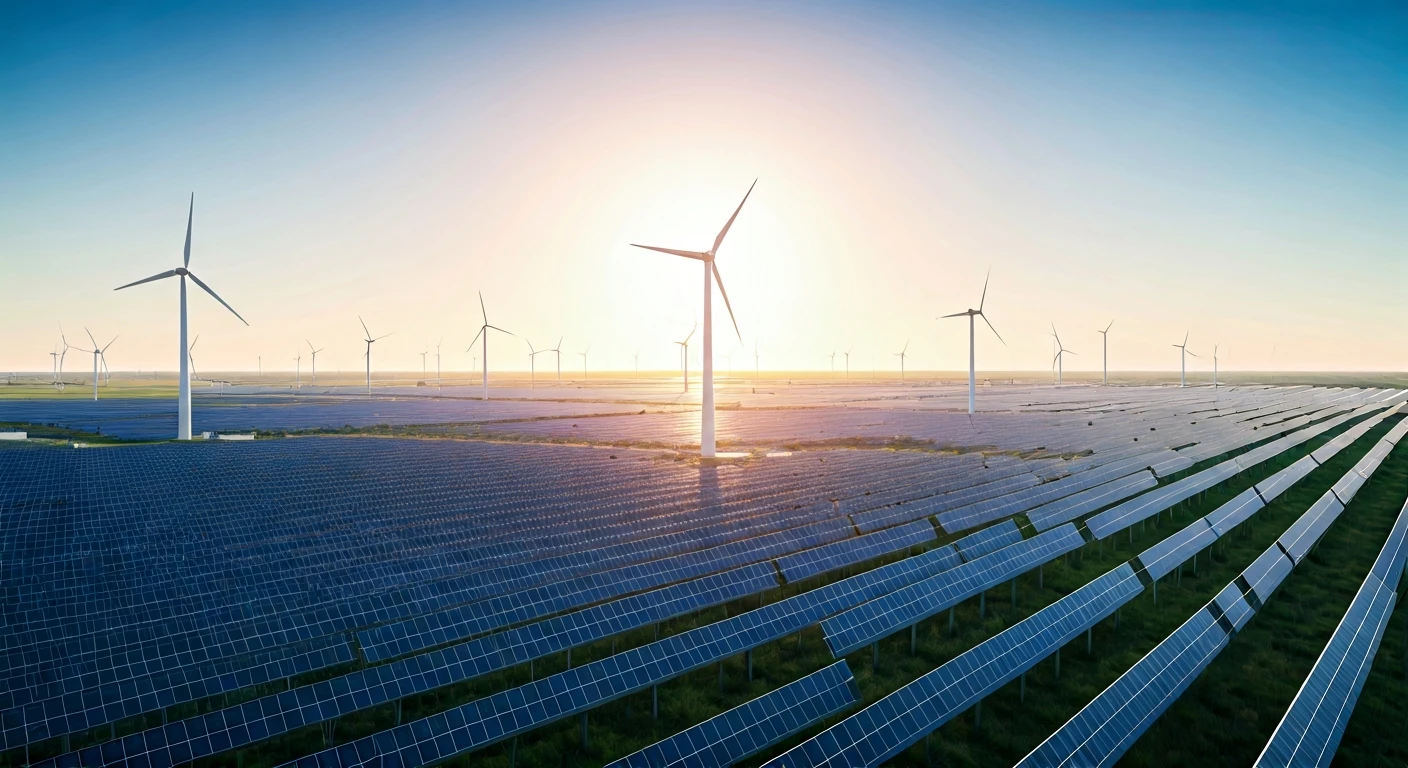










A Tsunami of Solar Power
The most visible part of India’s green shift is its monumental bet on solar energy. Forget small-scale rooftop panels; think sprawling solar parks the size of cities, blanketing arid landscapes with seas of photovoltaic glass. This isn't just an environmental
project; it's a story of brutal, brilliant economics. The cost of solar power in India has plummeted by over 80% in the last decade, making it, in many cases, the cheapest source of new electricity—cheaper than building new coal plants. This economic reality has turbocharged adoption. India is now one of the world's top five installers of solar capacity, adding gigawatts of power at a blistering pace. It's a pragmatic revolution. For a nation that needs to provide reliable electricity to hundreds of millions, cheap and domestically produced solar power is a golden ticket for both energy security and economic development.
Green Mobility, India-Style
While Americans are debating the merits of the Tesla Cybertruck, India’s electric vehicle revolution looks completely different—and it’s happening much faster on two and three wheels. The country is a global leader in the adoption of electric scooters, motorcycles, and auto-rickshaws. These vehicles are the lifeblood of urban and rural transport for the masses, and their electrification is happening from the ground up, driven by startups and legacy companies alike. High gasoline prices and government subsidies have created a perfect storm for adoption. This isn't about luxury or virtue signaling; it’s about practicality. An electric rickshaw driver saves a significant amount on fuel costs, which directly translates to more income. This bottom-up approach is electrifying mobility for millions who will never own a car, cleaning up air in notoriously polluted cities and creating a blueprint for other developing nations.
From Climate Obstructionist to Architect
For decades, India was often seen as a defensive, sometimes obstructionist, voice in global climate negotiations. Its argument was rooted in fairness: developed nations like the U.S. got rich by burning fossil fuels for a century, so why should India—a developing country with far lower per-capita emissions—be asked to sacrifice its growth? This principle of “common but differentiated responsibilities” is still core to its stance, but the tone has shifted dramatically. As India has become a green technology powerhouse in its own right, its diplomatic posture has evolved from defensive to proactive. It's no longer just asking what the world will do for India, but showing what India can do for the world. Prime Minister Narendra Modi’s pledge for India to reach net-zero emissions by 2070 was a landmark moment, signaling a new era of ambition and a desire to shape, rather than simply react to, the global climate agenda.
The Sobering Coal Conundrum
Despite the impressive progress, it’s crucial to acknowledge the elephant in the room: coal. India is still the world’s second-largest consumer and producer of coal, which remains the backbone of its energy grid. The country faces the monumental challenge of powering a growing economy and lifting millions from poverty, and right now, coal is doing much of the heavy lifting. Shutting down this system overnight is not an option. The 'big moment' for climate action in India is not about an overnight switch, but a complex and often messy transition. The government is attempting to balance its renewable ambitions with its immediate energy needs, leading to a dual strategy of building massive solar farms while also, for now, continuing to rely on its coal fleet. How India manages this transition—squeezing the timeline for coal while accelerating renewables—is perhaps the single most important variable in the global fight against climate change.