




A Hunger for Real Stories
In an era of ghost kitchens and algorithm-generated menus, there’s a growing craving for something that feels real. We’re swimming in a sea of generic ‘American’ food—the same vaguely interesting kale salads and crispy chicken sandwiches from coast to
coast. Regional dishes are the antidote. A Cincinnati chili five-way isn't just a quirky meal; it’s a story about Greek immigrants in Ohio creating a unique take on a classic. A Michigan pasty isn't just a meat pie; it's the history of the Upper Peninsula's copper miners needing a portable, hearty lunch that could survive a day underground. These dishes have a soul and a sense of place. They weren't cooked up in a corporate test kitchen last Tuesday. They have terroir, not just in their ingredients, but in their history. Consuming them feels like an act of cultural participation, a small rebellion against the homogenization of American life.
They Were Built to Last
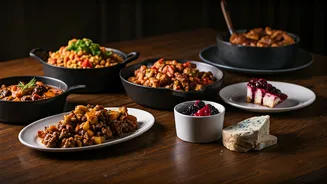
The headline’s claim—that these dishes 'actually work'—is the core of the phenomenon. This isn't about fleeting, stunt-food trends like rainbow bagels or 24-karat gold-dusted wings. Regional classics are popular because they are, first and foremost, incredibly effective food. They evolved over decades, perfected through generations of iteration in home kitchens and local diners. They are dishes forged by necessity and refined by taste. The muffuletta in New Orleans was designed to be a complete, portable meal for Sicilian workers. The garbage plate of Rochester, New York, is the ultimate, no-frills solution to late-night hunger. The cheese-stuffed Juicy Lucy burger from Minneapolis solves the eternal problem of keeping a cheese-topped patty hot and gooey. These recipes have survived because their core flavor combinations, textures, and functions are fundamentally sound. They are, in a sense, culinary Darwinism in action.
The Social Media Accelerator
While these dishes are old, their newfound national fame is a distinctly modern story. Social media, particularly visually driven platforms like Instagram and TikTok, has acted as a massive accelerator. Take the recent explosion of birria tacos. For years, this slow-braised goat or beef stew from Jalisco, Mexico, was a beloved regional specialty. But once videos of people dipping cheesy, crispy tacos into the rich red consommé went viral, birria spots popped up in nearly every city. The visual appeal—the 'money shot' of the cheese pull or the dip—is undeniable. This creates a powerful feedback loop. A food blogger in Chicago tries Detroit-style pizza, with its crispy, caramelized cheese 'frico' crust. They post a drool-worthy photo. Thousands of their followers are now primed to recognize and order it when they see it on a local menu, creating demand where none existed before. Social media democratizes food discovery, allowing a local secret to become a national obsession in months.
Discovering America, One Plate at a Time
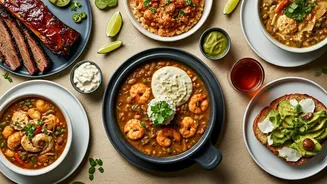
Ultimately, this trend is about more than just food; it’s about connection and identity. At a time when the country can feel fractured, exploring its diverse culinary traditions offers a delicious, accessible way to understand its different corners. Trying a Lowcountry boil from South Carolina, a po' boy from Louisiana, or a green chile cheeseburger from New Mexico is a way to travel and connect without leaving your city. It’s a reminder that America isn't a monolith. Its cultural fabric is a rich, complex mosaic of immigrant traditions, local agriculture, and working-class ingenuity. These dishes are edible history lessons, and by embracing them, we’re not just chasing a trend. We're rediscovering the fascinating, flavorful, and deeply specific stories that make up the country.