




From Hidden Struggle to Public Wellness
The traditional narrative around recovery, particularly from substance abuse, was built on a foundation of anonymity and necessity. Programs like Alcoholics Anonymous, while life-saving for millions, centered on the idea that recovery was a private, lifelong
battle fought behind closed doors. It was often framed as a response to hitting “rock bottom”—a last resort, not a proactive choice. This created a powerful but narrow cultural script: recovery was for a specific type of person with a specific, severe problem. It wasn’t seen as a set of tools or a mindset that could be integrated into the broader culture of health and wellness.
The 'Sober Curious' Effect
A major catalyst for this shift has been the rise of the “sober curious” movement. Coined by author Ruby Warrington, the term gave a name to a growing cohort of people—many of them millennials and Gen Z—who were questioning their relationship with alcohol without necessarily identifying as alcoholics. This wasn't about a diagnosis; it was about optimization. It reframed sobriety not as a deficiency to be corrected but as a lifestyle choice to be explored, much like veganism or marathon training. Suddenly, choosing not to drink at a party wasn’t a red flag, but a wellness decision. This movement cracked the door open for a more mainstream, less stigmatized conversation about what it means to live without, or with less, alcohol.
A Toolkit for the Modern Age
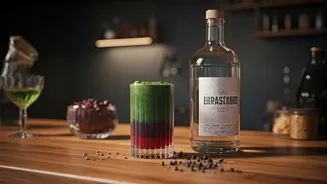
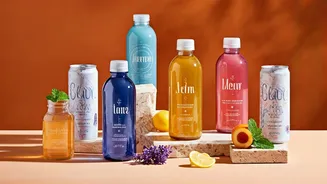
This is where the “practical glow-up” really shines. As the demand for alternatives grew, the market responded with a sophisticated toolkit that makes recovery-adjacent choices not just easy, but aspirational. The murky corner of the bar once reserved for soda water and lime now features complex, beautifully bottled non-alcoholic spirits from brands like Seedlip, Ghia, and Kin Euphorics. Entirely sober bars and bottle shops are popping up in major cities, serving intricate mocktails that command the same price—and respect—as their boozy counterparts. Beyond beverages, the digital world offers its own support system. Apps like Calm and Headspace have mainstreamed mindfulness, while platforms like The Temper and communities on TikTok and Instagram provide accessible, peer-led spaces to talk about mental health and sobriety. The new tools aren't just substitutes; they are upgrades.
Redefining What 'Recovery' Means
Ultimately, this glow-up is about expanding the definition of recovery itself. It's no longer limited to abstinence from a specific substance. Instead, it’s becoming an umbrella term for the active, ongoing process of taking care of your mental, emotional, and physical health. It's recovering from burnout, from societal pressure, from anxiety, from a culture of constant stimulation. This new framework is more inclusive and preventative. You don’t have to wait for a crisis to start your “recovery” journey. You can start today by choosing a non-alcoholic cocktail, downloading a meditation app, or setting a boundary with your screen time. It’s a shift from a reactive model of fixing what’s broken to a proactive model of building a more resilient, intentional life.