






The Slow Fade of Grind Culture Fitness
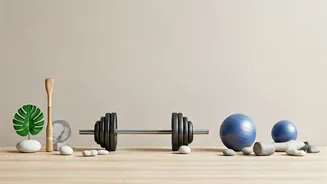
Remember the 2010s? It was the decade of fitness maximalism. The prevailing wisdom, screamed from boutique spin studios and CrossFit boxes, was that if your workout didn’t leave you breathless, drenched in sweat, and questioning your life choices, it didn’t count.
The mantra was “no pain, no gain,” and the goal was optimization at all costs. We were meant to crush our workouts, dominate our step counts, and bio-hack our bodies into submission. This high-intensity, high-pressure approach defined wellness for a generation. But for many, it also led to burnout, injury, and a sense of failure. The feeling that you weren't doing enough, or weren't doing it hard enough, created a toxic relationship with exercise. It was another item on a never-ending to-do list, a chore to be endured rather than a source of joy or relief. Now, the pendulum is swinging in the opposite direction.
Enter: The 'Cozy Cardio' Era
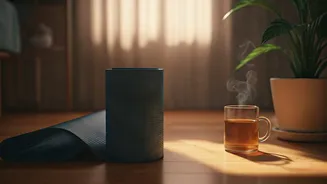
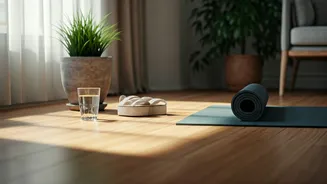
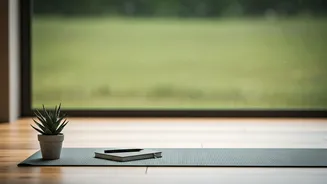
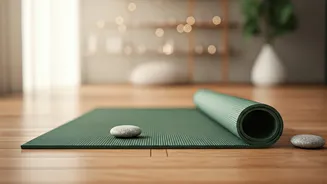
Scroll through social media today, and you’ll see a different kind of fitness content gaining traction. Instead of stark, high-contrast gym selfies, the aesthetic is soft, warm, and inviting. Welcome to the world of “cozy cardio,” “soft hiking,” and “lazy girl jobs.” This isn't about avoiding movement; it's about reframing it. Cozy cardio might be a 30-minute walk on a treadmill while watching your favorite comfort show. A “soft workout” could be a series of gentle stretches in a sunlit room, followed by a cup of tea. It’s about integrating movement into your life in a way that feels supportive, not punishing. The focus has shifted from calorie burn and muscle gain to mental clarity, stress reduction, and simple, sustainable enjoyment. The new goal isn’t to conquer your body, but to connect with it. The branding is key: using words like “cozy” and “soft” intentionally removes the intimidation factor that has long surrounded exercise.
A Cultural Cure for Burnout
This shift didn’t happen in a vacuum. It’s a direct response to a decade of hustle culture, followed by the profound disruption of the pandemic. Many people are simply exhausted. The collective experience of stress, anxiety, and burnout has led to a widespread reevaluation of priorities. Wellness is no longer just about physical toughness; it’s increasingly about mental and emotional resilience. Gentle movement fits perfectly into this new paradigm. Activities like walking, yoga, tai chi, and simple stretching are proven to lower cortisol (the stress hormone), improve mood, and increase mindfulness. In a world that feels increasingly chaotic and demanding, a quiet walk or a gentle flow offers a pocket of peace. It’s an act of self-compassion, a way to care for oneself without the added pressure of performance metrics. This rebrand is less about inventing new exercises and more about giving ourselves permission to choose kindness over intensity.
Don't Mistake Gentle for Ineffective
While the vibe is softer, the science is solid. The idea that low-intensity exercise is ineffective is one of the biggest myths of the old fitness guard. Kinesiologists and physicians have long championed the benefits of consistent, moderate movement. Walking is consistently ranked as one ofthe best exercises for longevity, cardiovascular health, and joint stability. Yoga and Pilates build functional strength, improve flexibility, and enhance the mind-body connection in ways that high-impact workouts often neglect. The key is consistency. A daily 30-minute walk provides more cumulative health benefits for most people than two punishing, injury-risking HIIT sessions a week that ultimately lead to burnout and abandonment. The “cool” factor of gentle movement comes from this realization: the most effective workout is the one you can, and want to, do regularly for the rest of your life.