





1. Tires: Your First Line of Defense
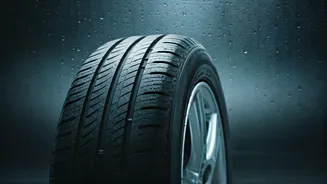
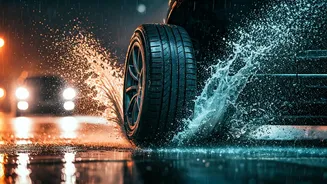
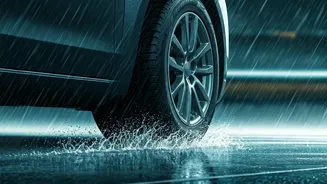
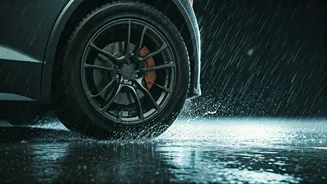
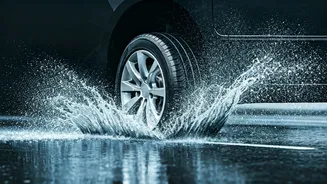
Your tires are the only part of your car that actually touches the road, and in wet weather, their job becomes exponentially more difficult. The biggest danger is hydroplaning, where a layer of water builds up between your tires and the road surface,
causing a complete loss of steering and braking control. To prevent this, your tire tread needs to be deep enough to channel water away effectively. The classic 'penny test' is a great rule of thumb: insert a penny into your tire's tread with Lincoln's head upside down. If you can see all of his head, your treads are worn and it's time for new tires. Also, ensure your tires are properly inflated. Under-inflated tires can't grip the road properly, while over-inflated ones have less contact with the surface. Check your car’s doorjamb sticker for the correct PSI and check your pressure monthly.
2. Wipers and Fluid: See and Be Seen
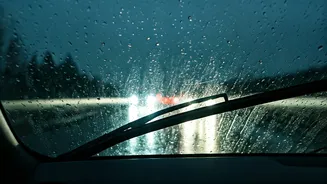
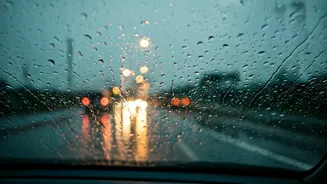
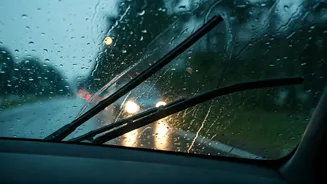
Visibility is paramount in a storm. If your wiper blades are smearing, streaking, or chattering across the windshield, they aren't clearing water effectively—they're just making things worse. Wiper blades are made of rubber that degrades over time from sun exposure and use. Plan on replacing them every six to twelve months, or as soon as you notice a decline in performance. It’s an inexpensive and easy fix that makes a world of difference. While you're at it, top off your windshield washer fluid. A quality, all-season fluid will help clear the grime and road spray that gets kicked up by other vehicles in the rain, which can be just as blinding as the downpour itself. Having a full reservoir means you won't get caught unable to clear your view on a messy highway.
3. Lights: Your Communication Tools
When rain reduces visibility, your vehicle's lights are not just for you to see—they're for others to see you. Before the rainy season kicks in, do a quick walk-around of your car. Have a friend or family member help you check that all your lights are working: headlights (both high and low beams), taillights, brake lights, and turn signals. A single burned-out bulb can make your car nearly invisible from certain angles or prevent you from signaling your intentions to other drivers. In many states, it's the law to have your headlights on whenever your wipers are in use. This isn't just about illuminating the road ahead; it ensures your car is visible to drivers in front of and behind you, significantly reducing the risk of a collision in low-light, rainy conditions.
4. Brakes: The Unsung Heroes
Wet roads mean longer stopping distances. It can take up to three times farther to stop on a wet road than on a dry one. That's why your brakes need to be in top condition. If you hear any squealing, grinding, or feel a pulsation in the pedal when you brake, get them inspected by a professional immediately. These are classic signs of worn brake pads or rotors. Don't wait for a problem to become a crisis. During your regular oil changes, ask the technician to give your brakes a quick inspection. A healthy braking system is crucial, but so is how you use it. In wet weather, avoid slamming on the brakes. Instead, brake earlier and more gently than you would in dry conditions to prevent skidding and give yourself a greater margin of safety.
5. The Emergency Kit: Your Rainy Day Plan
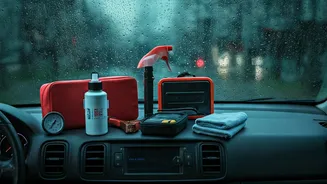
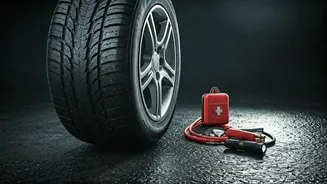
Even with the best preparation, things can go wrong. A well-stocked emergency kit in your trunk provides peace of mind and essential tools if you get stranded. For wet weather, your kit should include more than just the basics. Consider adding a waterproof poncho or rain jacket, a towel, and an extra pair of dry socks. A flashlight with fresh batteries is non-negotiable. Jumper cables are a must, as are basic tools and a tire gauge. High-visibility items like a reflective triangle or road flares can be life-savers if you have to pull over on a busy road in poor visibility. Add a portable phone charger or power bank to ensure you can always call for help. It’s a small bit of trunk space for a huge amount of security.
6. The Driver: Your Mental Checklist
The most important safety component in any car is the driver. Preparing your vehicle is only half the battle; you also need to adjust your mindset. Slow down. Speed is a major factor in wet-weather accidents. Reducing your speed gives your tires a better chance to maintain contact with the road and gives you more time to react. Increase your following distance to at least four or five seconds behind the car in front of you. Avoid cruise control, as it can prevent you from feeling a loss of traction and may cause the car to accelerate when hydroplaning. Finally, minimize distractions. A rainy, low-visibility drive demands your full attention. Put the phone away, turn the radio down, and focus on the task at hand: getting to your destination safely.