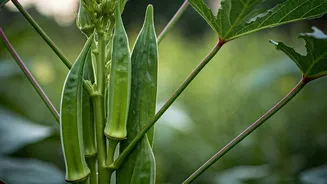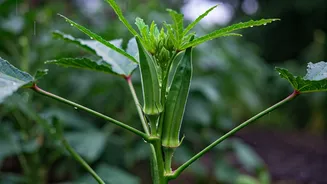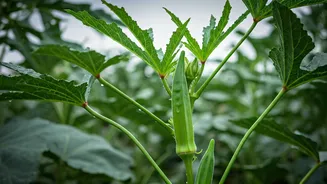



First, What Is Bhindi?
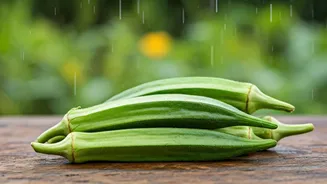
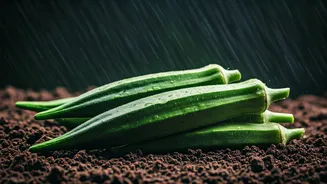
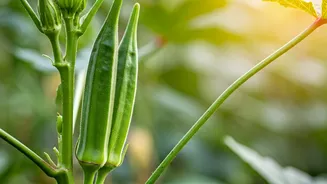
If you’ve ever had a Southern pot of gumbo or enjoyed a crispy side at an Indian restaurant, you’ve likely met bhindi. It’s the Hindi word for okra, that distinctive green, ridged pod beloved across the globe, from the American South and the Caribbean
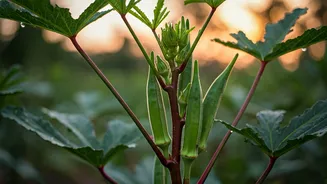
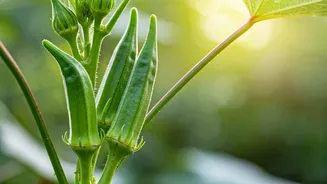
to South Asia and Africa. While many American gardeners know it simply as okra, calling it bhindi connects it to a rich culinary tradition where it's celebrated not as a slimy, misunderstood vegetable, but as a versatile, flavor-absorbing star. Its botanical name, *Abelmoschus esculentus*, reveals its family ties: it’s a member of the mallow family, related to hibiscus and cotton. This lineage is a major clue to its personality. Like its tropical cousins, it adores the sun and produces beautiful, hibiscus-like flowers that are a treat in themselves—a pale yellow with a deep crimson center. These blossoms last only a day before giving way to the fast-growing edible pod that makes this plant a garden workhorse.
The 'Monsoon Garden' Connection
The headline’s mention of “monsoon” might feel out of place in a U.S. context, but it’s the perfect shorthand for the exact conditions this plant loves. A monsoon season is characterized by high heat and intense humidity, a climate that sends many common garden vegetables, like lettuce and broccoli, into a state of shock. Tomatoes protest with blossom end rot, and cucumbers can succumb to mildew. But bhindi? It celebrates. For American gardeners, the “monsoon” is July and August in much of the country. It’s that sticky, oppressive heat in Georgia, the soupy air of the Midwest, or the relentless sun of Texas. In these conditions, okra doesn’t just survive; it thrives. The hotter and sunnier it gets, the faster it grows. It transforms the most challenging part of the growing season into the most productive, giving you something to look forward to when everything else in the garden is just trying to hang on.
The Low-Drama Promise
The term “flex” implies an impressive feat, but the beauty of bhindi is that the effort-to-reward ratio is skewed heavily in your favor. Compared to notoriously fussy plants, okra is refreshingly straightforward. Once established, it’s relatively drought-tolerant, though it produces best with consistent water. It prefers well-drained soil but isn't overly demanding about fertility. Its biggest drama is often self-inflicted by the gardener. The number one rule of okra is to harvest it young and tender. A pod can go from a perfect three-inch finger to a woody, inedible club in what feels like a matter of hours. This isn't a flaw; it's a feature. The plant is a production machine. The more you pick, the more it produces. Pests are generally minimal; while aphids can sometimes be an issue, they are often manageable. For the most part, you plant it, give it sun and some water, and get out of its way.
How to Grow Your Own Flex
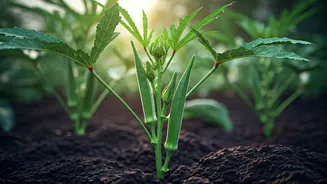
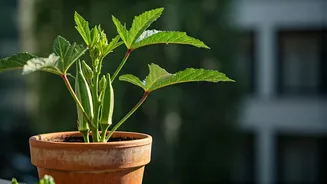
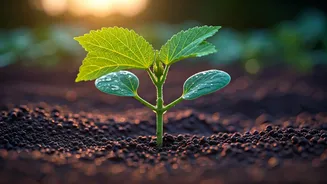
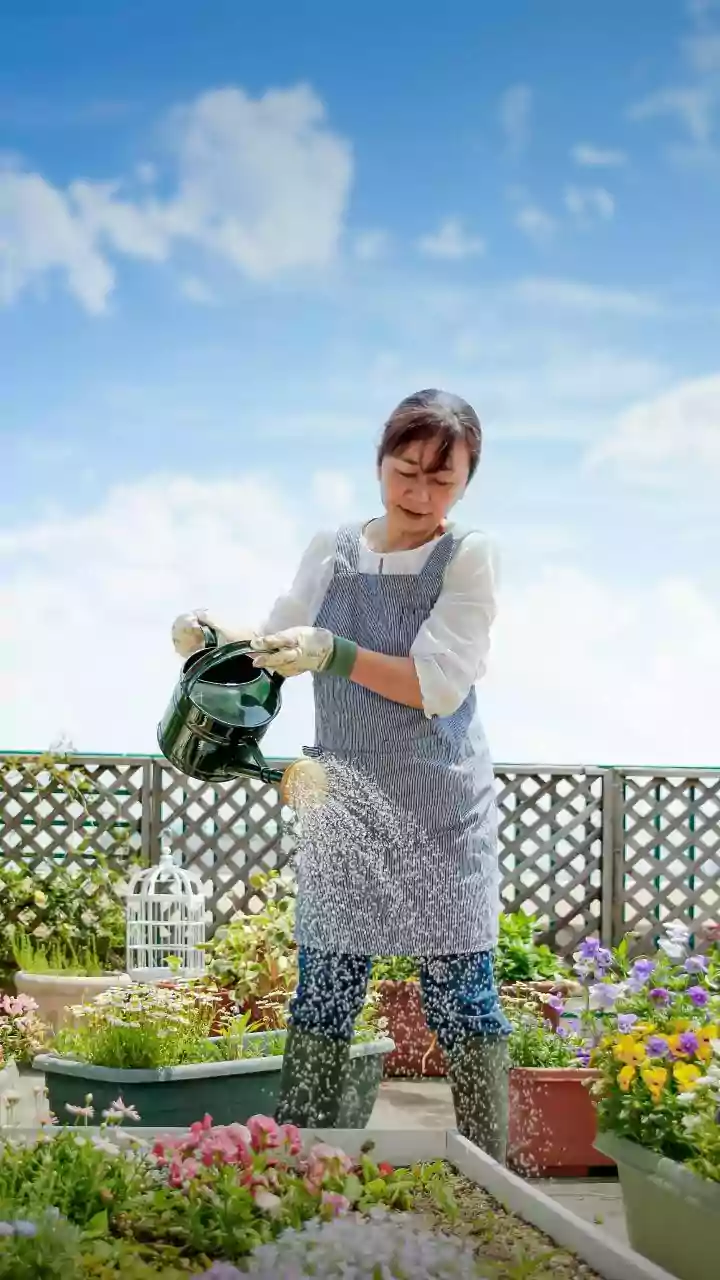
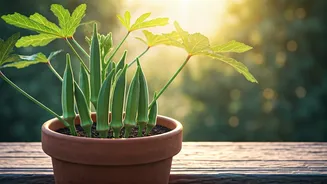
Ready to add this powerhouse to your plot? Getting started is simple. First, wait for the weather to get genuinely warm. Okra seeds despise cold soil, so don't rush it. Plant them about two weeks after your last expected frost date, when soil temperatures are consistently above 65°F. 1. **Choose a Spot:** Find the sunniest location in your garden. Okra needs at least 6-8 hours of direct sun to flourish. 2. **Planting:** Sow seeds about 1 inch deep and 12-18 inches apart. Because the seeds have a tough coat, some gardeners soak them in warm water overnight to speed up germination, but it’s not strictly necessary. 3. **Water & Wait:** Keep the soil moist until the seeds sprout. Once the plants are established, they are quite resilient, but a good, deep watering once a week during dry spells will ensure a bumper crop. 4. **Harvest, Harvest, Harvest:** This is the most important step. Once plants start producing, check them daily. Using shears or a knife, snip the pods off when they are 2-4 inches long. If you miss one and it gets too big, cut it off anyway to encourage the plant to keep making new, tender pods.