






What is Long-Stay Work Travel?
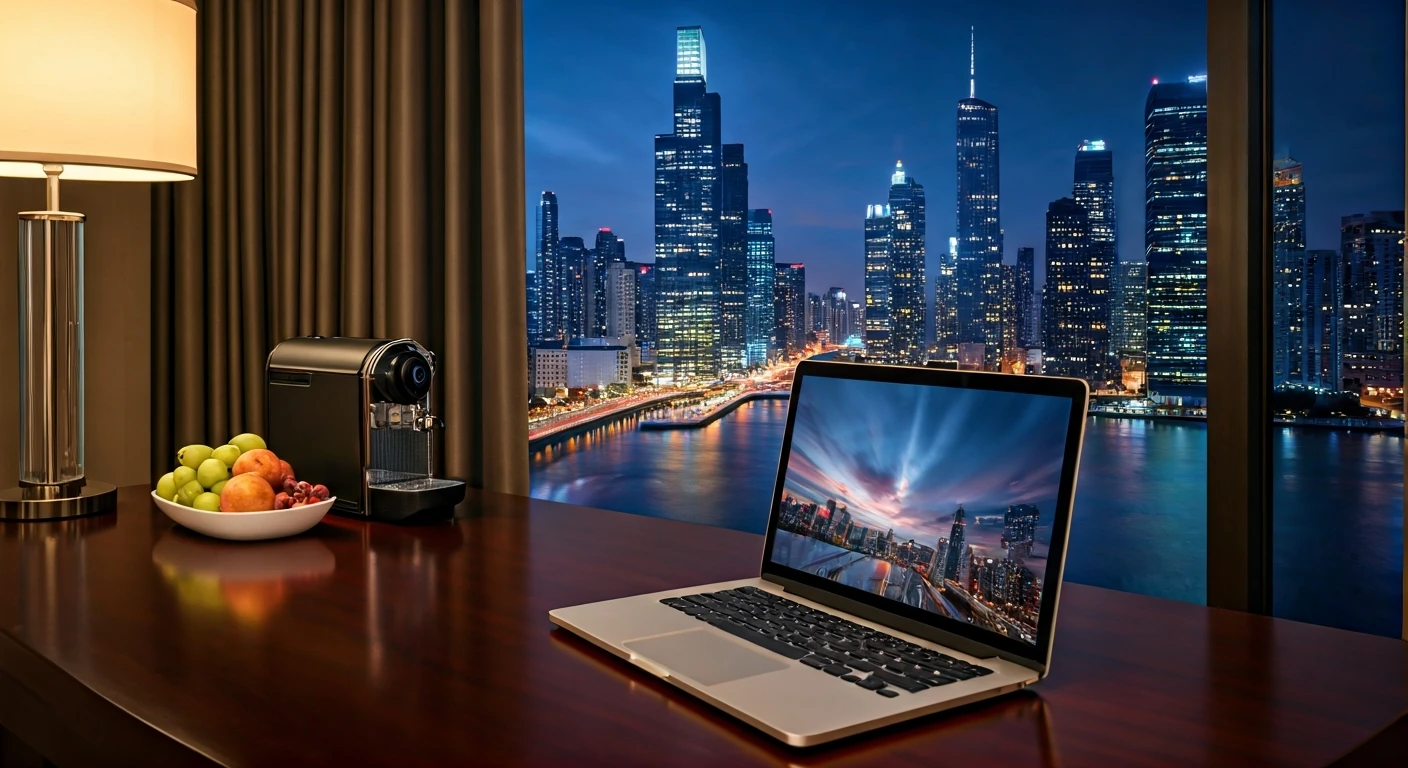
This isn’t about tacking a Friday onto a business trip. Long-stay work travel, sometimes called a “workcation” or “slow travel,” involves relocating to a new city or country for an extended period—typically a month or more—while maintaining your full-time
job remotely. Unlike traditional digital nomads who often freelance or run their own businesses, this trend is being driven by salaried employees with the freedom to work from anywhere. Instead of a frantic two-week vacation, professionals are immersing themselves in a new culture, learning a new language, and exploring a new place at a human pace, all without putting their careers on hold. It’s the difference between being a tourist and being a temporary resident, and it redefines the very concept of a “work-life balance” into a more integrated “work-life blend.”
From Pandemic Necessity to Status Symbol
Just a few years ago, the idea of a senior analyst taking Zoom calls from a bungalow in Costa Rica for six weeks would have sounded like a fantasy. The pandemic, however, served as a massive, unplanned pilot program for remote work. Companies that once resisted the concept were forced to adapt, and in doing so, proved that productivity wasn't tied to a physical office. As the dust settled, a subset of knowledge workers realized their newfound location independence was a powerful perk. The “flex” isn’t just about the travel itself; it's about signaling a certain kind of professional freedom and trust. It says, “My company values my output, not my physical presence,” and “I’ve designed a life where my work enables my experiences, not constrains them.” In a world where burnout is rampant, demonstrating this level of autonomy is the new marker of success.
The Logistics of the Long-Stay Lifestyle
This lifestyle isn’t just for the ultra-wealthy, but it does require a specific set of conditions. First is the company policy. While some companies have fully embraced “work from anywhere” policies, many others operate in a gray area, turning a blind eye as long as the work gets done and the employee remains in a similar time zone. Second is the infrastructure. The proliferation of high-speed internet, collaborative software like Slack and Asana, and flexible housing options like Airbnb's monthly stays have made it technically feasible. Third is the legal framework. Dozens of countries, from Portugal to Colombia to Japan, have introduced “digital nomad visas” or similar long-stay permits, recognizing the economic benefit of attracting high-earning remote workers who spend money locally without taking local jobs. This trifecta of corporate acceptance, technological readiness, and legal pathways has created the perfect environment for the trend to flourish.
More Than Just a Pretty Picture
While the Instagram-worthy backdrops are undeniable, the appeal of long-stay work travel runs deeper than just aesthetics. For many, it's a powerful antidote to monotony and career stagnation. Being in a new environment can spark creativity, foster problem-solving skills, and build resilience. It forces individuals to be more independent and self-sufficient, qualities that are highly valuable in any professional setting. Furthermore, it represents a profound shift in values. The new generation of professionals is increasingly prioritizing life experiences over traditional markers of wealth and career advancement. The long-stay work trip isn't just a vacation; it's an investment in personal growth that pays dividends both in and out of the office. It's a declaration that a rich life, not just a rich career, is the ultimate goal.