


The King of Fruits Reigns Supreme
For most Americans, a mango is a delicious tropical fruit, a welcome addition to a smoothie or salsa. But in India, the mango is something else entirely. It’s a cultural icon, a harbinger of summer, and a source of intense regional pride. The arrival
of the first mangoes of the season is a national event, sparking conversations and cravings from Mumbai to Kolkata. The fruit is woven into folklore, poetry, and religious traditions, symbolizing prosperity and happiness for centuries. It’s not just food; it’s nostalgia in a bite, reminding generations of childhoods spent climbing trees and summers cooled by slices of chilled, juicy fruit. This deep-seated reverence is the engine behind the country's most vibrant food festivals, and Delhi’s annual Mango Mela is the crown jewel.
More Than Just a Farmers Market
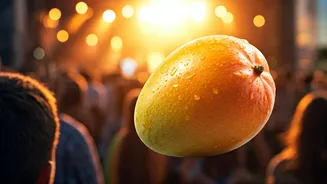
The term “Mela” translates to “fair” or “festival,” and the Delhi International Mango Festival is exactly that—a grand, jubilant fair dedicated entirely to one magnificent fruit. Organized by Delhi Tourism, this event isn't just a place to buy mangoes; it's an educational and cultural spectacle. Held annually in the scorching heat of early July, it draws farmers, foodies, families, and tourists into a sprawling, colorful celebration. The festival's primary goal is to showcase the staggering diversity of mangoes grown across India and to promote the country’s agricultural heritage. It’s like a state fair and a high-end food festival rolled into one, but with a singular, laser-sharp focus on the mango in all its glorious forms.
A Symphony of Varieties
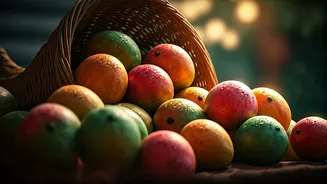
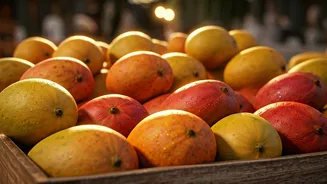
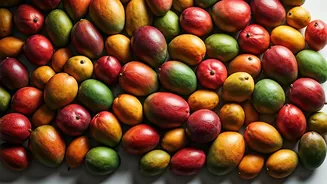
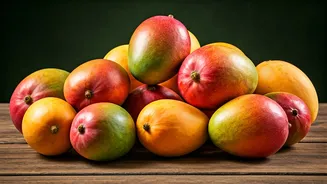
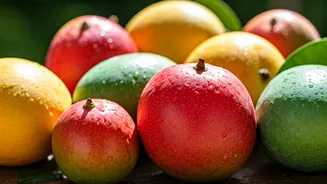
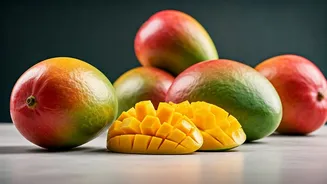
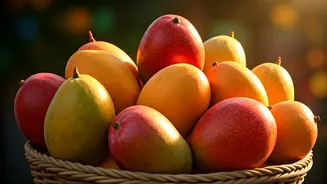
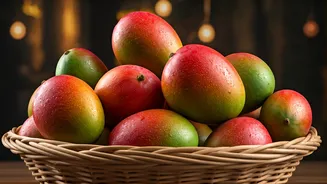
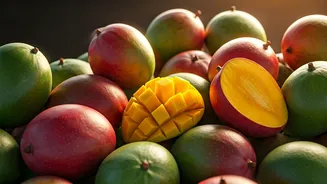
The centerpiece of the Mela is the mind-boggling display of mango varieties. Forget the one or two types you might see at your local grocery store. Here, you'll find hundreds. We’re talking over 500 different kinds of mangoes, each with its own unique name, shape, color, and flavor profile. There’s the world-famous Alphonso from Maharashtra, prized for its creamy, non-fibrous flesh and honeyed sweetness. There’s the Langra from Uttar Pradesh, with its slight tang and distinctly resinous aroma. You’ll find the fibreless, intensely sweet Dasheri and the late-season Chausa, known for its sunshine-yellow skin and incredible juiciness. Farmers arrange their prized fruits in towering pyramids, competing for awards in categories like “biggest mango.” For visitors, it's a chance to see, smell, and taste a spectrum of flavors they never knew existed, from notes of citrus and pineapple to hints of peach and coconut.
The Full Festival Experience
Beyond the breathtaking displays, the Mela is a full-blown sensory experience. The air hums with the energy of a true celebration. One of the main events is the mango-eating competition, where contestants race to devour as many mangoes as they can in a few minutes—a messy, hilarious, and wildly popular spectacle. Local chefs and home cooks hold demonstrations, showing how to incorporate mangoes into everything from savory curries to elaborate desserts. Stalls sell a dizzying array of value-added products: mango chutney, mango pickles (aachar), dried mango candy (aam papad), and fresh mango juice, kulfi (ice cream), and lassi (yogurt drink). Interspersed with the food are cultural programs featuring folk music and dance, adding another layer of tradition to the event. It’s a place where you can spend an entire day immersed in the culture of this single, beloved fruit.