




Understanding the “Rain Chaos”
That dramatic term in the forecast, “heavy rain,” isn’t just about getting a good soaking. For your plants, it can be a perfect storm of problems. The first threat is physical. The sheer weight of water clinging to dense foliage and large blooms can bend
stems to their breaking point. Add a bit of wind, and you have a recipe for snapped branches and flattened flower beds. But the more insidious threat comes after the wind dies down. Lingering moisture on crowded leaves creates a five-star resort for fungal and bacterial diseases like powdery mildew, black spot, and root rot. Without proper air circulation to dry things out, a simple rainstorm can trigger a full-blown disease outbreak that can plague your garden for weeks. A pre-rain trim isn't about making your garden look perfect; it's a defensive strategy to mitigate both of these risks.
Your Pre-Storm Triage List
Before you grab your shears and go wild, remember this is a strategic trim, not a major reshaping. Your goal is to lighten the load and improve airflow. Start with the three D’s: anything dead, damaged, or diseased. These branches are weak spots and potential entry points for pathogens, so they should always be the first to go. Next, look for density. Do you have perennials or shrubs with thick, tangled interiors? Thinning out a few branches from the center of plants like roses, hydrangeas, or even overgrown tomato plants will work wonders for air circulation. Finally, scan for top-heavy growth. Think of big, beautiful peony blooms, a tall stalk of delphinium, or leggy zinnias. Trimming off a few of the heaviest flower heads (perfect for a pre-storm bouquet) or reducing the height of floppy stems can prevent the entire plant from collapsing under the weight of the rain.
The Right Way to Make the Cut
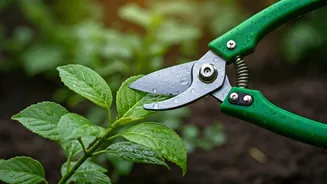
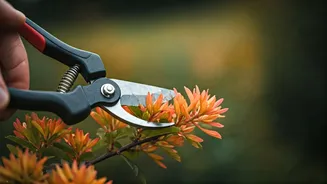
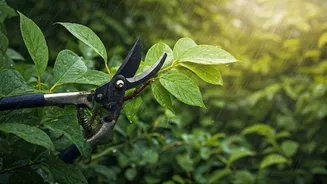
Technique matters. Using the right method ensures you’re helping your plants, not creating new problems. First and foremost, use clean, sharp tools. Wipe the blades of your pruners or shears with rubbing alcohol between plants, especially if you’re cutting away diseased material. This prevents you from accidentally playing doctor-turned-spreader, moving pathogens from one plant to another. When you remove a branch, cut it back to a main stem or just above a leaf node (the little bump where a leaf grows from). Try to make your cuts at a 45-degree angle. This allows water to run off the cut surface, rather than pooling on top of it, which could encourage rot. Be conservative. A good rule of thumb is to never remove more than one-third of the plant at any one time. This is a light trim, not a hard prune.
When to Keep Your Shears Holstered
Just as important as knowing when to trim is knowing when not to. The absolute worst time to prune is during the rain or immediately after, while the foliage is still wet. Cutting into wet plant tissue is like opening a wound in a contaminated environment; it’s the fastest way to spread waterborne diseases throughout your garden. If you miss your window and the storm arrives, just wait. Let the plants dry out completely for a day or two before you go in to assess and clean up any damage. Also, be mindful of the plant’s specific needs. Avoid major pruning on spring-flowering shrubs like lilacs or forsythia after they've set their buds, as you'll be cutting off next year's flowers. For those plants, stick to only removing clearly dead or broken branches. A pre-rain trim is a targeted intervention, not a one-size-fits-all haircut.