
The Sensory Magic of a Monsoon Snack
For hundreds of millions, the sound of heavy rain is inextricably linked to the sizzle of oil. The annual monsoon season across South Asia isn’t just a weather event; it’s a cultural one that dictates mood, movement, and, most importantly, appetite. The craving
is for something hot, savory, and audibly crunchy to contrast the pervasive dampness and gloom. Think of a steaming cup of masala chai paired with a plate of pakoras—crispy, deep-fried fritters of vegetables coated in a spiced chickpea flour batter. It’s a multi-sensory experience: the warmth of the tea, the spicy aroma, and the sharp, satisfying crackle of the fritter breaking apart. This isn’t just about hunger. It’s a ritual, a comfort, an antidote to the grey skies. The food is loud, and that’s the point. It’s a small, delicious rebellion against the quiet hum of the rain.
The Deep-Fried Dilemma
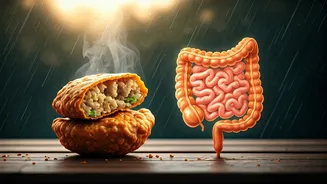
As beloved as they are, the traditional stars of the monsoon snack lineup—pakoras, samosas, kachoris, bhajis—share a common cooking method: deep frying. While undeniably delicious, relying solely on a vat of hot oil presents a few modern challenges. It can be messy, time-consuming, and leave you with that heavy, greasy feeling that sometimes eclipses the initial joy. In a world where we’re more conscious of our daily eating habits and often short on time, the traditional approach can feel like an indulgence reserved for rare occasions rather than a go-to comfort. This doesn't mean we abandon the tradition. It means the tradition is ripe for a smart, modern update that preserves the spirit of the snack while refining the execution. We don’t need to sacrifice the crunch; we just need to get smarter about how we create it.
The Air-Fryer Intervention
Enter the undisputed champion of the modern smarter crunch: the air fryer. This countertop convection oven is practically custom-built to solve the monsoon snack dilemma. It excels at creating a crisp, golden-brown exterior with a fraction of the oil. You can take your standard pakora batter, lightly spray the formed fritters with oil, and let the hot circulating air work its magic. The result is a lighter, less greasy, but still deeply satisfying bite. It’s also the perfect tool for reheating frozen samosas or spring rolls, restoring them to their original glory in minutes without turning them into a soggy mess. The cleanup is easier, the house doesn’t smell like a fry shack for days, and you can indulge that rainy-day craving with a little less guilt and a lot less effort.
Think Beyond the Fryer: Bake Your Bites
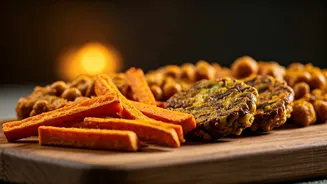
Your conventional oven is another powerful ally in the quest for a smarter crunch. Baking offers a low-and-slow or high-heat path to crispiness. Consider 'deconstructed' samosas: instead of wrapping filling in dough and frying, you can bake seasoned potato and pea filling in ramekins and top it with baked, shattered phyllo dough for texture. Vegetable 'pakoras' can be reimagined as well. Thinly slice vegetables like sweet potato, zucchini, and onions, toss them with chickpea flour, spices, and a touch of oil, and roast them on a sheet pan at high heat until they’re browned and crispy at the edges. Another fantastic option is roasted chickpeas—tossed in spices and baked until they rattle on the pan, they provide a crunchy, savory hit that’s perfect for snacking or sprinkling over a salad.
Rethink the Crunch Itself
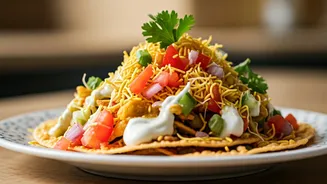
Perhaps the smartest move is to expand our definition of crunch. It doesn’t always have to come from a fryer or an oven. The world of Indian street food is full of textural genius. Take bhel puri, for example. This iconic snack is a masterclass in texture, mixing puffed rice and sev (crispy chickpea flour noodles) with soft potatoes, tangy tamarind chutney, and fresh cilantro. It’s an explosion of crunchy, soft, sweet, and savory all at once, with no deep frying required for assembly. You can create your own 'chaat' bowls by starting with a base of yogurt or potatoes and loading them up with crunchy toppings like roasted peanuts, pomegranate seeds, and toasted lentils. This approach delivers that all-important textural contrast while often being fresher, lighter, and more complex.