



The New Long Weekend
For generations, the typical vacation for a middle-class family in Kolkata, the cultural hub of Eastern India, involved predictable destinations: the Himalayan foothills of Darjeeling, the beaches of Puri, or perhaps a longer trip to another Indian state.
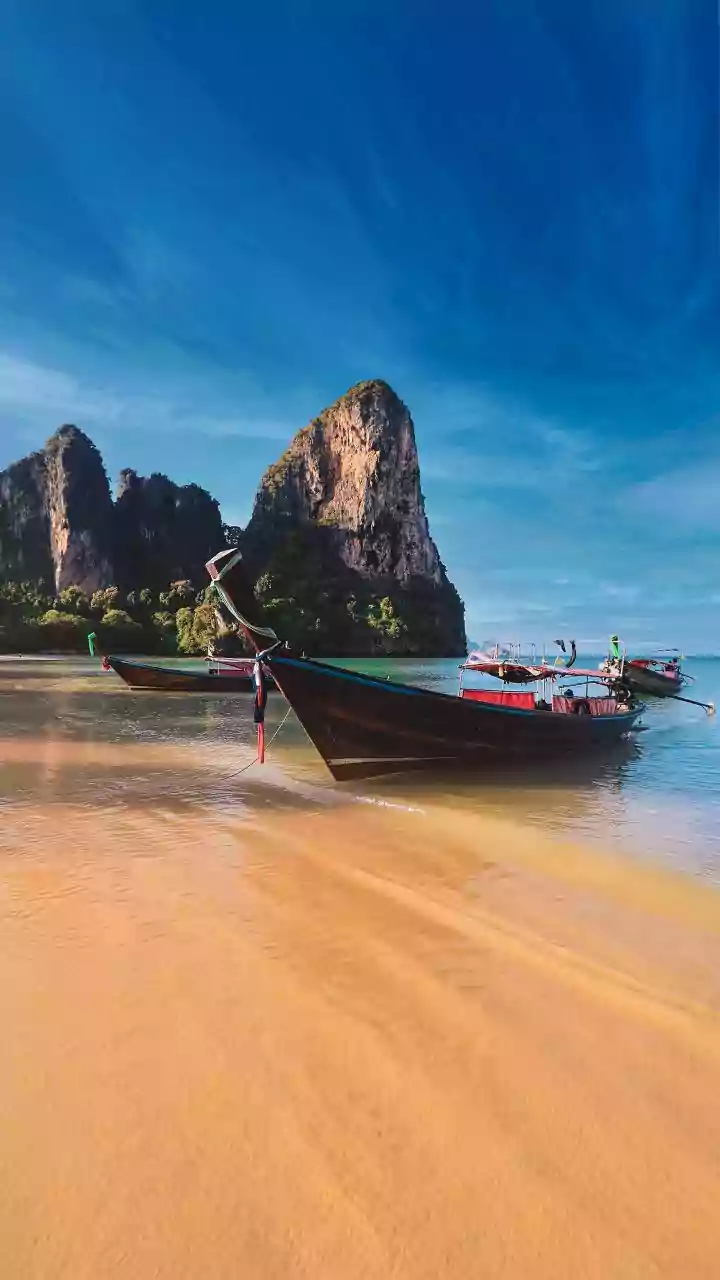
Today, that script is being rewritten. Young professionals, couples, and groups of friends are increasingly looking past India’s borders for their getaways. For them, a four-day weekend is no longer about exploring their own country; it’s an opportunity to fly to Bangkok, trek in Nepal, or wander through the streets of Hanoi. This isn't the backpacking trip of a lifetime; it's a frequent, accessible, and highly calculated indulgence.
An Engine of Aspiration
So, what’s fueling this travel boom? It’s a cocktail of economic and cultural shifts. Kolkata, like many Indian cities, is home to a growing class of young, salaried professionals with more disposable income and a different set of priorities than their parents. Many work in the IT and service sectors, often in dual-income households where experiences are valued over long-term savings for physical assets. Think of it as a mindset shift from saving for a decade for a house deposit to spending on a trip that offers immediate gratification and, just as importantly, a new profile picture. Social media has turned travel into a form of cultural currency, and an international trip, no matter how short, carries significant social cachet.
Geography Is Destiny
Kolkata’s location on India's eastern coast gives it a distinct advantage. For a traveler from Mumbai or Delhi, Southeast Asia is a significant haul. But from Kolkata, cities like Bangkok and Ho Chi Minh City are a relatively short flight away—often closer and cheaper to reach than destinations in southern or western India. The rise of budget airlines has been the single biggest catalyst. Carriers like IndiGo, SpiceJet, and AirAsia have flooded the market with direct, no-frills flights that can sometimes cost less than a premium domestic train ticket. A traveler in Kolkata can now realistically consider a weekend in Thailand for the same cost and travel time as a U.S. East Coaster might plan a trip to the Caribbean.
The Path of Least Resistance
The chosen destinations are rarely random; they are a masterclass in practicality. Countries like Thailand, Vietnam, Malaysia, and Indonesia are popular because they offer visa-on-arrival or simple e-visa processes for Indian passport holders, eliminating the bureaucratic red tape that often plagues international travel. Furthermore, the currency exchange is heavily in their favor. The Indian rupee goes a long way in these economies, allowing for a sense of luxury—better hotels, more elaborate meals, extensive shopping—that would be unattainable on a similar budget in Europe or even in tourist hotspots within India like Goa or Rajasthan. Neighboring countries like Bhutan and Nepal, accessible by road or short flights, also remain perennial favorites for their scenic beauty and hassle-free entry.
A Sign of the Times
This trend is more than just a footnote in a travel industry report. It’s a powerful indicator of how globalization is reshaping aspirations in cities far from the traditional centers of wealth. It shows a population that is increasingly confident, globally aware, and adept at finding value. These travelers are not just passive tourists; they are savvy consumers navigating flight deals, visa policies, and currency markets to maximize their experiences. They represent a new chapter in India's story, one where the world doesn't feel so far away, and a foreign getaway is no longer a once-in-a-lifetime dream but a regular part of life.