



The ‘Why’ Behind the Boom
This isn't just a post-pandemic rebound; it's a fundamental shift in how Americans are choosing to travel. The high cost and frequent hassles of air travel have made driveable destinations more appealing than ever. The Northeast, with its dense network
of historic cities, charming towns, and stunning landscapes, is perfectly positioned to capture this market. There's also a growing desire for trips that feel both enriching and relaxing. Instead of chasing a far-flung bucket list, many are rediscovering the appeal of their own backyard. This 'nearcation' trend values authenticity, quality, and connection—things the Northeast offers in spades, from the mountains of Vermont to the shores of the Chesapeake Bay. It’s a move away from the frantic, box-checking vacation and toward slower, more meaningful travel.
The Small-Town Renaissance
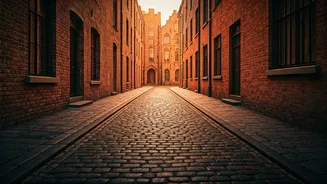
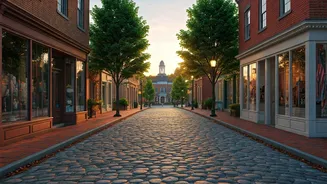
The heart of the Northeast's tourism boost may lie in its small towns. Places like Portsmouth, New Hampshire; Hudson, New York; and Lambertville, New Jersey, are thriving. They offer a compelling alternative to crowded urban centers, mixing historical charm with modern sophistication. Walkable downtowns are lined with independent boutiques, art galleries, and innovative restaurants that rival those in any major city. These towns have mastered the art of the weekend getaway, providing an escape that feels both accessible and completely transportive. Travelers are flocking to their farmers' markets, cozying up in boutique hotels converted from historic buildings, and enjoying a pace of life that feels like a genuine respite from the daily grind.
Urban Exploration, Reimagined
Even the region's big cities are getting a fresh look, but the focus has shifted. Travelers are venturing beyond the well-trodden paths of Times Square and the Freedom Trail to explore vibrant, living neighborhoods. In Philadelphia, it’s not just about the Liberty Bell anymore; it’s about the eclectic art scene and foodie destinations in Fishtown. In Boston, the Seaport District has transformed into a bustling hub of dining, tech, and waterfront parks. Secondary cities are also stepping into the spotlight. Providence, Rhode Island, with its creative energy fueled by local universities and its spectacular WaterFire art installation, has become a destination in its own right. This new urban tourism is about experiencing a city like a local, not just a visitor.
The Great Outdoors, Four Seasons Strong
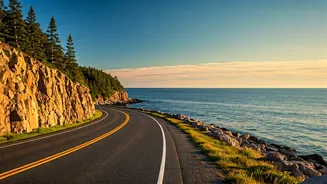
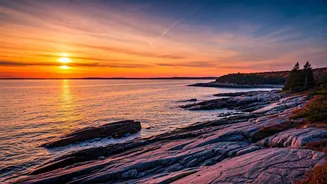
The pandemic-era rush to the outdoors wasn't a fad; it was the start of a lasting trend. The Northeast’s natural beauty is now a primary draw for visitors all year, not just during the famed fall foliage season. Summer brings hikers and kayakers to the Adirondacks in New York and Acadia National Park in Maine. Winter is no longer a deterrent but an attraction, with skiing in Vermont and cozy cabin stays in the Berkshires of Massachusetts. This four-season appeal has stabilized tourism economies and encouraged investment in outdoor recreation infrastructure. People are discovering that the same trails that are perfect for a colorful autumn hike are just as magical when covered in a blanket of snow or bursting with spring wildflowers.
A Taste of History and Culture
Finally, the region is leveraging its greatest asset: its deep connection to American history. But this isn't your stuffy eighth-grade field trip. Museums and historical sites have become more dynamic and engaging, using technology and storytelling to bring the past to life. From the maritime history of Mystic Seaport in Connecticut to the rich industrial heritage of cities like Baltimore, visitors are engaging with history in a more hands-on way. This cultural depth adds a layer of meaning to a trip, turning a simple vacation into an educational and enriching experience. It's the combination of beautiful scenery, great food, and a tangible link to the nation’s story that makes a trip to the Northeast feel so substantial.