


A Craving for Connection
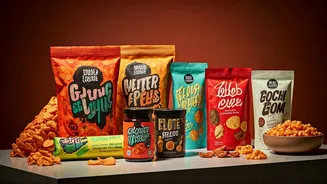
For decades, the American snack landscape has been dominated by a handful of mega-brands, their products engineered for mass appeal and infinite shelf life. But a quiet rebellion is underway. Consumers, particularly younger generations, are increasingly
seeking out products that feel real, rooted, and authentic. This shift, which already transformed industries like coffee and craft beer, has finally come for the snack drawer. It’s no longer enough for a snack to be salty or sweet; it needs to have a soul. This craving isn't just about taste—it's about connecting to a place, a history, and a sense of identity that feels lost in our hyper-globalized, algorithm-driven world. A bag of potato chips becomes more than just a snack when you learn it’s made with a century-old recipe from the Pennsylvania Dutch Country. Suddenly, you’re not just eating; you’re participating in a story.
The Power of a Hyper-Local Legend
Consider the whoopie pie. Is it a cookie or a cake? More importantly, is it from Maine or Pennsylvania? This friendly rivalry over the dessert’s origin is a perfect example of storytelling in action. In Maine, the story goes that Amish mothers would pack these chocolate cake sandwiches with fluffy frosting into their children's lunchboxes, and the kids would shout “Whoopie!” upon discovering them. Pennsylvania has its own claims, linking the treat to its German heritage. For decades, it was a fiercely local pleasure. Today, brands like Wicked Whoopies in Maine don't just sell a product; they sell their state's claim to a delicious piece of American folklore. The debate itself becomes a marketing tool, adding a layer of intrigue and regional pride that a generic cream-filled cake could never replicate. By buying a whoopie pie, you’re buying into the legend, taking a side in a good-natured culinary feud.
Old Brands, New Tricks
This trend isn’t just for small artisanal makers. Legacy brands are rediscovering the power of their own origin stories. For years, the MoonPie—a marshmallow-and-graham-cracker concoction born in Chattanooga, Tennessee, in 1917—was seen as a nostalgic, slightly fusty treat. Legend has it a traveling salesman asked a Kentucky coal miner what kind of snack he’d like, and the miner asked for something “as big as the moon.” Then, a few years ago, the brand found a new voice on social media, blending its old-timey identity with a surreal, witty online persona. The strategy was a smash hit. The company didn't change its recipe; it simply reminded people of its quirky, century-old story in a modern context. It proved that heritage isn’t a liability. When leveraged correctly, it’s a powerful differentiator that can cut through the noise and build a devoted following.
More Than Just Marketing
Successfully tapping into this trend requires more than just a folksy label. Authenticity has to be baked in. For salt water taffy, the story of its accidental invention on the Atlantic City boardwalk after a flood is key, but so is the traditional pulling process that visitors can still watch today. For Tennessee's Goo Goo Cluster, the world's first combination candy bar, its association with Nashville's music scene and the Grand Ole Opry provides a rich cultural backdrop. Successful brands are weaving their history into every aspect of their identity—from retro packaging and website design to sponsoring local events and partnering with regional historical societies. They are proving that in a world of fleeting trends, a good story, honestly told, is the most valuable ingredient of all. It’s a way of turning a simple purchase into a meaningful experience, transforming customers into fans and advocates.