


The Monsoon's Perfect Storm
To understand the risk, you first have to understand the monsoon. For months on end, regions in South and Southeast Asia experience a dramatic shift in weather, bringing torrential rains, soaring humidity, and consistently warm temperatures. While the relief
from scorching summer heat is welcome, this combination of moisture and warmth creates the perfect breeding ground for microscopic organisms. Bacteria, molds, and fungi thrive in these conditions, multiplying at an astonishing rate. It’s an environment where food that would normally be fine for a few hours can spoil much faster, turning from delicious to dangerous in a surprisingly short window.
Why Chutney Is So Vulnerable
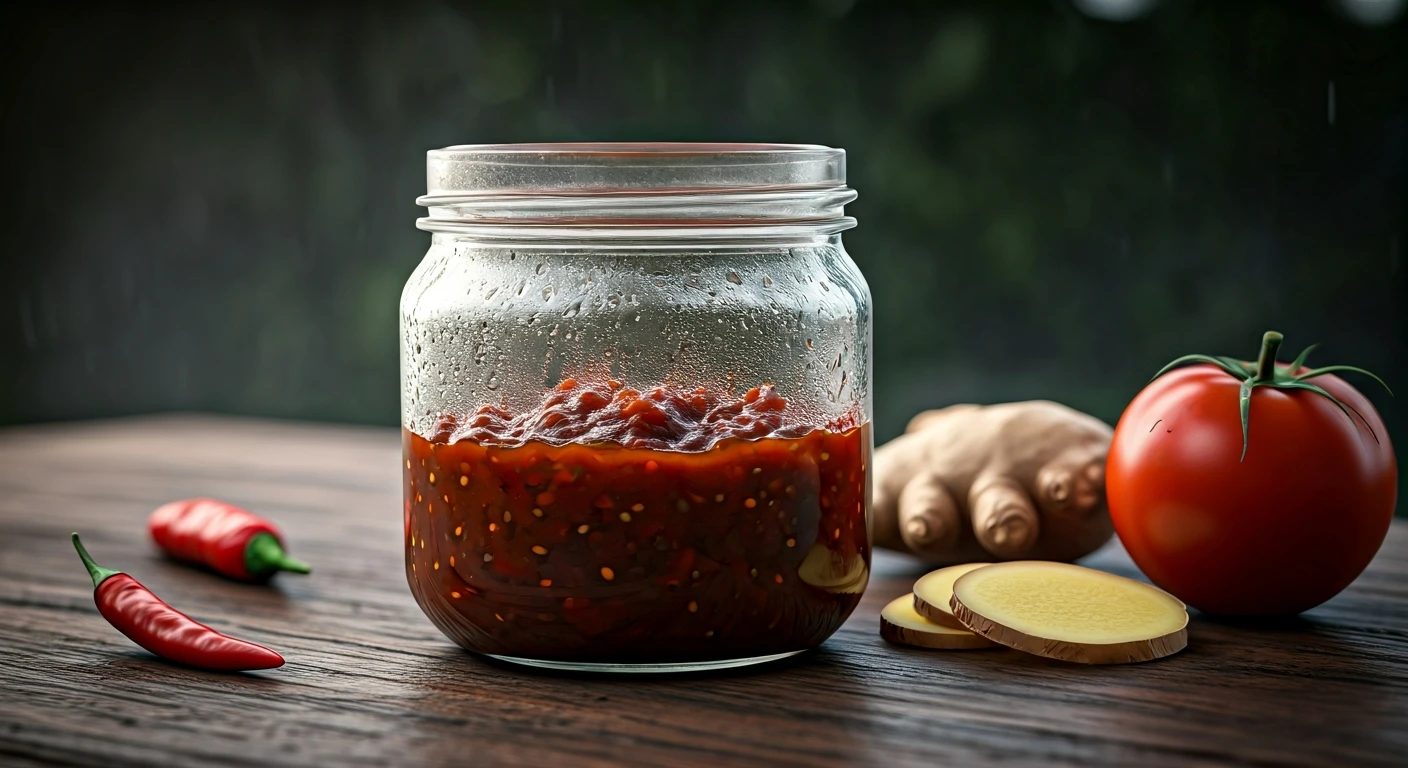
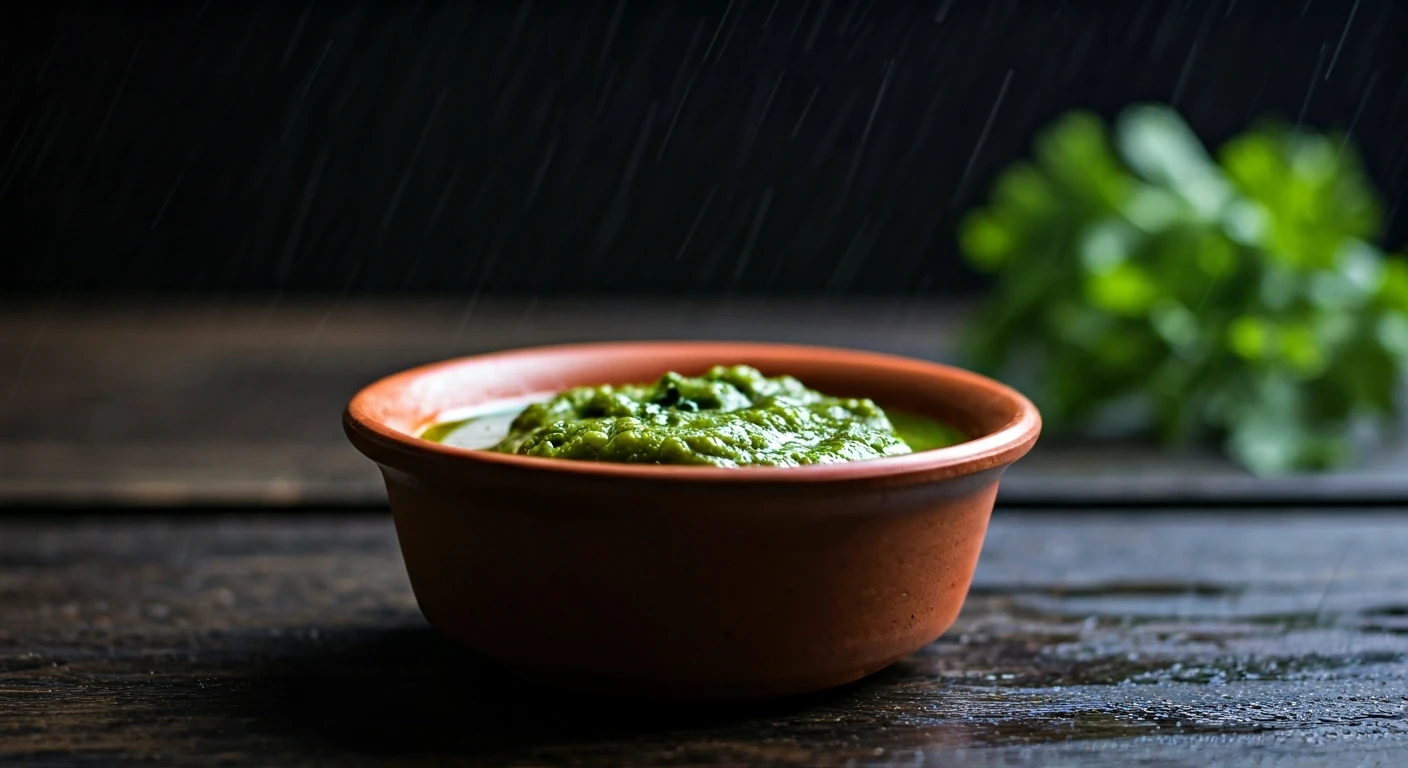
Chutney is particularly susceptible for a few key reasons. Most fresh chutneys, like the popular mint-coriander or coconut varieties, are made from raw, uncooked ingredients. They are ground into a paste with water, lemon juice, or yogurt, creating a nutrient-rich, high-moisture base that bacteria love. When left uncovered, this delicious condiment is exposed to two major threats. First, airborne microbes can easily land and begin to multiply. Second, it becomes a target for flies and other insects, which are notorious carriers of pathogens that can cause gastrointestinal illnesses like diarrhea, cholera, and typhoid fever. The very things that make chutney fresh and vibrant—raw herbs, high water content, and minimal processing—also make it a five-star hotel for unwanted microbial guests during the monsoon.
It's Not Just About Chutney
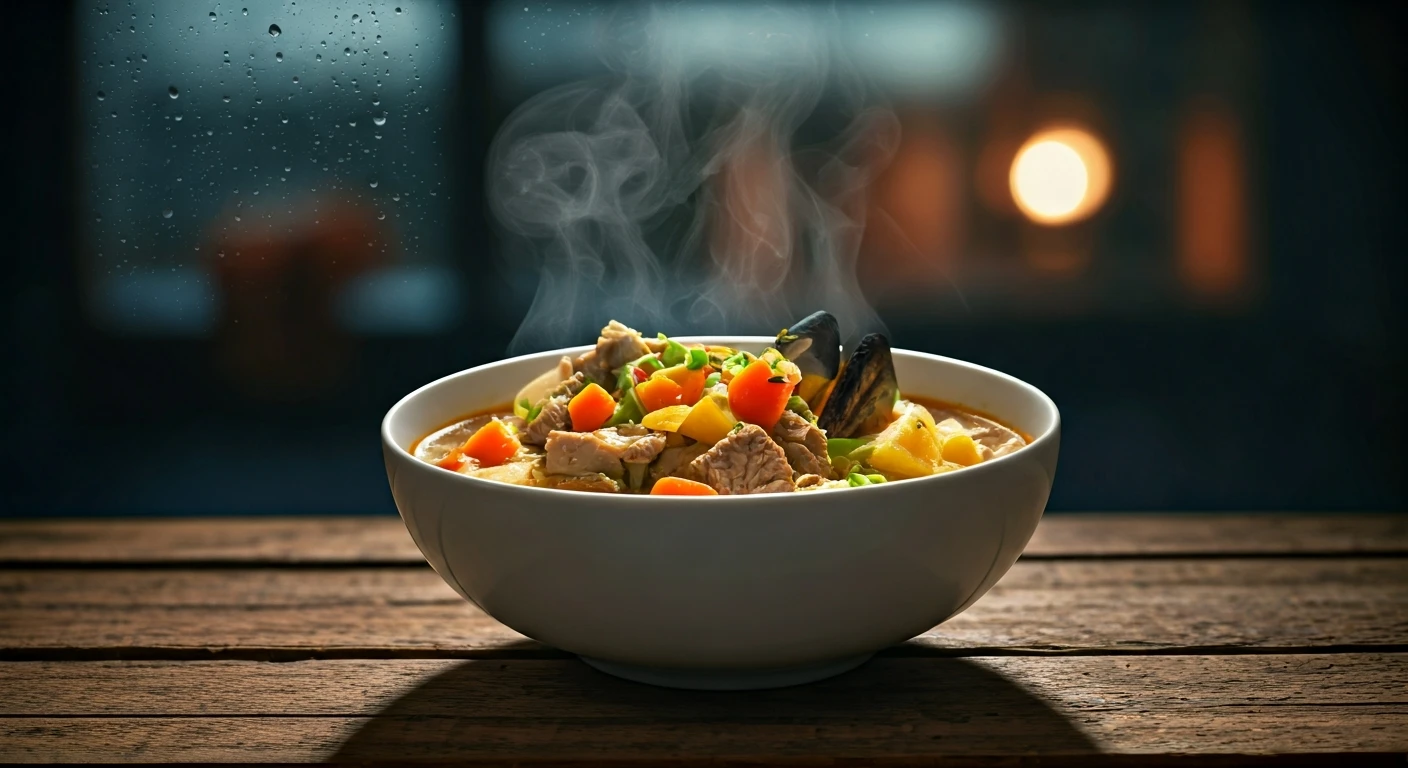
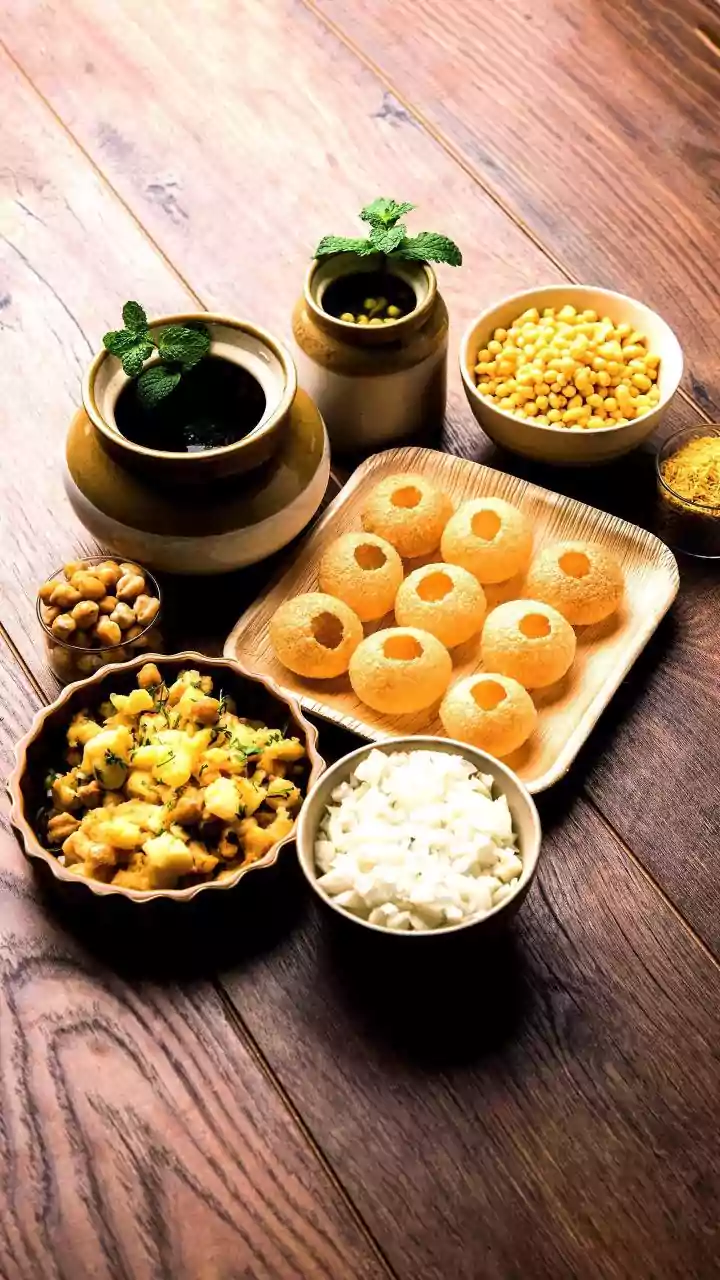
While chutney is a prime example, the risk extends to a wide range of other foods commonly enjoyed from street vendors or at casual eateries. Think about pre-cut fruit salads glistening with moisture, leafy greens for wraps that haven’t been properly stored, or any food served at room temperature from a large, open container. During the monsoon, the “danger zone”—the temperature range (40°F to 140°F) where bacteria grow most rapidly—is essentially the ambient air temperature. Anything left sitting in it for an extended period, especially foods with high moisture content, becomes a potential gamble. This is why many locals in monsoon-prone regions traditionally shift their diets, favoring hot, freshly cooked meals over raw or cold preparations during this season.
Your Monsoon Food Safety Guide
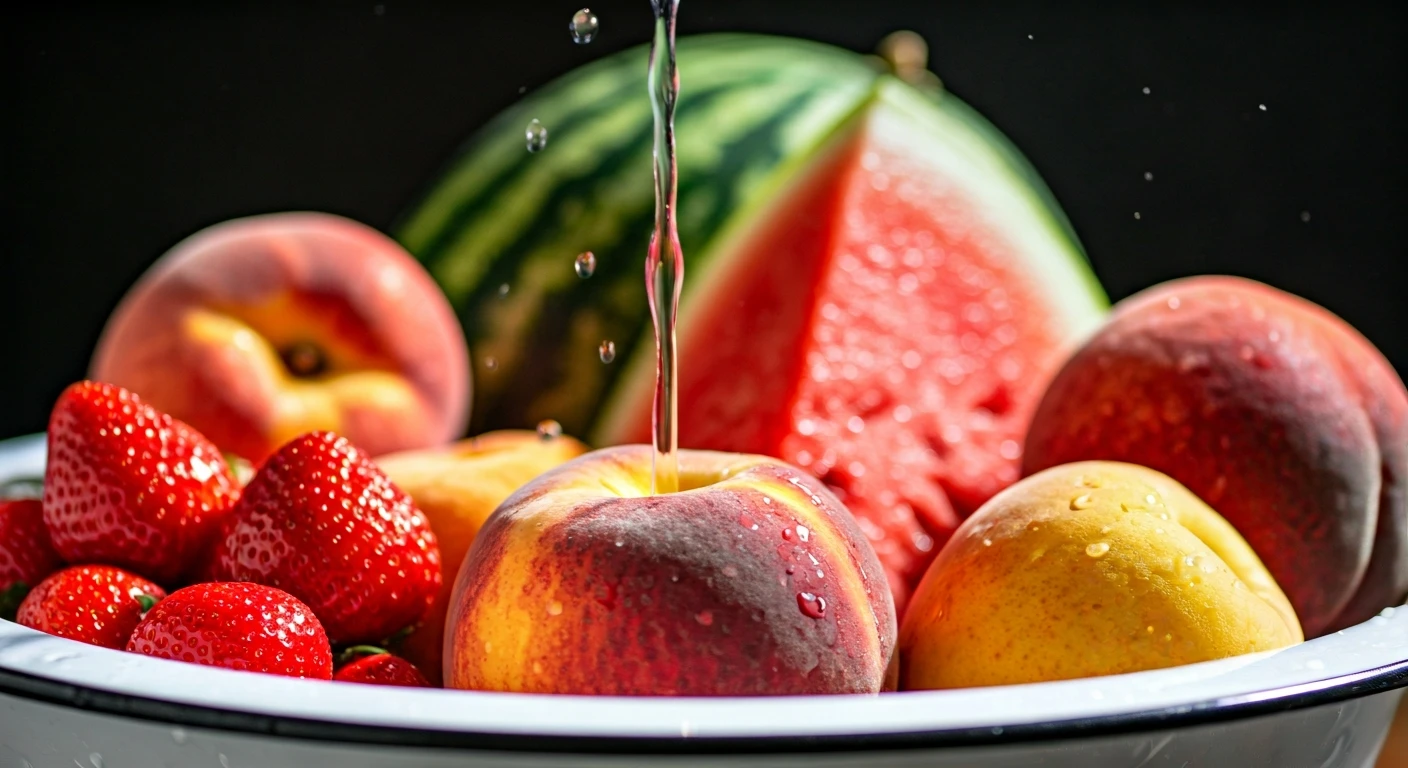
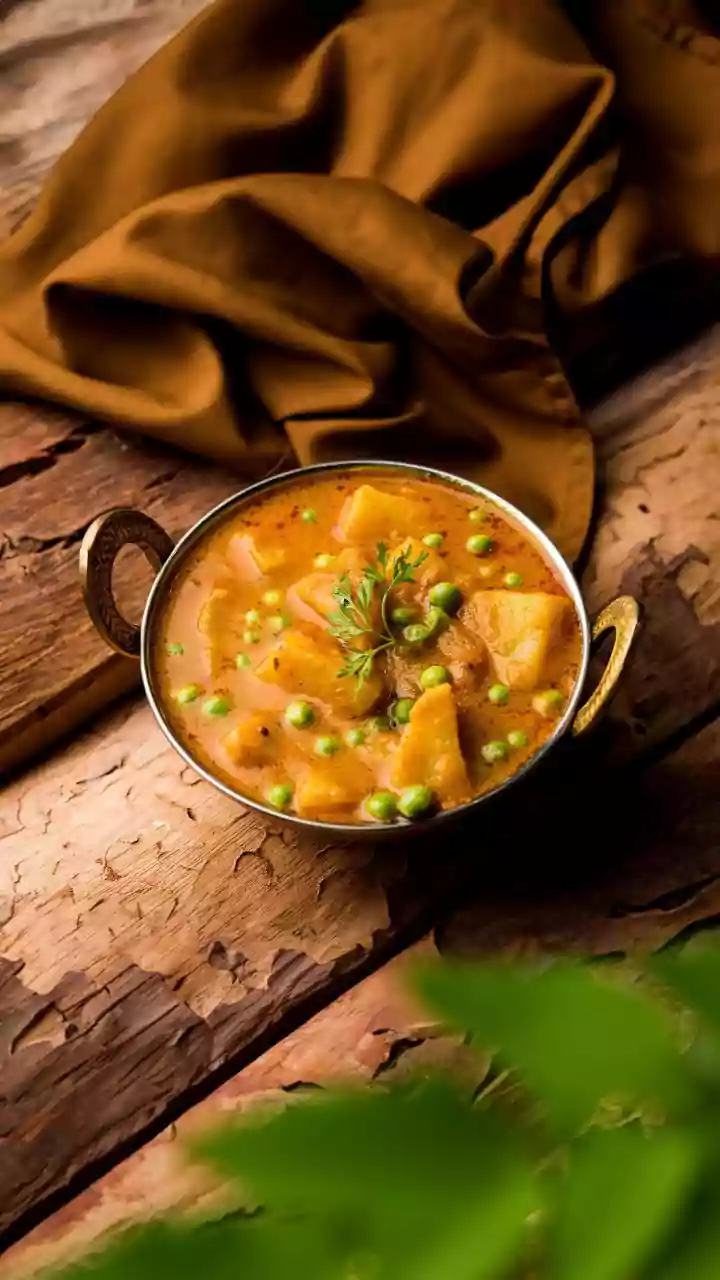
This doesn't mean you have to give up your favorite foods. It just means you need to be a little more vigilant. Whether you're traveling or just enjoying your local Indian restaurant, here’s how to stay safe: 1. **Opt for Hot and Fresh:** Always choose foods that are cooked to order and served piping hot. The heat is highly effective at killing off harmful bacteria. 2. **Look for Covered Containers:** If you're getting chutney or any other condiment, ensure it’s being dispensed from a clean, covered container. If it’s sitting in an open bowl on the counter, it's best to politely decline. 3. **Trust Your Senses (To a Point):** Avoid anything that looks like it's been sitting out for a while. Wilted herbs, discoloration, or a slightly 'off' smell are clear warning signs. However, many harmful bacteria don't alter a food's look, smell, or taste, so this isn't a foolproof method. 4. **At Home, Refrigerate Immediately:** If you make fresh chutney at home, store it in an airtight container in the refrigerator right away. Don’t let it sit on the counter. Try to make smaller batches you can consume within a day or two. 5. **Wash Thoroughly:** If you're making salads or using fresh herbs, wash them meticulously with clean, filtered water to remove any lingering contaminants.