


First, What Is Chaat?
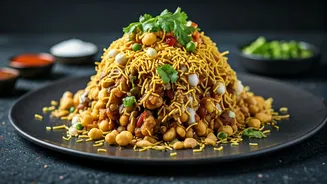
Before we dive into the metaphor, let’s talk about the real thing. Chaat isn't a single dish; it’s an entire category of savory, street-style snacks found across India. The word itself means “to lick,” and that’s the spirit of it: food so good you want
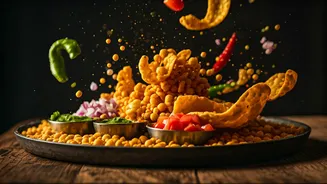
to lick the plate clean. Think of bhel puri with its crunchy puffed rice, tangy tamarind chutney, and fresh cilantro, or pani puri, where a crisp, hollow sphere is filled with spiced water, potatoes, and chickpeas, demanding to be eaten in one explosive bite. The common thread is a symphony of contrasting flavors and textures: sweet, sour, spicy, salty, crunchy, soft, and cool, all at once. It’s gloriously messy, intensely flavorful, and deeply satisfying—the opposite of a restrained, composed dish.
The Age of Aesthetic Perfection
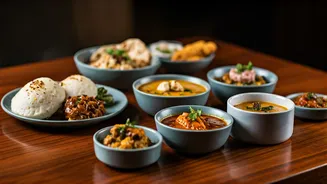
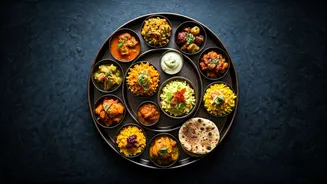
For years, the dominant style of food content, both in the U.S. and globally, was one of curated perfection. Remember the overhead shots on a marble countertop? The carefully placed sprig of parsley, the single, artful crumb? This aesthetic, heavily influenced by early Instagram, presented food as an aspirational object. Indian food content was no exception. We saw beautifully composed thalis (platters), perfectly round rotis, and bowls of dal with a flawless swirl of ghee. It was gorgeous, clean, and instructional. But for many, it didn't reflect the joyous, sometimes chaotic reality of how food is actually cooked, served, and eaten, especially comfort food.
Enter the 'Chaat' Content Wave
The new trend is a delicious rebellion against this polish. Instead of a single, perfect dish, creators are embracing the “full chaat” philosophy. This looks like videos of street vendors in Mumbai slathering butter on giant sandwiches, then piling on cheese, vegetables, and more cheese. It’s a home cook mashing up leftovers into a new, glorious concoction. It’s the “overloaded” trend, where a dosa is stuffed with noodles or a pizza is topped with butter chicken. Critics might call it stunt food, but its appeal is undeniable. These videos are sensory dynamite: the sizzle of the griddle, the aggressive chop of an onion, the dramatic cheese pull, the final, messy assembly. It’s less about a recipe and more about an experience—visceral, high-energy, and designed for maximum engagement on platforms like TikTok and Instagram Reels.
Why Authenticity Feels Messy
So, why the shift? It’s a perfect storm of cultural and algorithmic factors. Firstly, there’s a growing appetite for authenticity. After years of flawless feeds, audiences are craving content that feels more real and relatable. The messy, overloaded, “chaat” style of food feels more honest; it’s food made for pleasure, not just for a picture. Secondly, comfort is king. In a world that feels increasingly complex, the appeal of a gooey, cheesy, carb-loaded dish is universal. This content taps directly into that desire for uncomplicated indulgence. Finally, the algorithms on short-form video platforms reward high-stimulus content. A fast-paced video of a street vendor making a multi-layered sandwich is simply more eye-catching and shareable than a slow, methodical video of someone baking a perfect cake. It’s a content style perfectly engineered for the modern attention span.