




The Himalayan Rain Shadow Secret
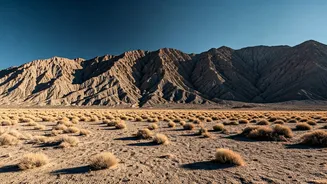
To understand why Spiti is a gift in June, you need to understand a bit of geography. While most of the Indian subcontinent is getting drenched by the summer monsoon, Spiti Valley remains strikingly dry. That’s because it’s a high-altitude cold desert
tucked away in a “rain shadow.” The towering Himalayan ranges to the south act as a massive wall, blocking the moisture-laden monsoon clouds from ever reaching this remote region. The result? While travelers in Shimla or Dharamshala are pulling out their umbrellas, you’re treated to deep blue skies and uninterrupted sun. It’s a geographical anomaly that creates a perfect, predictable window for exploration.
Prime Time for Mountain Passes
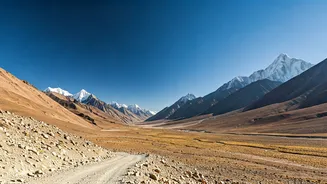
The dry weather isn't just about avoiding rain; it's about access. For much of the year, the most direct route into Spiti—the scenic highway from Manali over the Kunzum Pass (14,931 ft) and Rohtang Pass (13,058 ft)—is buried under dozens of feet of snow. June is typically the magic month when snow-clearing operations conclude and these legendary passes open for the season. This opening transforms the journey into a breathtaking adventure, with travelers navigating roads flanked by towering walls of snow under the warm sun. While the longer, all-weather route from Shimla is an option year-round, the Manali-Kaza highway is an iconic road trip, and June is when the starting gun fires.
Crystal-Clear Views and Stark Beauty
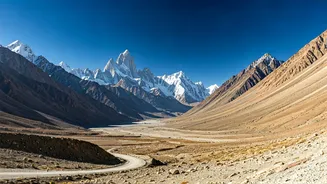
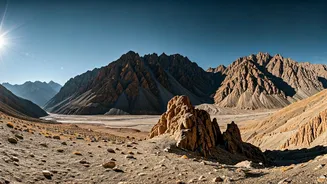
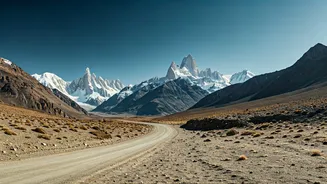
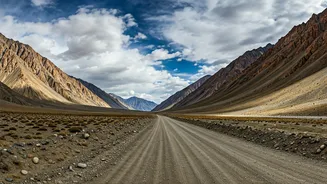
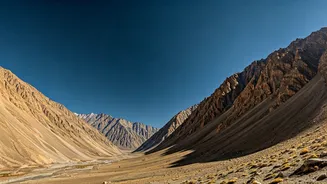
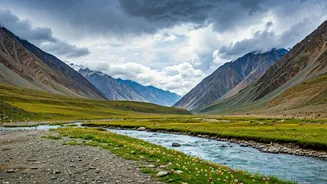
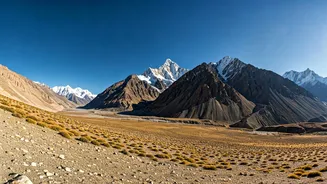
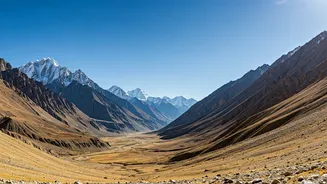
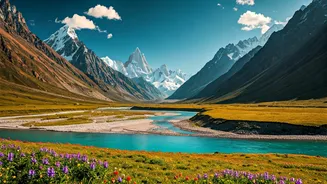
The lack of atmospheric moisture does more than keep you dry—it delivers spectacular visual clarity. The landscape of Spiti is often compared to Tibet or even the moon, with its barren, multi-hued mountains, deep gorges carved by the Spiti River, and ancient monasteries clinging to cliffsides. In June, this stark beauty is at its most photogenic. The sun casts sharp, dramatic shadows across the terrain, and the views of snow-capped peaks are crisp and unobscured by haze. At night, the dry air and lack of light pollution create an astronomical spectacle. The Milky Way isn’t just visible; it’s a brilliant, shimmering band across a sky filled with more stars than you’ve likely ever seen.
What to Do With Your Perfect Weather
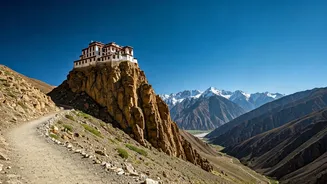
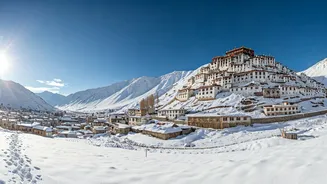
This ideal weather window opens up all of Spiti's main attractions. You can drive to Key Monastery, a stunning hilltop fortress-gompa that looks like something out of a fantasy epic. You can visit Tabo Monastery, a UNESCO World Heritage site known for its ancient murals and tranquil atmosphere. June is also the perfect time to explore the high-altitude villages that make Spiti famous. Send a postcard from the world’s highest post office in Hikkim, stand in awe at the giant Buddha statue overlooking the valley near Langza, and visit Komic, one of the highest villages in the world connected by a motorable road. The stable weather makes day hikes and exploring these remote hamlets a pure joy.
A Few Words of High-Altitude Wisdom
While the weather is a gift, it comes with its own set of rules. Spiti is high-altitude territory, with most of the valley sitting above 10,000 feet. The June sun is incredibly intense at this elevation, so sunscreen, a wide-brimmed hat, and quality sunglasses are non-negotiable. The air is thin, so acclimatization is crucial; plan to spend a couple of days at a lower altitude before ascending, and take it easy for your first day or two in Kaza, the region's main town. And while the days are sunny and pleasant, temperatures plummet as soon as the sun goes down. Packing warm layers, including a down jacket and a beanie, is essential for comfortable evenings.