

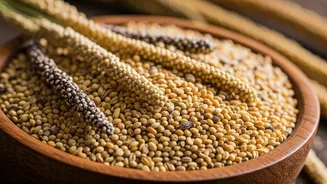
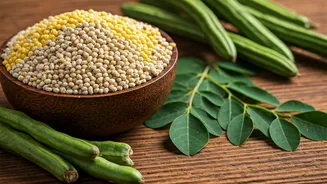
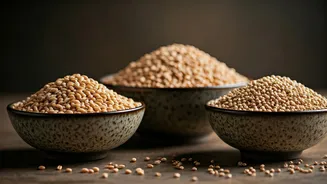


Wait, What Are Millets Anyway?
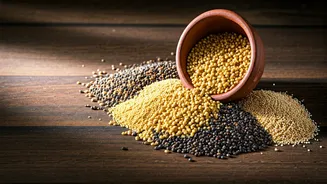
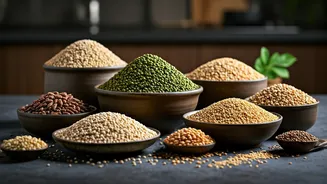
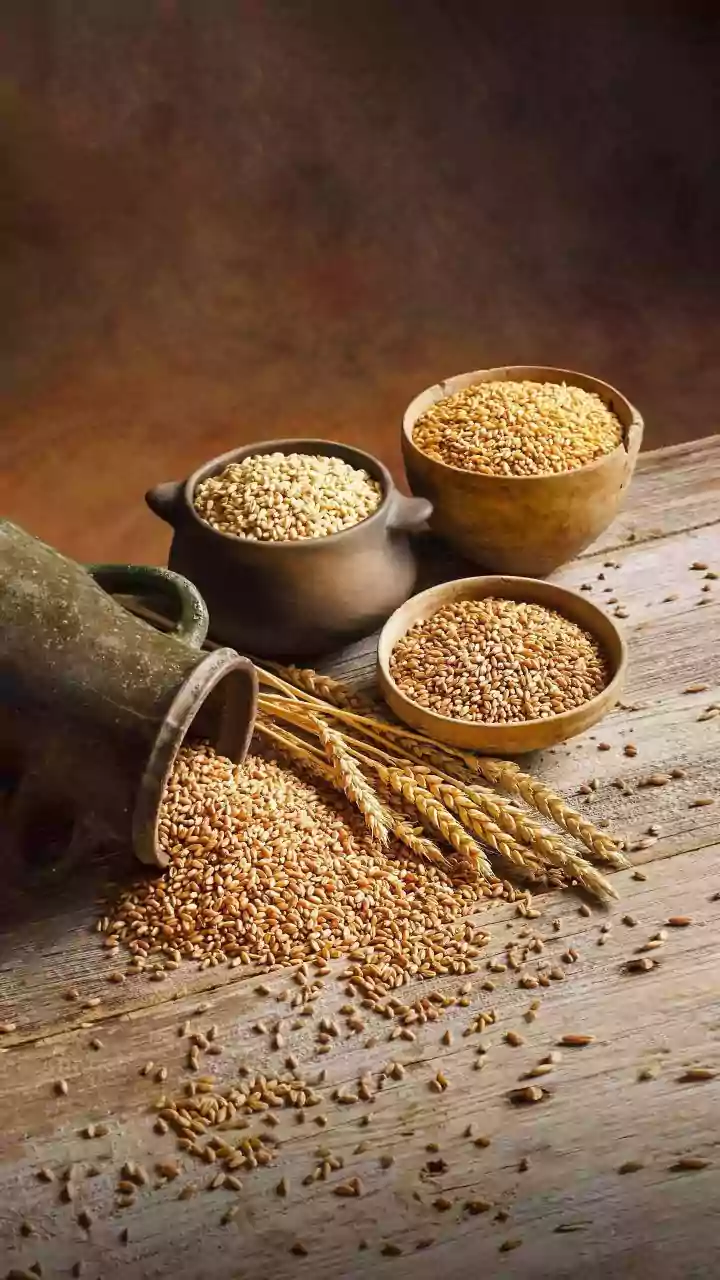
Before you picture bird seed—let's get that out of the way first—let's clarify. While some varieties are used in bird feed, the millets storming kitchens are a diverse group of small-seeded grasses that have been cultivated for over 7,000 years. Think
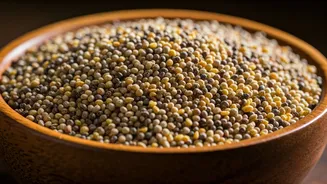
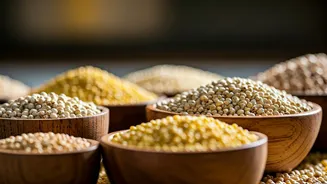
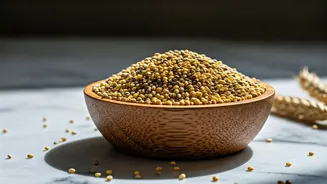
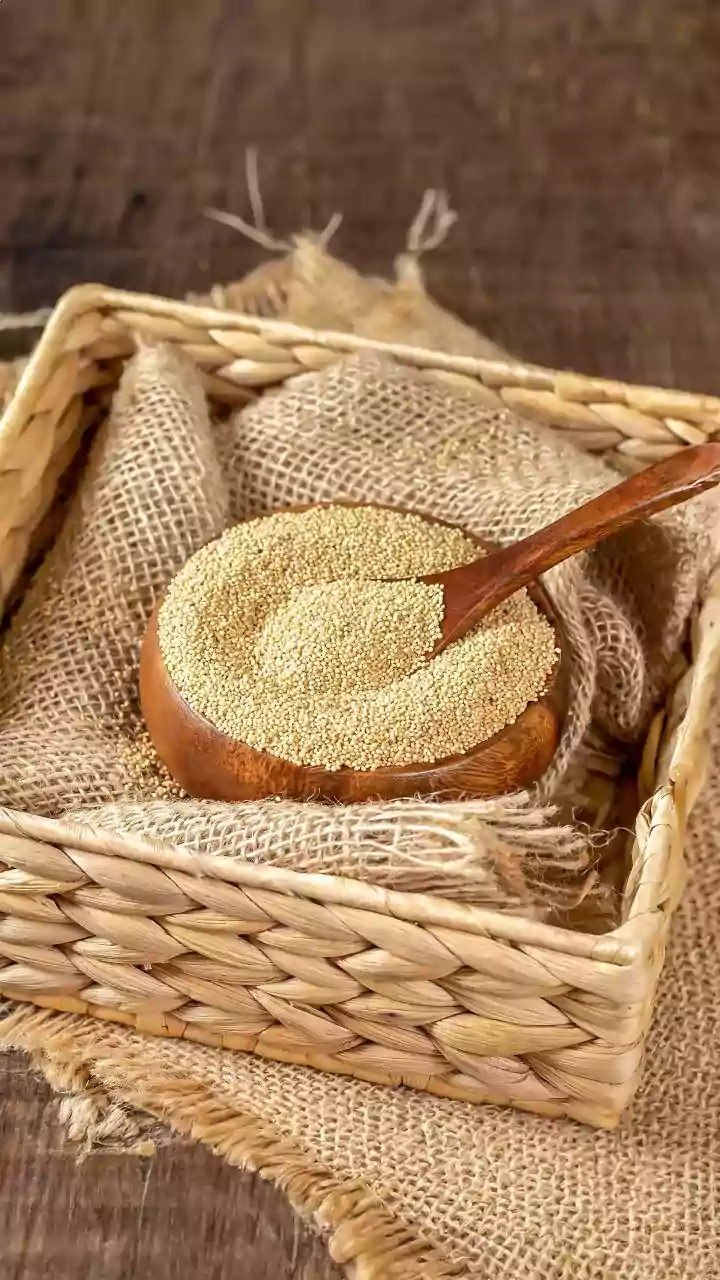
of millet not as one thing, but as a category, like squash. There are foxtail, pearl, and proso varieties, each with a slightly different texture and flavor. For most Americans, the millet you'll find at the store is proso millet, which cooks up into a light, fluffy grain with a mild, slightly nutty flavor, somewhere between quinoa and couscous. It’s been a staple food for centuries across Africa and Asia, but for many in the U.S., it’s a brand-new discovery.
The Ultimate Wellness Triple Threat
So, why the sudden buzz? Millets check a startling number of boxes on the modern wellness checklist. First, they are naturally gluten-free, making them an easy win for a growing population of people avoiding gluten for health or dietary reasons. Second, they boast an impressive nutritional profile. Millets are packed with fiber, protein, and essential minerals like magnesium and iron. Unlike refined grains that can cause a spike and crash in blood sugar, millets have a low glycemic index, providing steady, sustained energy. This makes them an ideal candidate for breakfast, setting you up for the day without the mid-morning slump associated with sugary cereals. In a world obsessed with nutrient density, millet delivers.
Good for You, Better for the Planet
Here’s where the story gets really compelling for younger, climate-conscious consumers. Millet isn’t just good for your body; it’s exceptionally good for the planet. It’s a famously hardy crop, often called a 'climate-smart' grain. It requires significantly less water than wheat, rice, or corn, and it can thrive in arid conditions and poor soil where other crops would fail. It’s drought-resistant and has a short growing season, making it a reliable food source in a changing climate. The United Nations even declared 2023 the International Year of Millets to promote its potential to combat food insecurity and support sustainable agriculture. For a generation raised on headlines about water shortages and environmental crises, choosing a grain with such a light footprint isn't just a dietary choice—it's a statement of values.
From Porridge to Puffs: The Versatility Factor
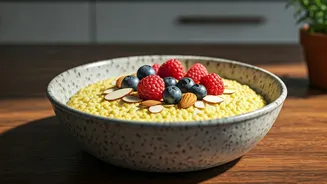
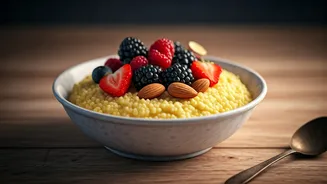
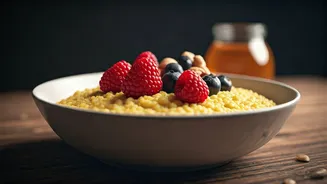
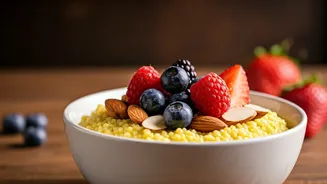
Health and sustainability are great, but food still needs to taste good and be easy to prepare. This is where millet truly starts to win people over. Its mild flavor makes it a culinary chameleon. You can cook it into a creamy porridge, topped with berries and nuts for a cozy breakfast. You can use it as a fluffy base for a savory grain bowl, just like rice or quinoa. It can be tossed into salads for extra texture, used to make veggie burgers, or even popped like corn for a light, crunchy snack. Food brands are catching on, too. You can now find millet in everything from bread and pasta to puffed cereals and granola, making it easier than ever to incorporate into your diet without a culinary degree.
So, Is It Really a 'Gen Z Obsession'?
Let’s be real: millet is probably not about to dethrone avocado toast on TikTok just yet. The term 'obsession' might be strong. But its rise aligns perfectly with the core tenets of Gen Z food culture: a focus on plant-based eating, a demand for sustainable and ethically sourced ingredients, a curiosity for global flavors, and a deep interest in functional foods that offer tangible health benefits. It's the antithesis of the highly processed, artificially flavored foods of previous generations. Millet’s comeback isn’t being driven by a massive marketing campaign, but by a quieter, more organic interest in food that feels both ancient and incredibly modern. It’s a grain that makes sense for the future we’re trying to build.