





An Oasis in the Kumaon Hills
For Americans, the concept of a 'hill station' might sound quaint, but in India, it’s a cultural institution. These towns, mostly established during the British Raj in the 19th century, were high-altitude refuges from the blistering summer heat of the lowlands.
Think of them as the Hamptons of colonial India, but with Himalayan backdrops instead of Atlantic beaches. Nainital, nestled in the Kumaon region of the Himalayas, is a perfect archetype. The town’s entire identity revolves around Naini Lake, a stunning, crescent-shaped body of water that local Hindu lore says was formed from a teardrop of the goddess Sati. When a British sugar merchant stumbled upon it in 1841, he was so captivated that he kick-started its development into a premier summer capital. The result is a unique blend of Indian mountain culture and lingering Victorian charm.
The Enduring Magic of the Lake
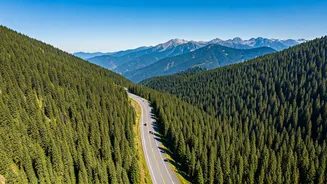
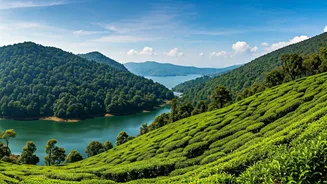
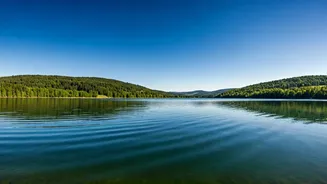
The headline isn't wrong: the lake views are what you come for, and they deliver every time. The experience is almost cinematic. The water, a deep emerald green, is constantly alive with brightly painted 'shikaras' (gondola-like boats) and rowboats, ferrying families and couples across its surface. The surrounding hills, dense with pine and deodar trees, slope steeply down to the water’s edge, their reflection shimmering on the calm surface. On a clear day, the colors are shockingly vibrant. What makes it 'work' year after year is the feeling it evokes. It’s a sensory reset. The air is cool and crisp, a welcome shock after the humidity of cities like Delhi. The gentle lapping of water against the retaining walls and the distant chatter of people enjoying themselves create a soundtrack of pure leisure. It’s a simple pleasure, unchanging and deeply satisfying.
Strolling Through a Bygone Era
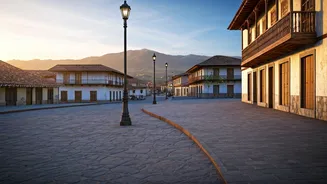
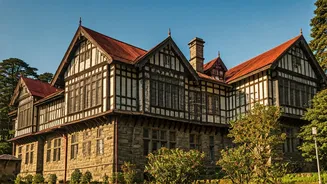
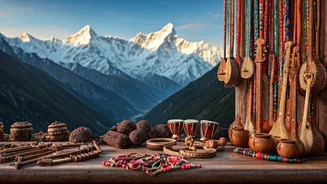
Life in Nainital orbits the lake along a bustling promenade known as The Mall Road. One side is lined with hotels, restaurants, and shops housed in buildings that echo a colonial past; the other side is open to the water. A slow walk along The Mall is a required ritual. You'll pass vendors selling roasted corn on the cob, families posing for pictures, and honeymooners soaking in the romantic atmosphere. At one end lies the 'Flats,' a large recreational ground that hosts cricket matches and local fairs, and at the other, the Naini Devi Temple, a sacred pilgrimage site. The town also has a Tibetan market, where you can haggle for hand-knitted sweaters and savory momos (dumplings), a reminder of the region’s cultural crossroads. This combination of the sacred, the commercial, and the leisurely is what gives Nainital its unique texture. It’s not a preserved-in-amber museum piece; it’s a living, breathing resort town that has adapted without losing its soul.
Beyond the Lakeside Promenade
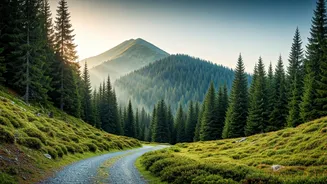
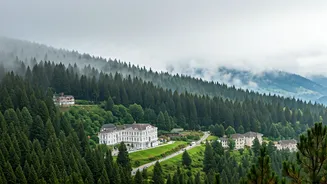
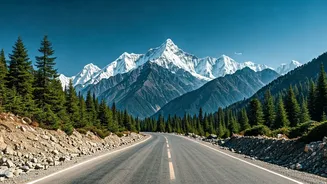
While the lake is the main attraction, its views are best appreciated from above. A short cable car ride, known as the Ropeway, whisks you up to Snow View Point. From here, the lake looks like a tiny jewel cradled by the town, and on a haze-free day, you’re rewarded with a staggering panorama of the high Himalayas, including the snow-capped peaks of Nanda Devi, India's second-highest mountain. For more active visitors, a hike or pony ride to Tiffin Top (also known as Dorothy's Seat) offers another breathtaking perspective of the landscape. These vantage points reinforce the town's primary appeal: it’s a place that makes you feel both connected to the lively social scene below and humbled by the immense, silent power of the mountains all around.