




The Rise of the Altitude Sanctuary
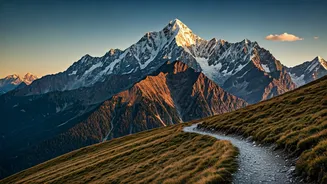
Forget the bustling infinity pools of tropical resorts. The new frontier of luxury travel is found thousands of feet above sea level, in places where the Wi-Fi is weak but the connection to nature is profound. These are 'altitude sanctuaries'—architecturally
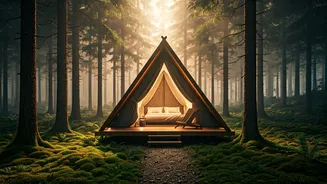
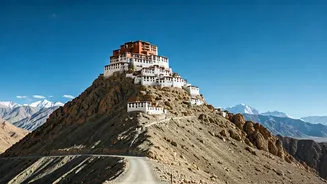
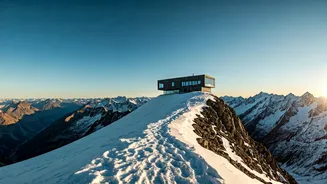
stunning lodges nestled in some of the world's most dramatic and remote mountain ranges, from the Patagonian Andes to the Himalayas. More than just hotels, they are curated experiences designed for a specific purpose: to offer a potent cocktail of adventure, wellness, and radical disconnection. Unlike traditional five-star properties that prioritize opulence and service, these sanctuaries emphasize minimalism, sustainability, and direct access to the raw, untamed wilderness at their doorstep. The luxury here isn't about gold taps; it’s about the silence, the stargazing, and the guided expedition to a glacier that starts right outside your door.
Redefining Adventure Travel
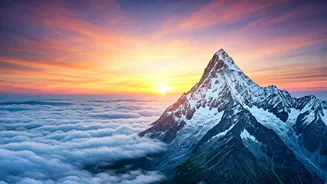
For decades, adventure travel meant roughing it: cramped tents, freeze-dried meals, and a certain grit required to push through the discomfort. The high-altitude sanctuary flips that script. It caters to a demographic that craves the thrill of summiting a peak or trekking across an ice field but wants to return to a hot meal, a world-class wine list, and a bed with a thread count that soothes aching muscles. These lodges are staffed with elite mountain guides who can lead a novice on their first-ever ice climb or challenge a seasoned mountaineer with a new route. The gear is top-of-the-line and often included. The experience democratizes extreme environments, making them accessible to travelers who have the financial resources and physical fitness but not necessarily the specialized skills or logistical know-how for a full-blown independent expedition. It’s adventure with a safety net and a sommelier.
The Ultimate Digital Detox
Perhaps the most compelling draw of these remote outposts is what they lack: constant connectivity. In a world of endless notifications and Zoom fatigue, the intentional scarcity of cell service is a core feature, not a bug. Guests don't come here to post live updates; they come to unplug entirely. This enforced digital detox allows for a mental reset that a typical vacation, with its temptation to check email by the pool, rarely achieves. The silence of a high-altitude landscape is an active presence, clearing away mental clutter and encouraging introspection. It’s a forced mindfulness that high-achieving, burnt-out professionals are increasingly willing to pay a premium for. The goal is to return not just rested, but fundamentally recalibrated.
Wellness in Thin Air
The wellness component extends beyond the digital detox. Many of these sanctuaries incorporate spas, yoga pavilions with panoramic mountain views, and menus designed by nutritionists to fuel adventurous days and promote recovery. There's also a unique psychological benefit to being physically elevated. The vastness of the landscape and the feeling of being 'above it all' can put personal and professional anxieties into perspective. While the physiological effects of altitude are a serious consideration requiring acclimatization, the environment itself becomes a therapeutic tool. It’s a form of wellness that is less about being pampered and more about being present, challenged, and awed by the scale of the natural world.