



A World Washed in Green
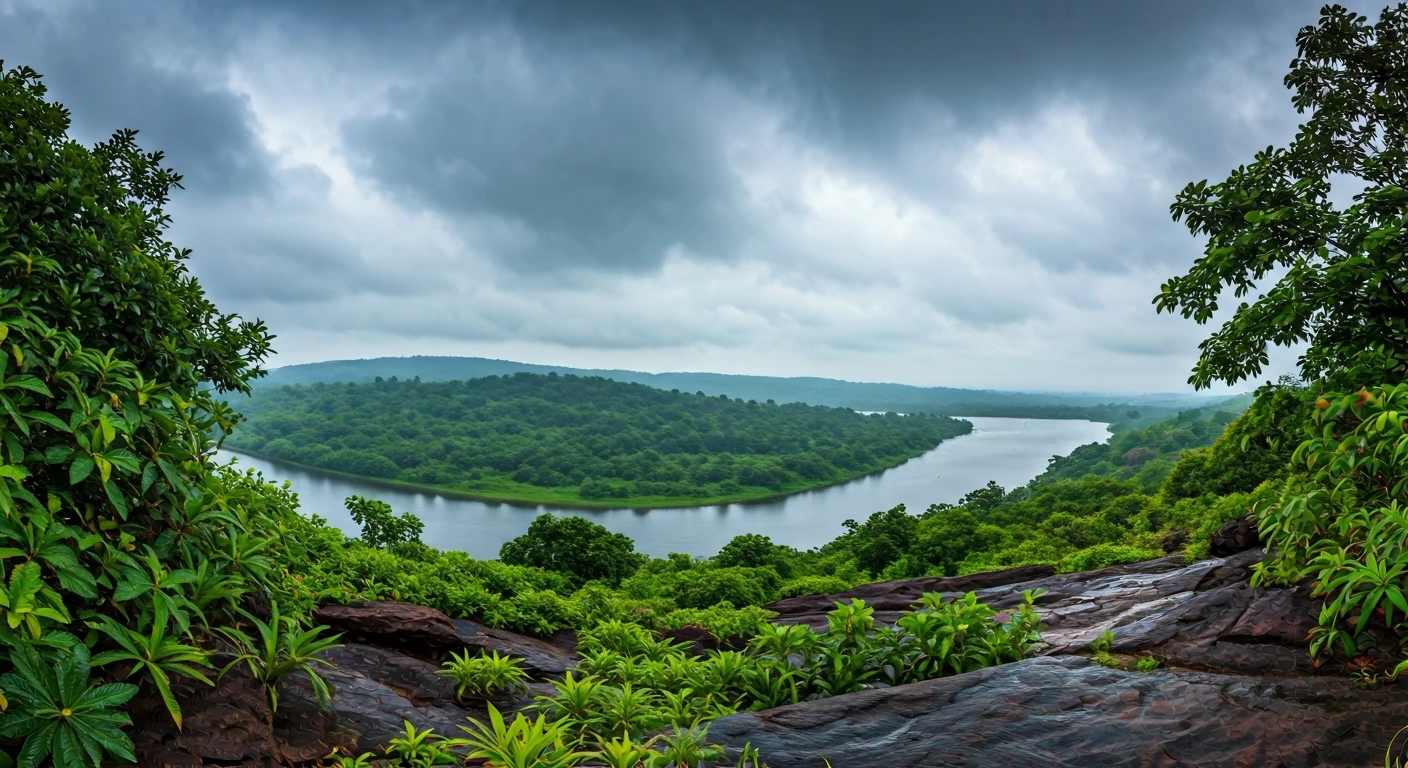
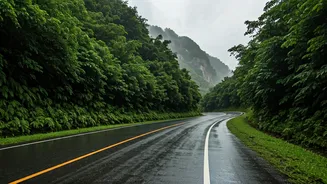
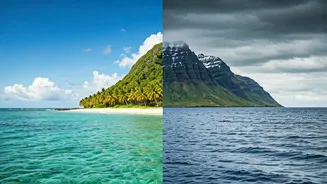
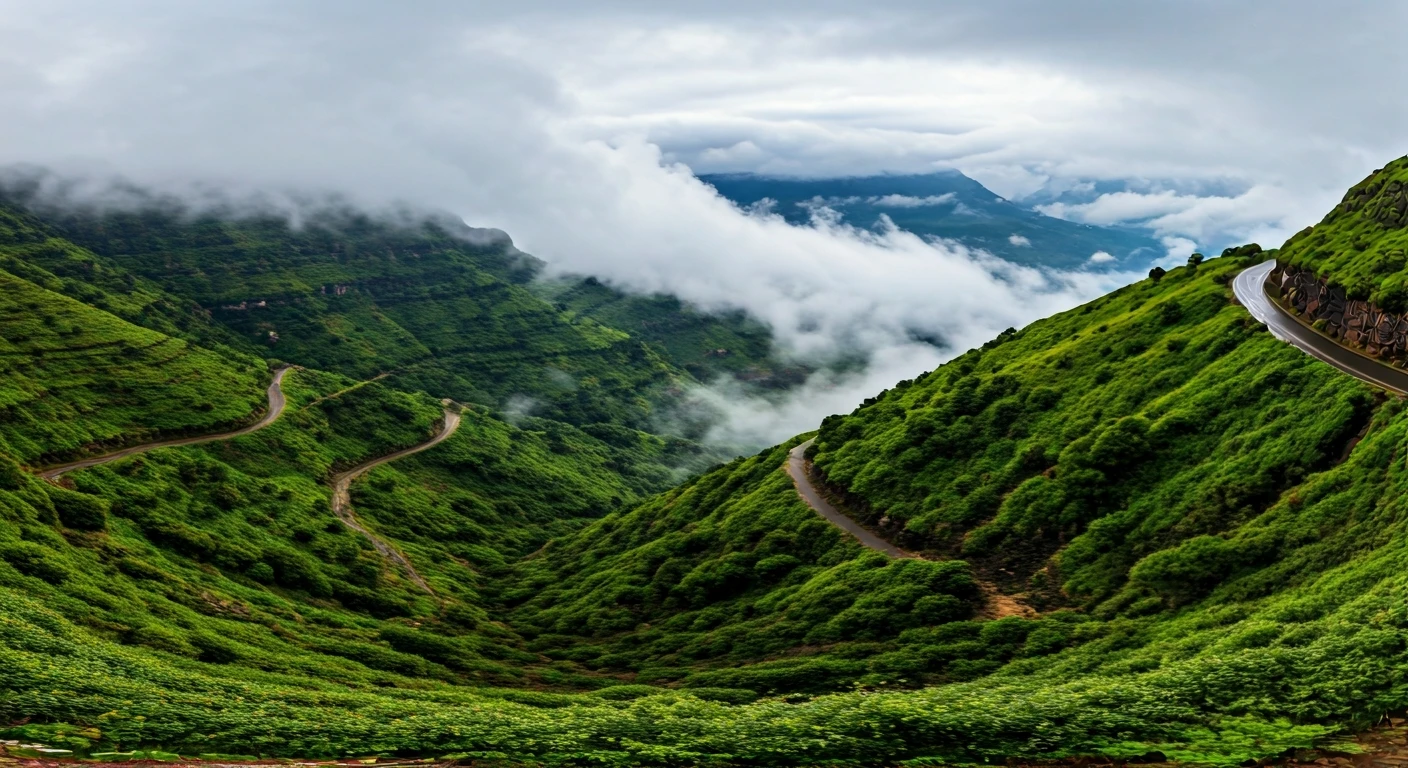
From June to September, the monsoon transforms Goa. The sun-baked, dusty landscapes of the peak season are replaced by an almost impossibly vibrant tapestry of green. The rain isn't a constant downpour but a dramatic series of showers that leaves the air
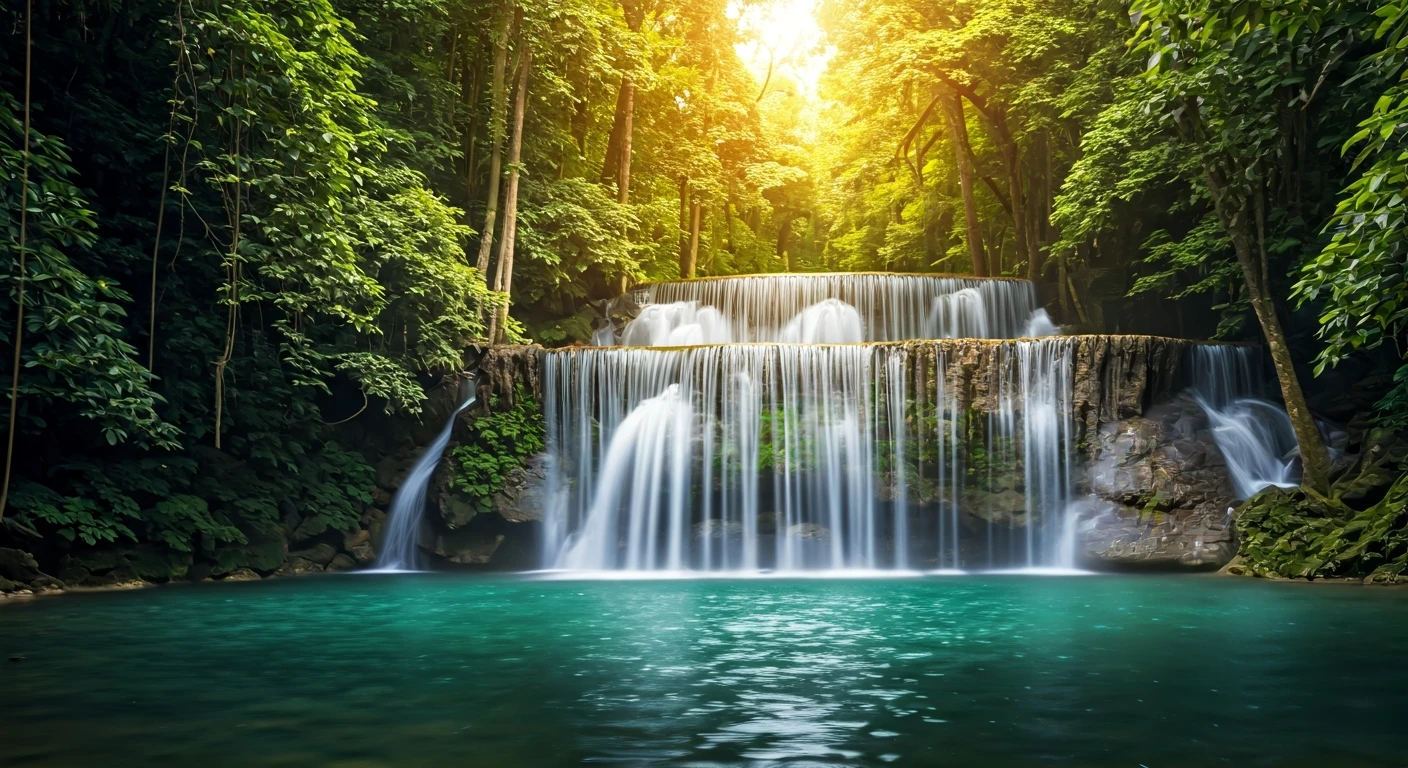
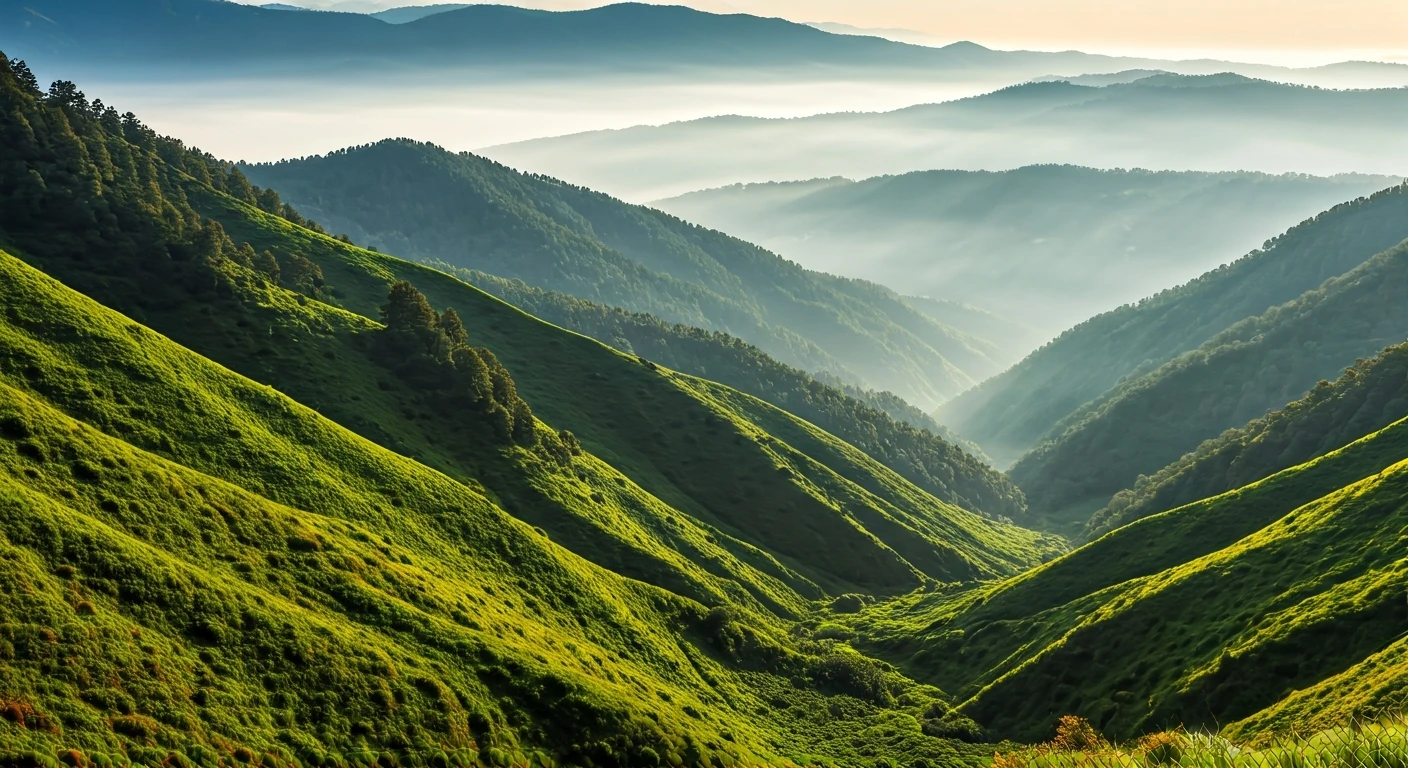
clean and the earth smelling of petrichor. This is when Goa's hinterland comes alive. Waterfalls like Dudhsagar, normally a trickle in the dry season, become thunderous spectacles. Rice paddies glow with a fluorescent green, and the winding roads through the Western Ghats are lined with lush, dripping foliage. It’s not the Goa of postcards; it’s the Goa of a nature documentary, raw and breathtakingly beautiful.
Your Wallet Will Thank You
Let’s be blunt: peak-season Goa is expensive. Flights are jacked up, luxury hotels charge a premium, and even scooter rentals can feel like a negotiation. Enter the off-season. Suddenly, round-trip flights from major U.S. hubs (via Mumbai or Delhi) become significantly more reasonable. Five-star resorts and boutique heritage hotels in Panjim or Assagao slash their rates by 50% or more. You can snag a pool villa for the price of a standard room in December. This isn’t just about saving money; it’s about accessing a level of comfort and luxury that might otherwise be out of reach, allowing you to experience the state’s famous hospitality without the peak-season price gouging.
The Beaches Are All Yours
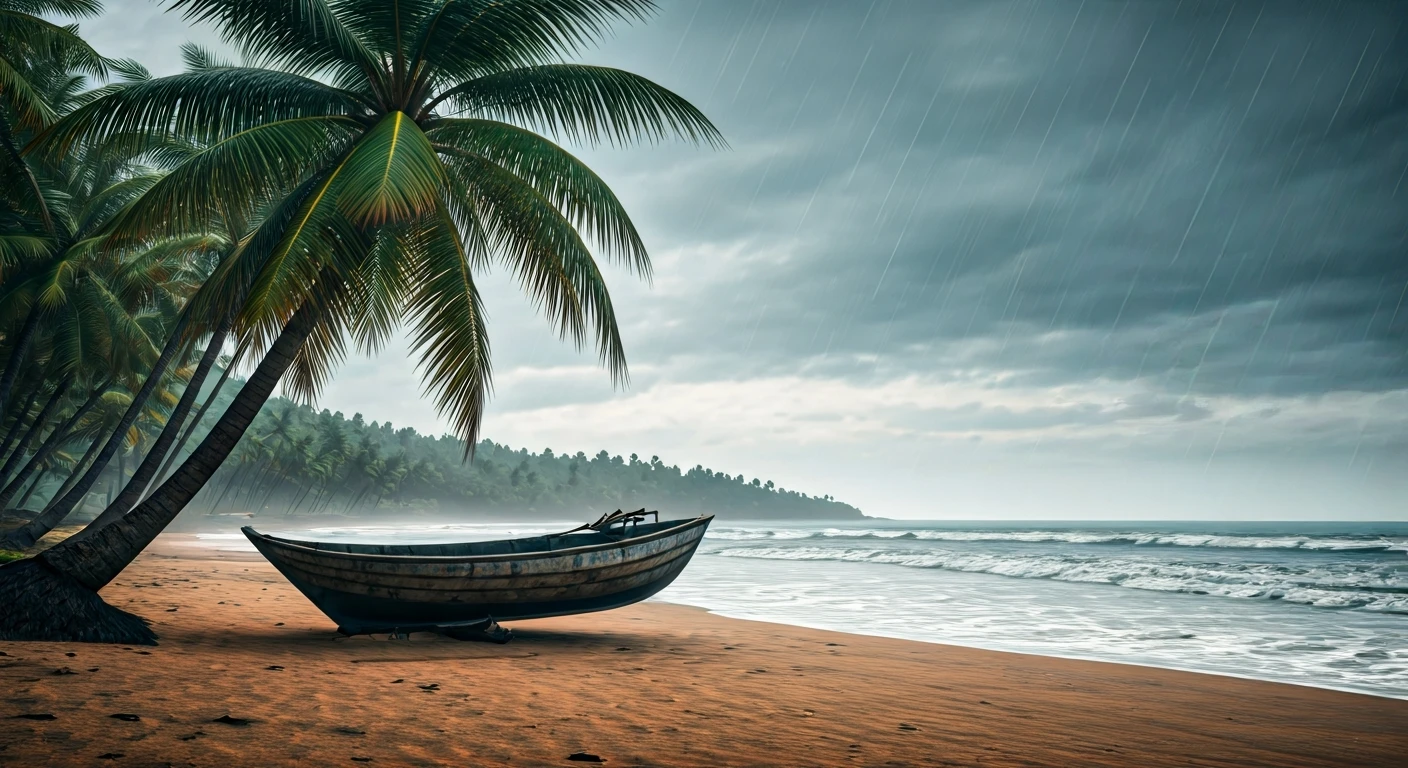
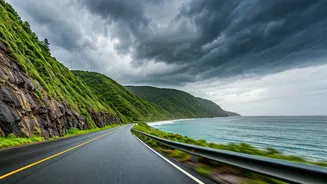
It’s true that most of the temporary beach shacks that line the coast from Anjuna to Palolem are dismantled during the monsoon. The Arabian Sea can be too rough for swimming. But if you think that’s a dealbreaker, you’re missing the point. For the first time, you can see the beaches for what they are: vast, dramatic, and utterly serene stretches of coastline. Imagine walking along an empty Morjim or Ashwem beach with only the sound of crashing waves and the sight of moody, cloud-filled skies. It’s a meditative, powerful experience—a stark contrast to the thumping bass and competing vendors of the high season. It’s the perfect backdrop for long walks, photography, or simply enjoying a moment of solitude.
A Truly Local Vibe
When the tourist wave recedes, Goa returns to itself. The focus shifts from catering to visitors to the rhythm of local life. You’ll find yourself eating at small, family-run restaurants that are open year-round, serving authentic Goan-Portuguese food that hasn't been toned down for foreign palates. The markets in Mapusa and Margao feel less like a tourist attraction and more like the bustling community hubs they are. You’ll see local festivals, like the Sao Joao festival in June where villagers jump into wells to celebrate, that are deeply rooted in culture, not commerce. This is your chance to see the real soul of the state, beyond the curated party scene.
The Joy of Slow Travel
The off-season forces you to slow down. With beach-hopping and parties off the table, you have the space to explore other facets of Goa. Take a tour of a fragrant spice plantation. Spend an afternoon wandering the colorful, colonial-era lanes of Fontainhas, Panjim’s Latin Quarter, without being jostled by crowds. Sign up for a Goan cooking class. Or hole up in a cozy cafe with a good book and watch the rain fall. It’s an invitation to connect with the place on a deeper level, trading a frantic checklist of activities for a more mindful and restorative style of travel.